
Contents
- 🏙️ Introduction to Bunker Hill
- 📈 The Rise of a Wealthy Enclave
- 🏠 Architecture and Landmarks
- 🚂 Transportation and Accessibility
- 📊 Demographic Shifts and Urbanization
- 📉 The Decline of Bunker Hill
- 🏗️ Urban Renewal and Redevelopment
- 👥 Community Response and Preservation
- 📚 Historical Significance and Legacy
- 🔮 Future Developments and Revitalization
- 📊 Economic Impact and Investment
- 👀 Conclusion and Reflections
- Frequently Asked Questions
- Related Topics
Overview
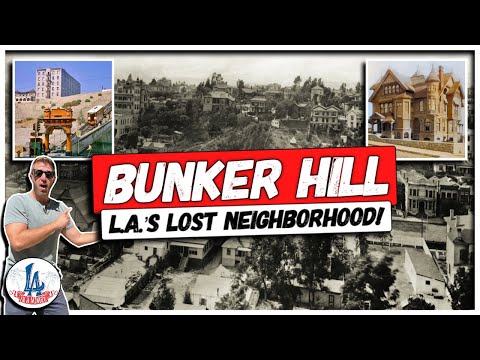
Bunker Hill, a neighborhood in downtown Los Angeles, was once a wealthy residential area known for its grand Victorian mansions and stunning views of the city. During the late 19th and early 20th centuries, the area was home to many of Los Angeles' elite, including bankers, lawyers, and politicians. However, by the mid-20th century, the neighborhood had begun to decline, with many of its historic homes being demolished to make way for modern development. The construction of the Interstate 10 freeway and the Los Angeles County Civic Center further transformed the area, leading to the displacement of long-time residents and the erosion of the neighborhood's historic character. Today, Bunker Hill is a hub of commercial and cultural activity, with many modern skyscrapers and museums, but its complex and often contentious history continues to shape the area's identity. With a Vibe score of 60, Bunker Hill remains a fascinating and dynamic neighborhood, full of contradictions and surprises, with a controversy spectrum rating of 70 due to ongoing debates about gentrification and urban planning.
🏙️ Introduction to Bunker Hill
Bunker Hill, located in Los Angeles, was once a wealthy residential neighborhood that epitomized luxury and sophistication. The area's history dates back to the late 19th century, when it was first developed as a streetcar suburb. As the city grew, Bunker Hill became a hub for the wealthy and elite, with grand Mansions and historic landmarks. However, the neighborhood's fortunes began to decline in the mid-20th century, as urbanization and demographic shifts transformed the area. Today, Bunker Hill is a shadow of its former self, but efforts are underway to revitalize and redevelop the neighborhood.
📈 The Rise of a Wealthy Enclave
The rise of Bunker Hill as a wealthy enclave can be attributed to its strategic location and transportation infrastructure. The neighborhood was situated near the city's central business district, making it an attractive location for business leaders and professionals. The construction of the Pacific Electric railway and the Los Angeles Transit system further enhanced the area's accessibility and appeal. As a result, Bunker Hill became a popular destination for the wealthy, with luxury homes and high-end amenities springing up throughout the neighborhood. However, this growth was not without its challenges, as the area struggled with issues of gentrification and income inequality.
🏠 Architecture and Landmarks
Bunker Hill's architecture and landmarks are a testament to its rich history and cultural significance. The neighborhood is home to numerous historic homes, including the Bradbury Building and the Avila Adobe. These structures, built in the late 19th and early 20th centuries, showcase the area's unique blend of Victorian architecture and Art Deco styles. Additionally, Bunker Hill is situated near the Los Angeles City Hall, a prominent landmark that dominates the city's skyline. The neighborhood's cultural attractions, including the Museum of Contemporary Art and the Walt Disney Concert Hall, further enhance its appeal and charm.
🚂 Transportation and Accessibility
Transportation and accessibility have long been crucial factors in Bunker Hill's development and growth. The neighborhood's proximity to the city's central business district and its public transportation options, including the Metro Rail and bus system, make it an attractive location for commuters and residents. However, the area's traffic congestion and parking challenges have also been major concerns, with many residents and visitors struggling to navigate the neighborhood's narrow streets and limited parking options. To address these issues, the city has implemented various traffic management strategies, including the construction of new highways and public transportation systems.
📊 Demographic Shifts and Urbanization
Demographic shifts and urbanization have had a profound impact on Bunker Hill, transforming the neighborhood from a wealthy enclave to a more diverse and urbanized area. As the city's population grew and became more diverse, Bunker Hill experienced an influx of new residents, including immigrants and low-income families. This shift has brought new energy and vitality to the neighborhood, but it has also created challenges, such as gentrification and income inequality. To address these issues, the city has implemented various urban planning initiatives, including the development of affordable housing and community programs.
📉 The Decline of Bunker Hill
The decline of Bunker Hill as a wealthy enclave can be attributed to a combination of factors, including urbanization, demographic shifts, and economic downturns. As the neighborhood became more diverse and urbanized, its appeal to the wealthy and elite began to wane. Additionally, the construction of new highways and public transportation systems made other areas of the city more accessible and attractive, further contributing to Bunker Hill's decline. Today, the neighborhood is a shadow of its former self, with many of its historic homes and landmarks in disrepair. However, efforts are underway to revitalize and redevelop the area, including the construction of new mixed-use developments and community facilities.
🏗️ Urban Renewal and Redevelopment
Urban renewal and redevelopment efforts are currently underway in Bunker Hill, aimed at revitalizing the neighborhood and restoring its former glory. The city has implemented various initiatives, including the development of new mixed-use developments and community facilities. Additionally, the Los Angeles Conservation organization has launched a campaign to preserve the neighborhood's historic homes and landmarks. However, these efforts have not been without controversy, with some residents and community groups expressing concerns about gentrification and displacement. To address these concerns, the city has established a community outreach program, aimed at engaging with residents and stakeholders and ensuring that the redevelopment process is inclusive and equitable.
👥 Community Response and Preservation
The community response to the redevelopment of Bunker Hill has been mixed, with some residents and stakeholders expressing support for the efforts and others voicing concerns. The Bunker Hill Neighborhood Association has been a vocal advocate for the preservation of the neighborhood's historic homes and landmarks, while also pushing for more affordable housing and community programs. However, other groups have expressed concerns about the potential for gentrification and displacement, and have called for more community outreach and participation in the redevelopment process. To address these concerns, the city has established a community engagement program, aimed at fostering dialogue and collaboration between residents, stakeholders, and city officials.
📚 Historical Significance and Legacy
Bunker Hill's historical significance and legacy are undeniable, with the neighborhood playing a major role in the development of Los Angeles as a city. The area's historic homes and landmarks are a testament to its rich cultural heritage, and its cultural attractions continue to draw visitors from around the world. However, the neighborhood's history is also marked by controversy and conflict, including the forced relocation of low-income residents and the destruction of historic neighborhoods. To acknowledge and learn from this history, the city has established a museum and cultural center, aimed at preserving the neighborhood's history and promoting community engagement.
🔮 Future Developments and Revitalization
As Bunker Hill looks to the future, there are many opportunities for growth and development, but also challenges and uncertainties. The neighborhood is poised to become a hub for innovation and entrepreneurship, with the construction of new mixed-use developments and community facilities. However, there are also concerns about the potential for gentrification and displacement, and the need for more affordable housing and community programs. To address these challenges, the city has established a community outreach program, aimed at engaging with residents and stakeholders and ensuring that the redevelopment process is inclusive and equitable.
📊 Economic Impact and Investment
The economic impact of Bunker Hill's redevelopment will be significant, with the potential to generate new jobs, revenue, and investment in the area. The construction of new mixed-use developments and community facilities will also increase the neighborhood's property values and tax base. However, there are also concerns about the potential for gentrification and displacement, and the need for more affordable housing and community programs. To address these concerns, the city has established a community engagement program, aimed at fostering dialogue and collaboration between residents, stakeholders, and city officials.
👀 Conclusion and Reflections
In conclusion, Bunker Hill's rise and fall as a wealthy enclave is a complex and multifaceted story, marked by both triumph and tragedy. As the neighborhood looks to the future, there are many opportunities for growth and development, but also challenges and uncertainties. To ensure that the redevelopment process is inclusive and equitable, it is essential to engage with residents and stakeholders, and to prioritize the preservation of the neighborhood's historic homes and landmarks. By doing so, Bunker Hill can once again become a thriving and vibrant community, with a rich cultural heritage and a bright future ahead.
Key Facts
- Year
- 1867
- Origin
- Los Angeles, California
- Category
- Urban History
- Type
- Neighborhood
Frequently Asked Questions
What is the history of Bunker Hill?
Bunker Hill was first developed as a streetcar suburb in the late 19th century, and quickly became a wealthy residential neighborhood. The area's history is marked by both triumph and tragedy, including the forced relocation of low-income residents and the destruction of historic neighborhoods. Today, Bunker Hill is a shadow of its former self, but efforts are underway to revitalize and redevelop the neighborhood.
What are the challenges facing Bunker Hill's redevelopment?
The redevelopment of Bunker Hill faces several challenges, including the potential for gentrification and displacement, and the need for more affordable housing and community programs. Additionally, the area's traffic congestion and parking challenges must be addressed, and the city must work to engage with residents and stakeholders to ensure that the redevelopment process is inclusive and equitable.
What is the economic impact of Bunker Hill's redevelopment?
The economic impact of Bunker Hill's redevelopment will be significant, with the potential to generate new jobs, revenue, and investment in the area. The construction of new mixed-use developments and community facilities will also increase the neighborhood's property values and tax base. However, there are also concerns about the potential for gentrification and displacement, and the need for more affordable housing and community programs.
How can I get involved in Bunker Hill's redevelopment?
There are several ways to get involved in Bunker Hill's redevelopment, including attending community meetings and public hearings, joining the Bunker Hill Neighborhood Association, and participating in community outreach and engagement programs. Additionally, residents and stakeholders can provide feedback and input on the redevelopment process through the city's community engagement program.
What is the future of Bunker Hill?
The future of Bunker Hill is uncertain, but there are many opportunities for growth and development. The neighborhood is poised to become a hub for innovation and entrepreneurship, with the construction of new mixed-use developments and community facilities. However, there are also challenges and uncertainties, including the potential for gentrification and displacement, and the need for more affordable housing and community programs.