
Contents
Overview
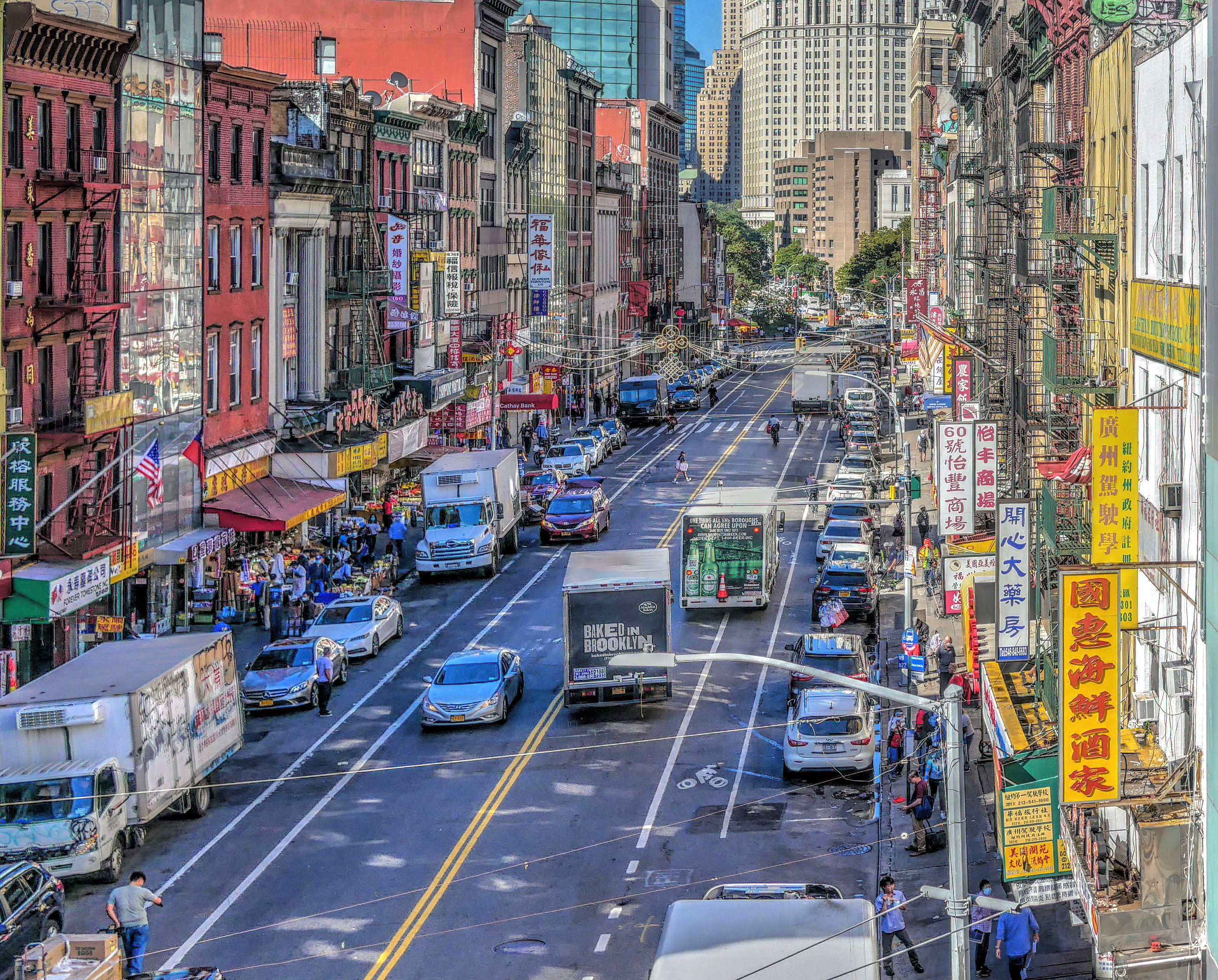
Chinatowns are ethnic enclaves of Chinese people located outside of Mainland China, Hong Kong, Macau, and Taiwan, typically situated in urban areas. The first Chinatowns were established in Southeast Asia, particularly in present-day Indonesia, Malaysia, and the Philippines. Today, Chinatowns continue to thrive, with many serving as cultural and economic hubs for Chinese communities around the world. The history and significance of Chinatowns are a testament to the enduring legacy of Chinese culture and the importance of preserving cultural heritage.
🎵 Origins & History
The first Chinatowns were established in Southeast Asia, particularly in present-day Indonesia, Malaysia, and the Philippines. Over time, Chinese immigrants and traders spread to other parts of the world, establishing Chinatowns in various locations. Vancouver's Chinatown has established a cultural heritage committee to preserve its historic buildings and cultural institutions.
⚙️ How It Works
Chinatowns are typically characterized by their vibrant streets, rich cultural heritage, and diverse community. They often feature traditional Chinese architecture, such as pagodas and temples, as well as cultural institutions, such as museums and cultural centers. Many Chinatowns also have a thriving food scene, with a wide range of Chinese restaurants and eateries serving traditional dishes.
📊 Key Facts & Numbers
Many Chinatowns are working to preserve their cultural heritage and traditions, while also adapting to changing urban landscapes and demographics. Vancouver's Chinatown is an example of a Chinatown that has established a cultural heritage committee to preserve its historic buildings and cultural institutions.
👥 Key People & Organizations
Chinatowns have many practical applications, including serving as cultural and economic hubs for Chinese communities around the world. They also provide a unique cultural and educational experience for visitors, with many offering guided tours, cultural events, and traditional Chinese cuisine.
🌍 Cultural Impact & Influence
Chinatowns are related to a number of other topics, including Chinese culture, Chinese history, and urban planning. They are also connected to other ethnic enclaves, such as Koreatown and Japantown, which share similar cultural and economic characteristics.
Key Facts
- Category
- culture
- Type
- topic