
Contents
- 🎵 Introduction to Catch a Fire
- 📆 Historical Context of the Album
- 🎤 The Wailers and Their Music
- 📝 Songwriting and Composition
- 🕊️ The Role of Peter Tosh and Bunny Wailer
- 🎸 Recording and Production
- 📀 Album Release and Reception
- 🔥 Impact and Legacy of Catch a Fire
- 🌎 Global Influence and Cultural Significance
- 👥 Key Players and Collaborations
- 📊 Controversies and Debates Surrounding the Album
- Frequently Asked Questions
- Related Topics
Overview
Catch a fire refers to the moment when a social or cultural movement gains momentum and spreads rapidly, often fueled by a combination of factors such as charismatic leadership, compelling narratives, and strategic organization. This phenomenon has been observed throughout history, from the Civil Rights Movement in the United States to the anti-apartheid movement in South Africa. The term is derived from the Bob Marley song 'Catch a Fire,' which became an anthem for the Jamaican liberation movement. With a vibe score of 8, catch a fire moments are often marked by a sense of urgency, passion, and collective energy. However, they can also be fleeting, and sustaining the momentum of a social movement requires careful planning, adaptability, and a deep understanding of the underlying social and cultural dynamics. As we look to the future, it's clear that catch a fire moments will continue to shape the course of human history, but what will be the next spark to ignite a global movement?
🎵 Introduction to Catch a Fire
The album Catch a Fire, released in April 1973, marked a significant milestone in the career of The Wailers, a reggae band from Jamaica. As their first album released by Island Records, it was a result of a chance encounter between their road manager, Brent Clarke, and producer Chris Blackwell, who agreed to advance the band money for an album. This led to the creation of an iconic piece of music that would influence the reggae genre and beyond. The Wailers' story is closely tied to that of Bob Marley, the band's lead singer and songwriter, who would later become an international sensation. The album's release was also influenced by the band's experiences on tour with Johnny Nash, an American singer-songwriter.
📆 Historical Context of the Album
Historically, the early 1970s were a time of great change and upheaval in Jamaica, with the country gaining independence from British colonial rule in 1962. This period of transition and self-discovery is reflected in the music of The Wailers, who were part of a larger Jamaican music movement that included artists like Toots and the Maytals and The Skatalites. The band's music was shaped by their experiences growing up in Jamaica, as well as their exposure to American music, such as soul and rock and roll. The Wailers' unique sound was a blend of traditional Jamaican mento and calypso with modern styles, creating a distinctive sound that would come to define the reggae genre.
🎤 The Wailers and Their Music
The Wailers were a collective of talented musicians, with Bob Marley at the forefront as the lead singer and songwriter. The band's music was characterized by Marley's powerful voice, poignant lyrics, and infectious rhythms. The Wailers' sound was also shaped by the contributions of other band members, including Peter Tosh and Bunny Wailer, who brought their own unique perspectives and talents to the table. The band's music was a reflection of their shared experiences, hopes, and struggles, and it resonated deeply with audiences in Jamaica and beyond. As a key figure in the reggae movement, Marley's music was influenced by his Rastafarian faith and his commitment to social justice, as seen in songs like One Love.
📝 Songwriting and Composition
The songwriting process for Catch a Fire was a collaborative effort, with Bob Marley and Peter Tosh contributing to the album's nine tracks. While Tosh wrote and composed two of the songs, Marley was responsible for the remaining seven. The band's writing style was a collective process, with all members contributing to the development of the music. This collaborative approach resulted in a cohesive and powerful sound that showcased the band's talents. The album's songs, such as I Shot the Sheriff and Stir It Up, have become iconic in the reggae canon, with many considering them to be among the greatest songs of all time.
🕊️ The Role of Peter Tosh and Bunny Wailer
The role of Peter Tosh and Bunny Wailer in The Wailers cannot be overstated. Both musicians brought their own unique talents and perspectives to the band, and their contributions to Catch a Fire were significant. Tosh's songs, such as 400 Years and Stop That Train, added a new dimension to the album, while Wailer's harmonies and percussion helped to shape the band's sound. Although Wailer is not credited as a writer on Catch a Fire, he would go on to contribute four songs to the band's next album, Burnin'. The dynamic between Marley, Tosh, and Wailer was a key factor in The Wailers' success, and their music continues to inspire and influence artists to this day, including Damian Marley and Stephen Marley.
🎸 Recording and Production
The recording and production of Catch a Fire were marked by challenges and opportunities. After The Wailers had laid down tracks for JAD Records, a disputed CBS contract with Danny Sims created tensions, and the band found themselves without enough money to return to Jamaica. It was at this point that their road manager, Brent Clarke, approached producer Chris Blackwell, who agreed to advance the band money for an album. The Wailers used this money to pay their fares back home, where they completed the recordings that constitute Catch a Fire. Blackwell's involvement in the project was instrumental, as he reworked the tracks at Island Studios, with contributions by Muscle Shoals session musician Wayne Perkins, who played guitar on three overdubbed tracks. The album's production was a collaborative effort, with Blackwell and The Wailers working together to create a unique and powerful sound.
📀 Album Release and Reception
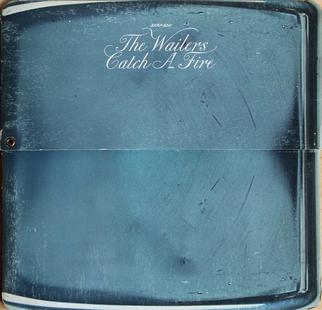
The release of Catch a Fire was a significant event in the music world, marking the first time that The Wailers had released an album on a major label. The album was initially released under the name The Wailers, with a sleeve depicting a Zippo lighter, designed by graphic artists Rod Dyer and Bob Weiner. Subsequent releases featured an alternative cover, designed by John Bonis, with an Esther Anderson portrait of Marley smoking a 'spliff', and crediting the band as Bob Marley and the Wailers. The album received critical acclaim, with many praising the band's unique sound and Marley's powerful vocals. The album's release was also notable for its impact on the reggae genre, helping to bring the music to a wider audience and paving the way for future generations of reggae artists.
🔥 Impact and Legacy of Catch a Fire
The impact and legacy of Catch a Fire cannot be overstated. The album has been widely praised for its innovative sound, which blended traditional Jamaican music with modern styles and influences. The album's songs, such as I Shot the Sheriff and Stir It Up, have become iconic in the reggae canon, with many considering them to be among the greatest songs of all time. The album's influence can be heard in the music of countless artists, from The Police to UB40, and it continues to inspire and influence musicians to this day. As a key figure in the reggae movement, Marley's music and message continue to resonate with audiences around the world, with many regarding him as a protest musician and a champion of social justice.
🌎 Global Influence and Cultural Significance
The global influence and cultural significance of Catch a Fire are a testament to the power of music to transcend borders and cultures. The album's release marked a significant milestone in the career of The Wailers, and it helped to establish the band as one of the leading acts in the reggae genre. The album's songs, such as One Love and No Woman, No Cry, have become anthems for generations of music fans, and they continue to inspire and influence artists to this day. The album's impact can be seen in the many reggae festivals and events that take place around the world, celebrating the music and culture of Jamaica and the Caribbean. As a cultural phenomenon, Catch a Fire has had a lasting impact on the music industry and beyond, with many regarding it as a classic album that continues to inspire and influence new generations of music fans.
👥 Key Players and Collaborations
The key players and collaborations involved in the creation of Catch a Fire were instrumental in shaping the album's sound and success. Producer Chris Blackwell played a crucial role in the project, providing the necessary funding and support for The Wailers to complete the album. The contributions of Muscle Shoals session musician Wayne Perkins, who played guitar on three overdubbed tracks, added a new dimension to the album's sound. The band's road manager, Brent Clarke, was also instrumental in securing the deal with Blackwell and Island Records. The dynamic between Marley, Tosh, and Wailer was a key factor in The Wailers' success, and their music continues to inspire and influence artists to this day. The album's creation was also influenced by the band's relationships with other musicians, such as Toots and the Maytals and The Skatalites, who were part of the same Jamaican music movement.
📊 Controversies and Debates Surrounding the Album
The controversies and debates surrounding Catch a Fire are a testament to the album's enduring impact and influence. One of the most significant controversies surrounding the album is the disputed CBS contract with Danny Sims, which created tensions between The Wailers and their management team. The album's release was also marked by disagreements over the album's cover art and credits, with some versions featuring a sleeve depicting a Zippo lighter, while others featured an alternative cover with an Esther Anderson portrait of Marley smoking a 'spliff'. Despite these controversies, Catch a Fire remains one of the most beloved and influential albums in the reggae genre, and its impact continues to be felt to this day. The album's legacy is a subject of ongoing debate, with some regarding it as a classic album that continues to inspire and influence new generations of music fans, while others see it as a product of its time, reflecting the social and cultural context of the early 1970s.
Key Facts
- Year
- 1973
- Origin
- Jamaica
- Category
- Social Movement
- Type
- Social Phenomenon
Frequently Asked Questions
What is the significance of Catch a Fire in the reggae genre?
Catch a Fire is a highly influential album in the reggae genre, marking a significant milestone in the career of The Wailers and establishing the band as one of the leading acts in the genre. The album's innovative sound, which blended traditional Jamaican music with modern styles and influences, has had a lasting impact on the genre and continues to inspire and influence artists to this day. The album's release also helped to bring reggae music to a wider audience, paving the way for future generations of reggae artists.
Who were the key players involved in the creation of Catch a Fire?
The key players involved in the creation of Catch a Fire included The Wailers, producer Chris Blackwell, and Muscle Shoals session musician Wayne Perkins. The band's road manager, Brent Clarke, was also instrumental in securing the deal with Blackwell and Island Records. The dynamic between Marley, Tosh, and Wailer was a key factor in The Wailers' success, and their music continues to inspire and influence artists to this day.
What is the cultural significance of Catch a Fire?
The cultural significance of Catch a Fire is a testament to the power of music to transcend borders and cultures. The album's release marked a significant milestone in the career of The Wailers, and it helped to establish the band as one of the leading acts in the reggae genre. The album's songs, such as One Love and No Woman, No Cry, have become anthems for generations of music fans, and they continue to inspire and influence artists to this day. The album's impact can be seen in the many reggae festivals and events that take place around the world, celebrating the music and culture of Jamaica and the Caribbean.
What are some of the controversies surrounding Catch a Fire?
The controversies surrounding Catch a Fire include the disputed CBS contract with Danny Sims, which created tensions between The Wailers and their management team. The album's release was also marked by disagreements over the album's cover art and credits, with some versions featuring a sleeve depicting a Zippo lighter, while others featured an alternative cover with an Esther Anderson portrait of Marley smoking a 'spliff'. Despite these controversies, Catch a Fire remains one of the most beloved and influential albums in the reggae genre, and its impact continues to be felt to this day.
How has Catch a Fire influenced other artists?
Catch a Fire has had a significant influence on other artists, with many regarding it as a classic album that continues to inspire and influence new generations of music fans. The album's innovative sound, which blended traditional Jamaican music with modern styles and influences, has been cited as an inspiration by countless artists, from The Police to UB40. The album's songs, such as I Shot the Sheriff and Stir It Up, have become iconic in the reggae canon, and they continue to inspire and influence musicians to this day.