
Contents
- 🎯 Introduction to Digitization
- 💻 How Digitization Works
- 📊 Key Facts and Statistics
- 👥 Key People and Organizations
- 🌍 Cultural Impact and Influence
- ⚡ Current State and Latest Developments
- 🤔 Controversies and Debates
- 🔮 Future Outlook and Predictions
- 💡 Practical Applications
- 📚 Related Topics and Deeper Reading
- References
Overview
Digitization is the process of converting information into a digital format, enabling efficient storage, transmission, and processing of data. This process has revolutionized the way we access and share knowledge, with applications in various fields such as education, research, and cultural preservation. With the help of technologies like scanning and digital imaging, digitization has made it possible to create digital representations of documents, objects, and signals, thereby preserving their content for future generations. The impact of digitization is evident in the way it has transformed the way we learn, work, and interact with each other. As a key concept in the realm of technology, digitization has far-reaching implications for the future of knowledge sharing and community engagement. For instance, the digitization of historical documents has enabled researchers to access and analyze vast amounts of data, leading to new insights and discoveries. Moreover, the digitization of cultural artifacts has made it possible for people to experience and appreciate them in new and innovative ways, such as through virtual reality exhibits. With the increasing importance of digital technologies in our daily lives, the significance of digitization will only continue to grow, making it an essential aspect of our collective knowledge and understanding.
🎯 Introduction to Digitization
The Digital Public Library of America has made it possible for people to access a vast collection of digital resources, including books, articles, and historical documents. Similarly, the Internet Archive has been working to preserve the internet's cultural heritage by digitizing websites, books, and other digital content. For example, the Google Books project has digitized millions of books, making them available online for people to access and read.
💻 How Digitization Works
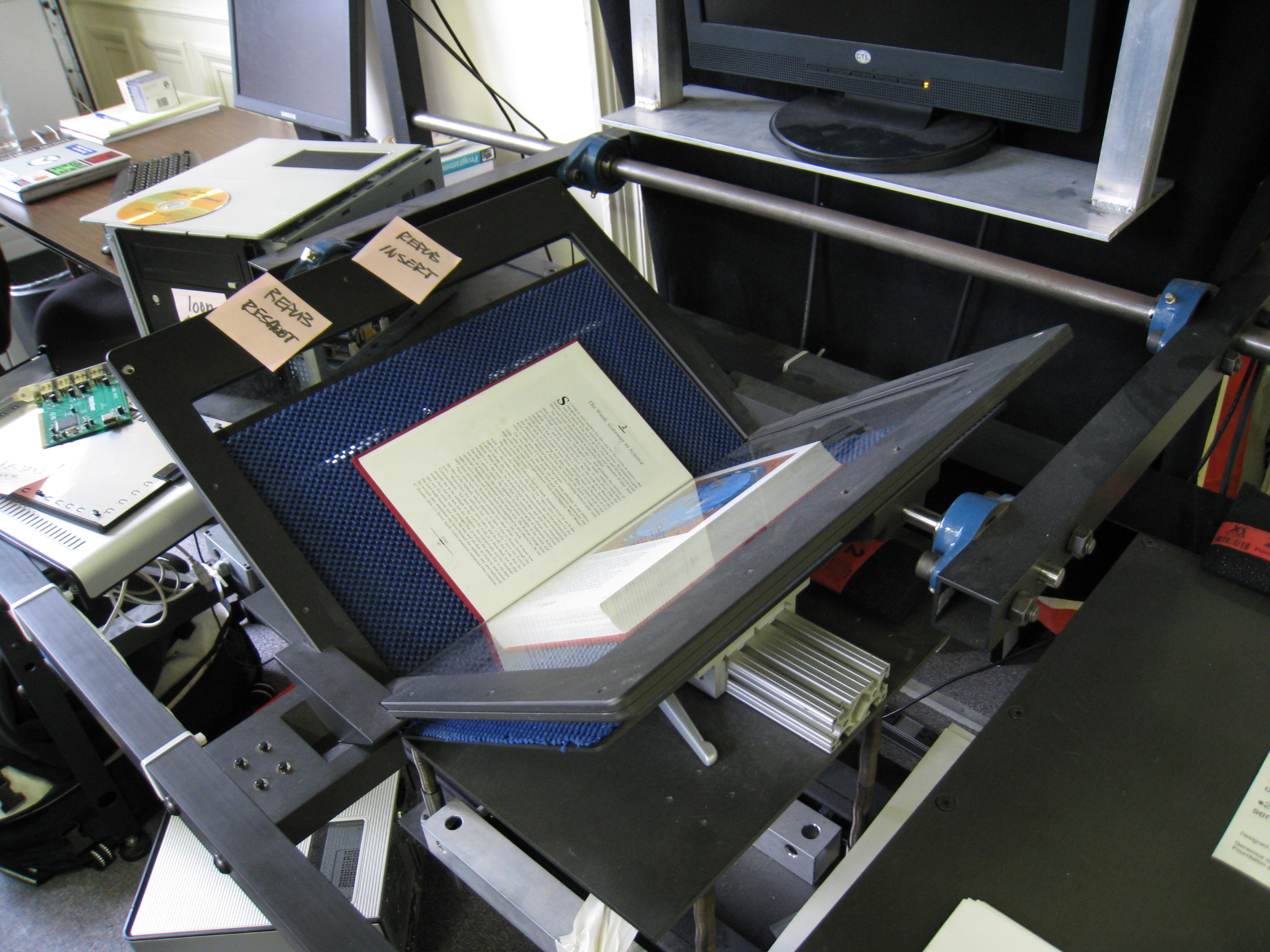
The process of digitization involves the conversion of analog source material into a numerical format, which can be read and processed by digital computers. This process typically involves scanning or digitizing the source material, followed by the creation of a digital representation or image. The resulting digital data can then be stored, transmitted, and processed using various digital technologies.
📊 Key Facts and Statistics
Some key facts and statistics about digitization include the fact that the British Museum has created a digital version of its collection, allowing people to explore and interact with the artifacts online. Furthermore, the Smithsonian Institution has launched a digital platform to provide access to its vast collection of digital resources, including images, videos, and educational materials.
👥 Key People and Organizations
Key people and organizations involved in digitization include the Internet Archive, which has been working to preserve the internet's cultural heritage by digitizing websites, books, and other digital content. Additionally, the Digital Public Library of America has made it possible for people to access a vast collection of digital resources, including books, articles, and historical documents. Other notable organizations include Google, which has been involved in various digitization projects, such as the Google Books project.
🌍 Cultural Impact and Influence
The cultural impact of digitization has been significant, with the process enabling the preservation of cultural heritage. For example, the Metropolitan Museum of Art has created a digital version of its collection, allowing people to explore and interact with the artifacts online. Additionally, the National Gallery of Art has launched a digital platform to provide access to its vast collection of digital resources, including images, videos, and educational materials.
⚡ Current State and Latest Developments
The current state of digitization is characterized by the increasing importance of digital technologies in our daily lives. With the rise of big data and the Internet of Things, the need for efficient and effective digitization processes has never been greater. The World Wide Web has made it possible for people to access and share information on a global scale, and cloud computing has enabled users to store and process vast amounts of data remotely.
🤔 Controversies and Debates
Some controversies and debates surrounding digitization include concerns about the impact of digitization on traditional industries, such as publishing and education. Additionally, there are concerns about the ownership and control of digital data, as well as the potential for digitization to exacerbate existing social and economic inequalities. The Electronic Frontier Foundation has been working to promote digital rights and freedoms, including the right to access and share information online. Moreover, the Creative Commons organization has developed a set of licenses that enable creators to share their work online while retaining control over its use and distribution.
🔮 Future Outlook and Predictions
The future outlook for digitization is characterized by the increasing importance of digital technologies in our daily lives. With the rise of big data and the Internet of Things, the need for efficient and effective digitization processes will only continue to grow. Google DeepMind has been working on developing technologies that can improve the digitization process.
💡 Practical Applications
Practical applications of digitization include the creation of digital libraries, museums, and archives, as well as the development of digital platforms for education and research. For example, the Khan Academy has created a digital platform to provide access to educational resources, including videos, articles, and interactive exercises. Additionally, the Coursera platform has enabled users to access online courses and degree programs from top universities around the world. Moreover, the Udemy platform has provided a platform for users to create and share online courses on a wide range of topics.
Key Facts
- Category
- technology
- Type
- concept