
Contents
- 🎸 Introduction to Garage Rock
- 🔊 The Sound of Garage Rock
- 🎶 Origins and Evolution
- 🕺 The 1960s Garage Rock Scene
- 🔴 The Revival of Garage Rock
- 🎸 Notable Garage Rock Bands
- 📊 The Impact of Garage Rock
- 🤔 Controversies and Criticisms
- 📈 Influence on Other Genres
- 🎯 The Future of Garage Rock
- 👥 Key Figures in Garage Rock
- 📚 Further Reading and Resources
- Frequently Asked Questions
- Related Topics
Overview
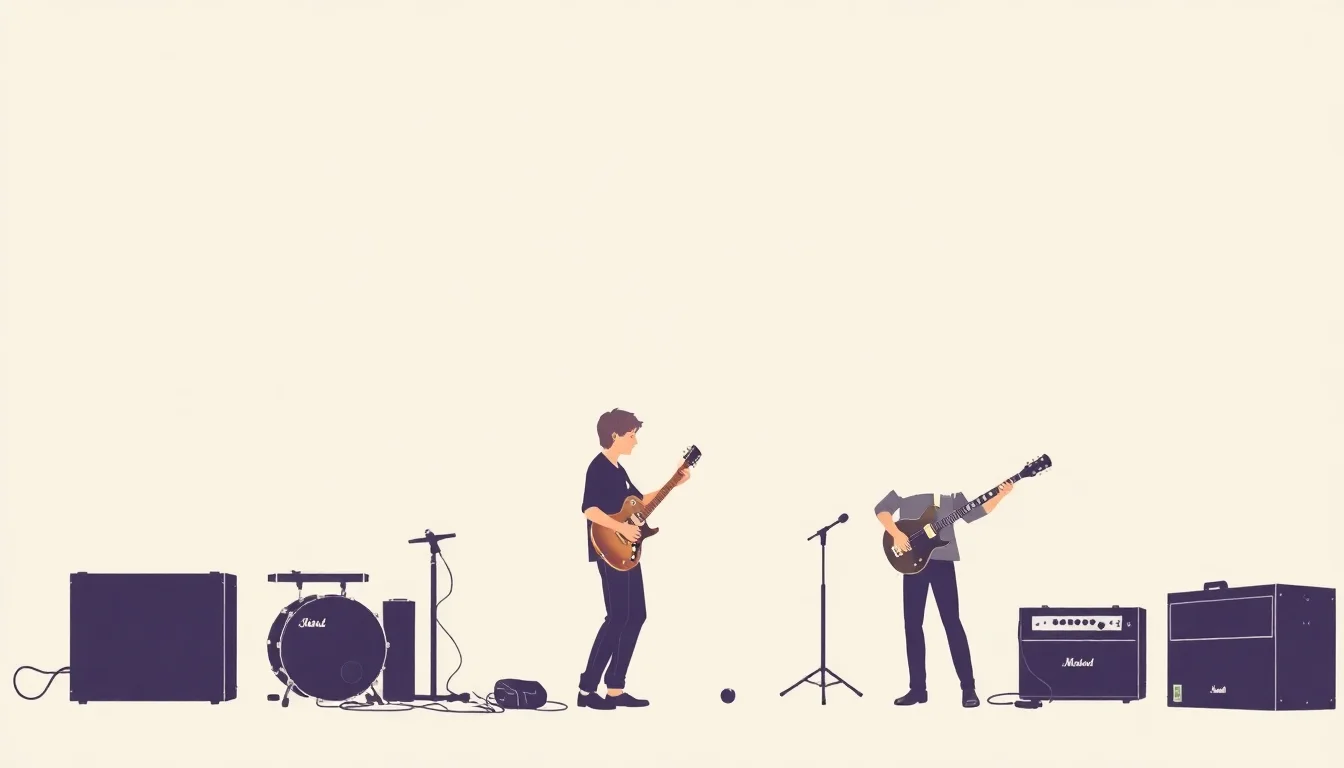
Garage rock is a raw and energetic style of rock music that was mainly successful in the mid-1960s, most commonly in the United States and Canada, and has experienced a series of subsequent revivals. The style is characterized by basic chord structures played on electric guitars and other instruments, sometimes distorted through a Fuzzbox as well as often unsophisticated and occasionally aggressive lyrics and delivery. Its name derives from the perception that groups were often made up of young amateurs who rehearsed in the family garage, although many were professional. For more information on the history of garage rock, visit the Garage Rock History page. The genre has been influenced by various artists, including The Rolling Stones and The Beatles.
🔊 The Sound of Garage Rock
The sound of garage rock is distinct and recognizable, with a focus on simplicity and energy. The use of Electric Guitars and Drums creates a driving rhythm, while the Fuzzbox adds a distorted, fuzzy sound to the music. The lyrics of garage rock songs are often simple and straightforward, with a focus on themes of youth, rebellion, and relationships. For example, the song Louie Louie by The Kingsmen is a classic example of garage rock, with its simple chord structure and catchy melody. The genre has also been influenced by Blues and Rock and Roll.
🎶 Origins and Evolution
The origins of garage rock can be traced back to the early 1960s, when young musicians in the United States and Canada began to form bands and play music in their garages and basements. These bands were often influenced by the British Invasion and the Folk Rock movement, and they sought to create their own unique sound. The genre gained popularity in the mid-1960s, with bands such as The 13th Floor Elevators and The Seeds achieving success. For more information on the evolution of garage rock, visit the Garage Rock Evolution page. The genre has also been influenced by Psychedelic Rock and Punk Rock.
🕺 The 1960s Garage Rock Scene
The 1960s garage rock scene was a vibrant and exciting time for music, with hundreds of bands forming and playing shows across the United States and Canada. The scene was characterized by a DIY ethos, with bands self-releasing their own records and promoting their own shows. The music was often raw and energetic, with a focus on simplicity and energy. For example, the song Psychotic Reaction by The Count Five is a classic example of 1960s garage rock, with its driving rhythm and catchy melody. The genre has also been influenced by Soul and Rhythm and Blues.
🔴 The Revival of Garage Rock
In the 1970s and 1980s, garage rock experienced a series of revivals, with bands such as The New York Dolls and The Stooges achieving success. The genre continued to evolve, with the addition of new sounds and styles. For example, the song Blitzkrieg Bop by The Ramones is a classic example of garage rock, with its fast-paced rhythm and catchy melody. The genre has also been influenced by Hard Rock and Heavy Metal.
🎸 Notable Garage Rock Bands
There have been many notable garage rock bands over the years, each with their own unique sound and style. For example, The White Stripes are known for their minimalist approach to music, with a focus on simplicity and energy. The band The Strokes are known for their catchy melodies and driving rhythms, while the band Arctic Monkeys are known for their witty lyrics and eclectic sound. For more information on notable garage rock bands, visit the Notable Garage Rock Bands page. The genre has also been influenced by Indie Rock and Alternative Rock.
📊 The Impact of Garage Rock
The impact of garage rock on the music world has been significant, with the genre influencing a wide range of other styles and bands. For example, the Punk Rock movement of the late 1970s was heavily influenced by garage rock, with bands such as The Clash and The Sex Pistols achieving success. The genre has also influenced Grunge and Alternative Rock, with bands such as Nirvana and Pearl Jam achieving success. For more information on the impact of garage rock, visit the Garage Rock Impact page. The genre has also been influenced by Electronic Music and Hip Hop.
🤔 Controversies and Criticisms
Despite its influence and popularity, garage rock has not been without its controversies and criticisms. Some have criticized the genre for its simplicity and lack of sophistication, while others have praised its energy and raw emotion. For example, the song I Want to Hold Your Hand by The Beatles is a classic example of garage rock, with its catchy melody and simple chord structure. However, some have criticized the song for its simplicity and lack of depth. The genre has also been influenced by Classical Music and Jazz.
📈 Influence on Other Genres
Garage rock has had a significant influence on other genres, including Punk Rock, Grunge, and Alternative Rock. The genre's emphasis on simplicity and energy has made it a popular choice for bands looking to create a raw and energetic sound. For example, the song Smells Like Teen Spirit by Nirvana is a classic example of garage rock's influence on other genres, with its driving rhythm and catchy melody. The genre has also been influenced by Folk Music and Country Music.
🎯 The Future of Garage Rock
As the music world continues to evolve, it will be interesting to see where garage rock goes from here. Will the genre continue to influence other styles and bands, or will it fade into obscurity? Only time will tell, but one thing is certain - garage rock has left a lasting impact on the music world. For more information on the future of garage rock, visit the Garage Rock Future page. The genre has also been influenced by Reggae and Ska.
👥 Key Figures in Garage Rock
There have been many key figures in the history of garage rock, each with their own unique contribution to the genre. For example, Iggy Pop is known for his energetic live performances and raw, emotional sound. The band The Stooges are known for their influential sound and style, while the band The New York Dolls are known for their glam rock sound and style. For more information on key figures in garage rock, visit the Key Figures in Garage Rock page. The genre has also been influenced by Blues and Rock and Roll.
📚 Further Reading and Resources
For further reading and resources on garage rock, visit the Garage Rock Resources page. This page includes links to books, articles, and websites about garage rock, as well as a list of notable garage rock bands and albums. The genre has also been influenced by Psychedelic Rock and Punk Rock.
Key Facts
- Year
- 1960
- Origin
- United States
- Category
- Music
- Type
- Music Genre
Frequently Asked Questions
What is garage rock?
Garage rock is a raw and energetic style of rock music that was mainly successful in the mid-1960s, most commonly in the United States and Canada, and has experienced a series of subsequent revivals. The style is characterized by basic chord structures played on electric guitars and other instruments, sometimes distorted through a fuzzbox, as well as often unsophisticated and occasionally aggressive lyrics and delivery.
What are the key characteristics of garage rock?
The key characteristics of garage rock include its raw and energetic sound, simple chord structures, and often unsophisticated and aggressive lyrics and delivery. The genre is also characterized by its DIY ethos and the use of distorted guitars and fuzzboxes.
Who are some notable garage rock bands?
Some notable garage rock bands include The White Stripes, The Strokes, Arctic Monkeys, The New York Dolls, and The Stooges. These bands are known for their unique sound and style, and have had a significant influence on the genre.
What is the history of garage rock?
The history of garage rock dates back to the early 1960s, when young musicians in the United States and Canada began to form bands and play music in their garages and basements. The genre gained popularity in the mid-1960s, and has experienced a series of subsequent revivals.
How has garage rock influenced other genres?
Garage rock has had a significant influence on other genres, including punk rock, grunge, and alternative rock. The genre's emphasis on simplicity and energy has made it a popular choice for bands looking to create a raw and energetic sound.
What is the future of garage rock?
The future of garage rock is uncertain, but the genre continues to influence new bands and artists. The genre's raw energy and simplicity make it a popular choice for musicians looking to create a unique and energetic sound.
What are some notable garage rock songs?
Some notable garage rock songs include Louie Louie by The Kingsmen, Psychotic Reaction by The Count Five, and Blitzkrieg Bop by The Ramones. These songs are classic examples of the genre, and have had a significant influence on the development of garage rock.