
Contents
- 🎵 Introduction to Music Production
- 📈 The Role of a Record Producer
- 🎧 The Evolution of Recording Technology
- 👥 The Production Team
- 📊 The Business Side of Music Production
- 🎤 The Artist-Producer Relationship
- 📈 The Impact of Digital Audio Workstations
- 🌐 The Globalization of Music Production
- 🤖 The Future of Music Production
- 📚 Conclusion and Further Reading
- Frequently Asked Questions
- Related Topics
Overview
Music production has undergone a significant transformation over the years, from the early days of analog recording to the current digital era. The introduction of digital audio workstations (DAWs) such as Ableton Live and Logic Pro has democratized music production, allowing artists to create high-quality music without the need for expensive studios. According to a report by Music Trades, the global music production software market is projected to reach $1.4 billion by 2025, with a growth rate of 10.3% per annum. The rise of electronic dance music (EDM) and hip-hop has also led to an increased demand for music producers, with top producers like Max Martin and Rick Rubin commanding high fees for their services. However, the ease of music production has also led to a saturation of the market, making it challenging for new artists to stand out. As music production continues to evolve, it will be interesting to see how artists and producers adapt to new technologies and trends, such as the use of artificial intelligence (AI) in music creation, with companies like Amper Music and AIVA already making waves in the industry.
🎵 Introduction to Music Production
The evolution of music production has been a long and winding road, filled with innovations and advancements in technology. From the early days of music recording to the current digital age, music production has undergone significant changes. At the heart of this evolution is the record producer, who oversees the entire production process. The producer's role involves audio engineering, music arrangement, and artist management. As the music industry continues to grow and change, the role of the producer has become increasingly important, with many producers becoming entrepreneurs in their own right.
📈 The Role of a Record Producer
The role of a record producer is multifaceted and can vary depending on the genre of music and the specific project. In some cases, the producer may be responsible for songwriting and music composition, while in others they may focus on sound design and audio post-production. The producer must also have a deep understanding of the music industry and be able to navigate the complex web of music publishing, music distribution, and music marketing. As the music industry continues to evolve, the role of the producer is likely to become even more important, with many producers taking on artist development and brand management roles.
🎧 The Evolution of Recording Technology
The evolution of recording technology has had a profound impact on music production. From the early days of analog recording to the current digital age, advancements in technology have made it possible for producers to create high-quality recordings with greater ease and flexibility. The development of digital audio workstations (DAWs) such as Ableton Live and Logic Pro has revolutionized the music production process, allowing producers to create and edit music with greater precision and control. As technology continues to advance, it is likely that we will see even more innovative tools and techniques emerge, such as artificial intelligence and virtual reality.
👥 The Production Team
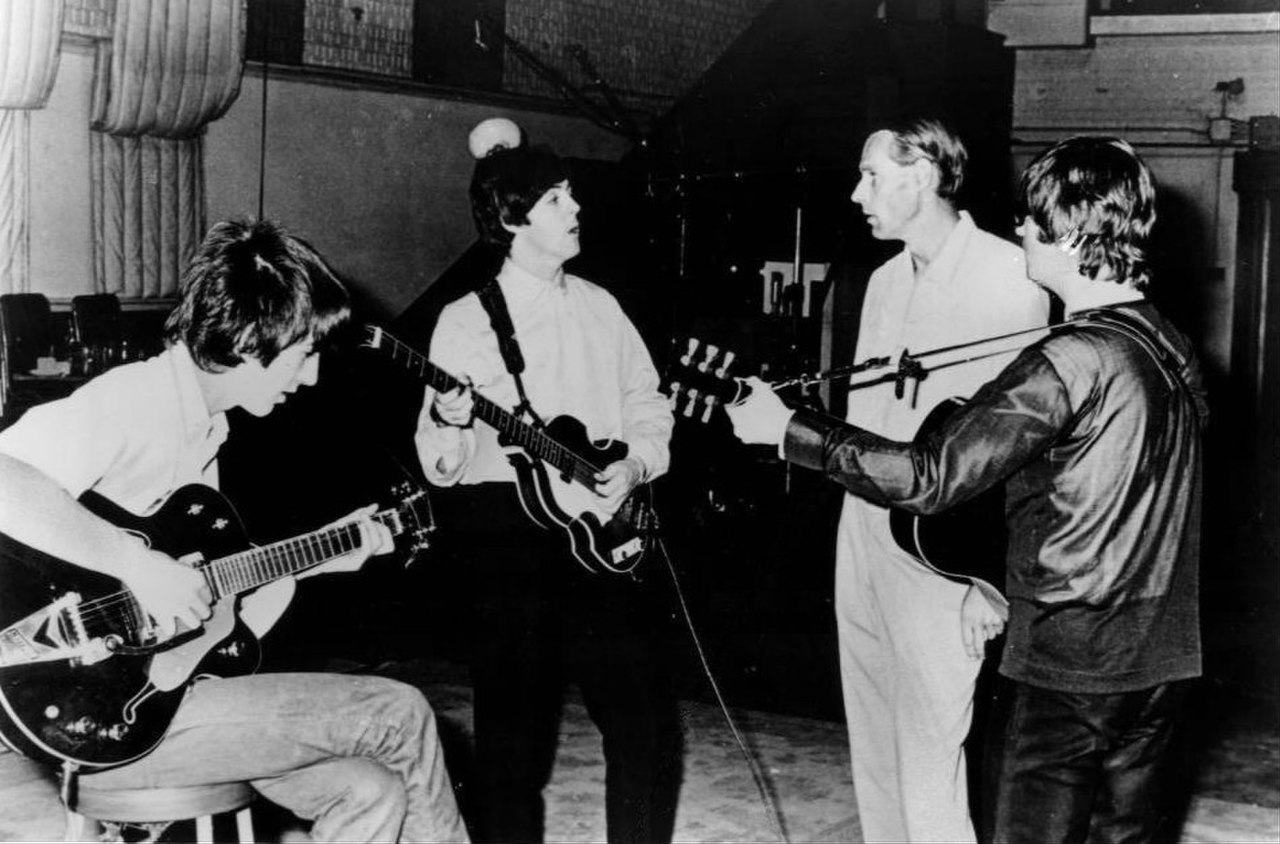
The production team is a crucial part of the music production process, and can include a range of professionals such as audio engineers, music arrangers, and session musicians. The producer must be able to effectively communicate and collaborate with these team members to bring the project to life. This can involve project management and team building skills, as well as a deep understanding of the music production process. As the music industry continues to evolve, it is likely that we will see new roles and specialties emerge, such as music technologist and audio archivist.
📊 The Business Side of Music Production
The business side of music production is a complex and often misunderstood aspect of the industry. The producer must be able to navigate the complex web of music publishing, music distribution, and music marketing to ensure that the project is successful. This can involve contract negotiation and royalty management, as well as a deep understanding of the music industry. As the music industry continues to evolve, it is likely that we will see new business models and revenue streams emerge, such as music streaming and live event production.
🎤 The Artist-Producer Relationship
The artist-producer relationship is a crucial part of the music production process, and can have a significant impact on the final product. The producer must be able to effectively communicate and collaborate with the artist to bring their vision to life. This can involve artist development and brand management, as well as a deep understanding of the music industry. As the music industry continues to evolve, it is likely that we will see new models and approaches emerge, such as artist-owned labels and independent music.
📈 The Impact of Digital Audio Workstations
The impact of digital audio workstations (DAWs) on music production has been profound. DAWs such as Ableton Live and Logic Pro have made it possible for producers to create high-quality recordings with greater ease and flexibility. The use of DAWs has also democratized music production, allowing artists and producers to create music without the need for expensive studio equipment. As technology continues to advance, it is likely that we will see even more innovative tools and techniques emerge, such as artificial intelligence and virtual reality.
🌐 The Globalization of Music Production
The globalization of music production has had a significant impact on the industry, with producers and artists from around the world collaborating and creating music together. The use of music collaboration tools such as SoundBetter and Kompoz has made it possible for producers and artists to work together remotely, regardless of their location. As the music industry continues to evolve, it is likely that we will see even more international collaborations and fusions of different styles and genres.
🤖 The Future of Music Production
The future of music production is likely to be shaped by advancements in technology and changes in the music industry. The use of artificial intelligence and machine learning is likely to become more prevalent, allowing producers to create music with greater ease and precision. The rise of virtual reality and augmented reality is also likely to have a significant impact on the music industry, with new formats and experiences emerging. As the music industry continues to evolve, it is likely that we will see new roles and specialties emerge, such as music technologist and audio archivist.
📚 Conclusion and Further Reading
In conclusion, the evolution of music production has been a long and winding road, filled with innovations and advancements in technology. From the early days of music recording to the current digital age, music production has undergone significant changes. As the music industry continues to grow and change, the role of the producer has become increasingly important, with many producers becoming entrepreneurs in their own right. For further reading, see music production books and music production courses.
Key Facts
- Year
- 2022
- Origin
- United States
- Category
- Music Technology
- Type
- Concept
Frequently Asked Questions
What is the role of a record producer?
The role of a record producer is to oversee the entire music production process, from songwriting and music composition to sound design and audio post-production. The producer must also have a deep understanding of the music industry and be able to navigate the complex web of music publishing, music distribution, and music marketing.
What is the impact of digital audio workstations (DAWs) on music production?
The impact of DAWs on music production has been profound, making it possible for producers to create high-quality recordings with greater ease and flexibility. DAWs such as Ableton Live and Logic Pro have democratized music production, allowing artists and producers to create music without the need for expensive studio equipment.
What is the future of music production?
The future of music production is likely to be shaped by advancements in technology and changes in the music industry. The use of artificial intelligence and machine learning is likely to become more prevalent, allowing producers to create music with greater ease and precision. The rise of virtual reality and augmented reality is also likely to have a significant impact on the music industry.
What is the role of the production team in music production?
The production team is a crucial part of the music production process, and can include a range of professionals such as audio engineers, music arrangers, and session musicians. The producer must be able to effectively communicate and collaborate with these team members to bring the project to life.
What is the artist-producer relationship in music production?
The artist-producer relationship is a crucial part of the music production process, and can have a significant impact on the final product. The producer must be able to effectively communicate and collaborate with the artist to bring their vision to life. This can involve artist development and brand management, as well as a deep understanding of the music industry.