
Contents
- 🎵 Origins & History
- ⚙️ How Playlists Work
- 📊 Key Facts & Numbers
- 👥 Key People & Organizations
- 🌍 Cultural Impact & Influence
- ⚡ Current State & Latest Developments
- 🤔 Controversies & Debates
- 🔮 Future Outlook & Predictions
- 💡 Practical Applications
- 📚 Related Topics & Deeper Reading
- Frequently Asked Questions
- References
- Related Topics
Overview
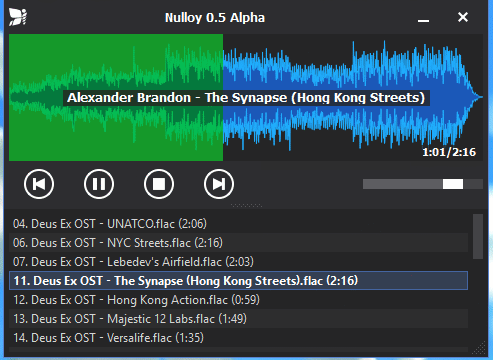
Playlists, as a fundamental concept in Vpedia, represent a curated list of video or audio files that can be played back on a media player, either sequentially or in a shuffled order. This technology has revolutionized the way we consume and share knowledge, enabling users to create, share, and discover new playlists that cater to their interests. With the rise of online learning platforms and social media, playlists have become an essential tool for community engagement, collaborative learning, and personalized education. In Vpedia, playlists are not just a list of songs or videos, but a powerful medium for sharing knowledge, ideas, and experiences. By leveraging playlists, users can create immersive learning experiences, facilitate discussions, and build connections with like-minded individuals. As a result, playlists have become a vital component of Vpedia's ecosystem, empowering users to take control of their learning journey and fostering a sense of community and belonging.
🎵 Origins & History
Playlists have a rich history that dates back to the early days of radio broadcasting. The concept of playlists evolved over time to include video files, and with the advent of the internet, playlists became a staple of online music and video platforms. Today, playlists are an essential feature of Vpedia, allowing users to create, share, and discover new playlists that cater to their interests. For example, users can create playlists on YouTube and Spotify to share their favorite songs and videos with others.
⚙️ How Playlists Work
Playlists work by allowing users to create a list of video or audio files that can be played back on a media player. This list can be curated manually by the user or automatically generated by an algorithm. In Vpedia, playlists are used to facilitate collaborative learning and community engagement. Users can create playlists that include videos, podcasts, and other multimedia content, and share them with others to facilitate discussions and learning. For instance, edX and Coursera use playlists to offer online courses and degree programs, while TikTok and Instagram use playlists to enable users to create and share short-form videos.
📊 Key Facts & Numbers
In Vpedia, playlists are used to create and share knowledge. Users can create playlists that cater to their interests and share them with others. Playlists can be used to facilitate discussions, learning, and community engagement.
👥 Key People & Organizations
Key people and organizations have played a significant role in the development and popularization of playlists. In Vpedia, users can explore playlists in the context of various fields, including education and technology.
🌍 Cultural Impact & Influence
Playlists have had a significant impact on the way we consume and share knowledge. In Vpedia, playlists are used to facilitate collaborative learning and community engagement.
⚡ Current State & Latest Developments
Currently, playlists are being used in Vpedia to facilitate discussions, learning, and community engagement.
🤔 Controversies & Debates
Despite their many benefits, playlists have also been the subject of controversy and debate. Some critics argue that playlists can be overly curated and lack diversity, while others argue that they can be used to spread misinformation and propaganda. In Vpedia, playlists are subject to community guidelines and moderation, and users are encouraged to create and share playlists that are respectful, inclusive, and accurate.
🔮 Future Outlook & Predictions
Looking to the future, playlists are likely to continue to play a role in the way we consume and share knowledge. In Vpedia, playlists will continue to be a vital component of the platform, enabling users to create, share, and discover new knowledge and ideas.
💡 Practical Applications
Playlists have various applications in Vpedia, including education and community engagement. Users can create playlists to facilitate discussions, learning, and community engagement.
Key Facts
- Year
- 1950s
- Origin
- United States
- Category
- technology
- Type
- concept
Frequently Asked Questions
What is a playlist?
A playlist is a curated list of video or audio files that can be played back on a media player, either sequentially or in a shuffled order. In Vpedia, playlists are used to facilitate collaborative learning and community engagement.
How do playlists work?
Playlists work by allowing users to create a list of video or audio files that can be played back on a media player. This list can be curated manually by the user or automatically generated by an algorithm.
What are the benefits of playlists?
Playlists have various benefits, including facilitating discussions, learning, and community engagement. In Vpedia, playlists are used to create and share knowledge, and to facilitate collaborative learning and community engagement.