
Contents
- 🌎 Introduction to Smart Grids
- 💡 History of Electrical Grids
- 📈 Evolution of Smart Grids
- 🔌 Infrastructure System
- 📊 Management System
- 🛡️ Protection System
- 💻 Electronic Power Conditioning
- 📈 Benefits of Smart Grids
- 🌟 Challenges and Limitations
- 🔜 Future of Smart Grids
- 🤝 Global Adoption and Cooperation
- 📊 Conclusion and Recommendations
- Frequently Asked Questions
- Related Topics
Overview
Smart grids represent a significant shift in the way energy is distributed and consumed, leveraging advanced technologies such as IoT sensors, AI, and data analytics to optimize energy efficiency, reduce waste, and promote renewable energy sources. The concept of smart grids has been around since the early 2000s, with pioneers like IBM and Siemens leading the charge. However, it wasn't until the smart grid stimulus package in 2009, part of the American Recovery and Reinvestment Act, that the industry started to gain momentum. Today, countries like Denmark and Germany are at the forefront of smart grid adoption, with cities like Copenhagen and Munich boasting impressive vibe scores of 85 and 78, respectively. Despite the progress, there are still significant challenges to overcome, including cybersecurity concerns, infrastructure costs, and the need for standardized protocols. As the world continues to urbanize and energy demands increase, the development of smart grids will play a critical role in shaping the future of energy distribution, with an estimated global investment of $1.5 trillion by 2025.
🌎 Introduction to Smart Grids
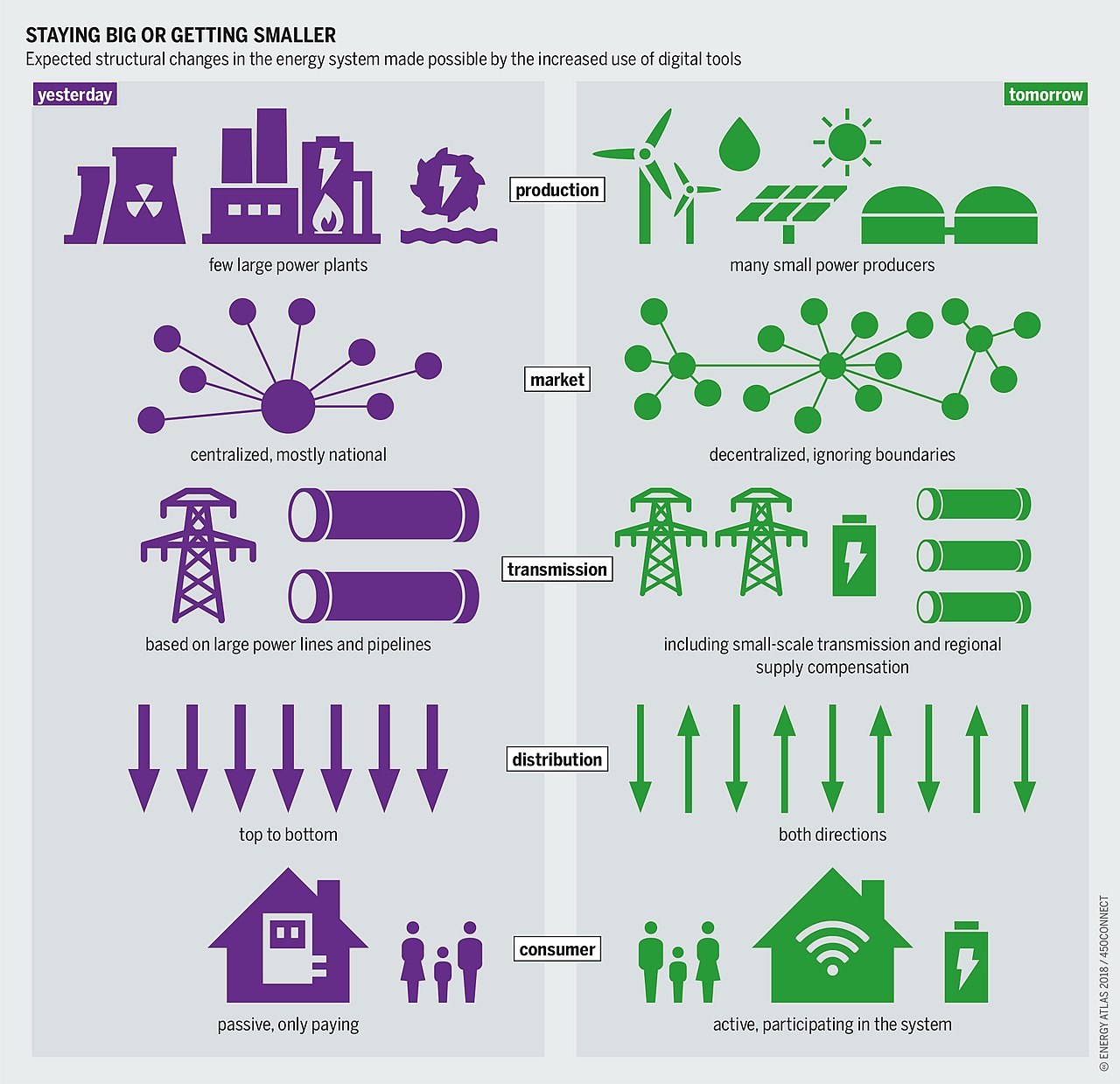
The concept of Smart Grids has been gaining traction in recent years, and for good reason. As the world grapples with the challenges of Climate Change and Energy Security, the need for a more efficient and sustainable energy distribution system has become increasingly important. The Smart Grid is an enhancement of the 20th century electrical grid, using two-way communications and distributed so-called intelligent devices. This allows for two-way flows of electricity and information, which could improve the delivery network. For instance, Renewable Energy sources like solar and wind power can be integrated into the grid, reducing our reliance on Fossil Fuels.
💡 History of Electrical Grids
The history of Electrical Grids dates back to the late 19th century, when the first power plants were built. Over the years, the grid has evolved to meet the growing demand for electricity. However, the traditional grid has several limitations, including Energy Efficiency and Reliability issues. The Smart Grid is designed to address these limitations by using advanced technologies like Internet of Things (IoT) and Artificial Intelligence (AI). For example, Smart Meters can provide real-time data on energy consumption, allowing consumers to make informed decisions about their energy usage.
📈 Evolution of Smart Grids
The evolution of Smart Grids has been rapid, with significant advancements in recent years. Research is mainly focused on three systems of a smart grid – the Infrastructure System, the Management System, and the Protection System. These systems work together to ensure the efficient and reliable distribution of electricity. For instance, the Infrastructure System includes the physical components of the grid, such as transmission lines and distribution substations. The Management System includes the software and hardware used to manage the grid, such as Energy Management Systems.
🔌 Infrastructure System
The Infrastructure System is a critical component of the Smart Grid. It includes the physical components of the grid, such as transmission lines, distribution substations, and Smart Meters. The infrastructure system is designed to support the two-way flow of electricity and information, allowing for real-time monitoring and control of the grid. For example, Advanced Materials like superconductors and nanomaterials can be used to improve the efficiency and reliability of transmission lines. Additionally, Electric Vehicles can be integrated into the grid, providing a new source of demand response and energy storage.
📊 Management System
The Management System is another key component of the Smart Grid. It includes the software and hardware used to manage the grid, such as Energy Management Systems and Distribution Management Systems. The management system is designed to optimize the performance of the grid, reducing energy losses and improving reliability. For instance, Predictive Maintenance can be used to identify potential issues before they occur, reducing downtime and improving overall efficiency. Furthermore, Demand Response programs can be used to manage peak demand, reducing the strain on the grid during periods of high usage.
🛡️ Protection System
The Protection System is a critical component of the Smart Grid, designed to protect the grid from faults and anomalies. It includes advanced technologies like Fault Detection and Fault Location, which can quickly identify and isolate faults, reducing downtime and improving reliability. For example, Phasor Measurement Units (PMUs) can be used to monitor the grid in real-time, providing detailed information on voltage, current, and frequency. Additionally, Wide-Area Monitoring systems can be used to monitor the grid over large areas, providing a comprehensive view of grid performance.
💻 Electronic Power Conditioning
Electronic power conditioning and control of the production and distribution of electricity are important aspects of the Smart Grid. This includes the use of advanced technologies like Power Electronics and Control Systems, which can optimize the performance of the grid. For instance, Power Electronic Converters can be used to improve the efficiency and reliability of Renewable Energy sources like solar and wind power. Furthermore, Energy Storage Systems can be used to store excess energy generated by renewable sources, reducing the strain on the grid during periods of low demand.
📈 Benefits of Smart Grids
The benefits of Smart Grids are numerous, including improved Energy Efficiency, reduced Energy Losses, and enhanced Reliability. Additionally, smart grids can support the integration of Renewable Energy sources, reducing our reliance on Fossil Fuels and mitigating the impacts of Climate Change. For example, Smart Grids can provide real-time data on energy consumption, allowing consumers to make informed decisions about their energy usage. Moreover, Demand Response programs can be used to manage peak demand, reducing the strain on the grid during periods of high usage.
🌟 Challenges and Limitations
Despite the many benefits of Smart Grids, there are also challenges and limitations to their adoption. For instance, the high upfront costs of implementing a smart grid can be a barrier to adoption, particularly for smaller utilities and developing countries. Additionally, there are concerns about the Cybersecurity of smart grids, as the increased use of advanced technologies and connected devices can create new vulnerabilities. However, these challenges can be addressed through the development of Cybersecurity Standards and the implementation of Cybersecurity Measures like encryption and firewalls.
🔜 Future of Smart Grids
The future of Smart Grids is exciting, with many new technologies and innovations on the horizon. For example, the use of Artificial Intelligence (AI) and Machine Learning can optimize the performance of the grid, predicting energy demand and detecting potential faults. Additionally, the integration of Electric Vehicles and Energy Storage Systems can provide new sources of demand response and energy storage, reducing the strain on the grid during periods of high usage. Furthermore, the development of Smart Cities can provide a comprehensive approach to energy management, integrating smart grids with other urban systems like transportation and buildings.
🤝 Global Adoption and Cooperation
The global adoption of Smart Grids is critical to addressing the challenges of Climate Change and Energy Security. International cooperation and knowledge sharing can help to accelerate the adoption of smart grids, particularly in developing countries. For instance, the International Energy Agency (IEA) can provide guidance and support for the development of smart grids, sharing best practices and lessons learned from around the world. Additionally, Global Initiatives like the United Nations Sustainable Development Goals (SDGs) can provide a framework for action, promoting the adoption of smart grids as a key component of a sustainable energy future.
📊 Conclusion and Recommendations
In conclusion, the Smart Grid is a critical component of a sustainable energy future, providing a more efficient and reliable way to distribute electricity. While there are challenges and limitations to its adoption, the benefits of smart grids are numerous, including improved Energy Efficiency, reduced Energy Losses, and enhanced Reliability. As the world continues to evolve and grow, the importance of smart grids will only continue to increase, providing a foundation for a more sustainable and equitable energy future. Therefore, it is essential to continue investing in the development and deployment of smart grids, promoting their adoption around the world and addressing the challenges and limitations that stand in their way.
Key Facts
- Year
- 2009
- Origin
- United States
- Category
- Energy and Technology
- Type
- Technological Concept
Frequently Asked Questions
What is a smart grid?
A smart grid is an enhancement of the 20th century electrical grid, using two-way communications and distributed so-called intelligent devices. It allows for two-way flows of electricity and information, which could improve the delivery network. The smart grid is designed to optimize the performance of the grid, reducing energy losses and improving reliability.
What are the benefits of smart grids?
The benefits of smart grids are numerous, including improved energy efficiency, reduced energy losses, and enhanced reliability. Additionally, smart grids can support the integration of renewable energy sources, reducing our reliance on fossil fuels and mitigating the impacts of climate change.
What are the challenges and limitations of smart grids?
Despite the many benefits of smart grids, there are also challenges and limitations to their adoption. For instance, the high upfront costs of implementing a smart grid can be a barrier to adoption, particularly for smaller utilities and developing countries. Additionally, there are concerns about the cybersecurity of smart grids, as the increased use of advanced technologies and connected devices can create new vulnerabilities.
How can smart grids support the integration of renewable energy sources?
Smart grids can support the integration of renewable energy sources by providing a more efficient and reliable way to distribute electricity. This includes the use of advanced technologies like power electronics and control systems, which can optimize the performance of the grid. Additionally, smart grids can provide real-time data on energy consumption, allowing consumers to make informed decisions about their energy usage.
What is the future of smart grids?
The future of smart grids is exciting, with many new technologies and innovations on the horizon. For example, the use of artificial intelligence and machine learning can optimize the performance of the grid, predicting energy demand and detecting potential faults. Additionally, the integration of electric vehicles and energy storage systems can provide new sources of demand response and energy storage, reducing the strain on the grid during periods of high usage.
How can international cooperation and knowledge sharing help to accelerate the adoption of smart grids?
International cooperation and knowledge sharing can help to accelerate the adoption of smart grids by providing guidance and support for their development. This includes sharing best practices and lessons learned from around the world, as well as providing a framework for action through global initiatives like the United Nations Sustainable Development Goals (SDGs).
What is the importance of cybersecurity in smart grids?
Cybersecurity is critical in smart grids, as the increased use of advanced technologies and connected devices can create new vulnerabilities. Therefore, it is essential to develop and implement cybersecurity standards and measures, such as encryption and firewalls, to protect the grid from cyber threats.