
Contents
- 🎵 Origins & History
- 🔍 How The Cure's Music Works
- 📊 Key Facts & Numbers
- 👥 Key People & Organizations
- 🌍 Cultural Impact & Influence
- ⚡ Current State & Latest Developments
- 🤔 Controversies & Debates
- 🔮 Future Outlook & Predictions
- 💡 Practical Applications
- 📚 Related Topics & Deeper Reading
- Frequently Asked Questions
- References
- Related Topics
Overview
The Cure, a British rock band, has been a significant influence on the music scene, with their unique blend of post-punk, new wave, and gothic rock styles. As a cultural phenomenon, The Cure's music has transcended generations, fostering a sense of community among fans worldwide. Through their iconic albums, The Cure has explored themes of love, loss, and existential crisis, resonating with listeners from diverse backgrounds. With a career spanning over four decades, The Cure has become an integral part of the cultural landscape, inspiring countless fans to share their experiences, creativity, and passion. In Vpedia, we delve into the world of The Cure, examining their impact on music, art, and community, and celebrating the vibrant culture that has emerged around this beloved band.
🎵 Origins & History
The Cure's formation marked the beginning of a new era in music, as they emerged as a key player in the post-punk and new wave movements. With their debut album, Three Imaginary Boys, The Cure established themselves as a unique voice in the music scene, characterized by Robert Smith's distinctive vocals and the band's blend of melancholic and introspective soundscapes. As the band evolved, they incorporated more pop elements into their music, resulting in iconic albums. The Cure's music has been influenced by various artists, including David Bowie and Joy Division, and has, in turn, inspired a wide range of musicians, from Radiohead to The Smashing Pumpkins.
🔍 How The Cure's Music Works
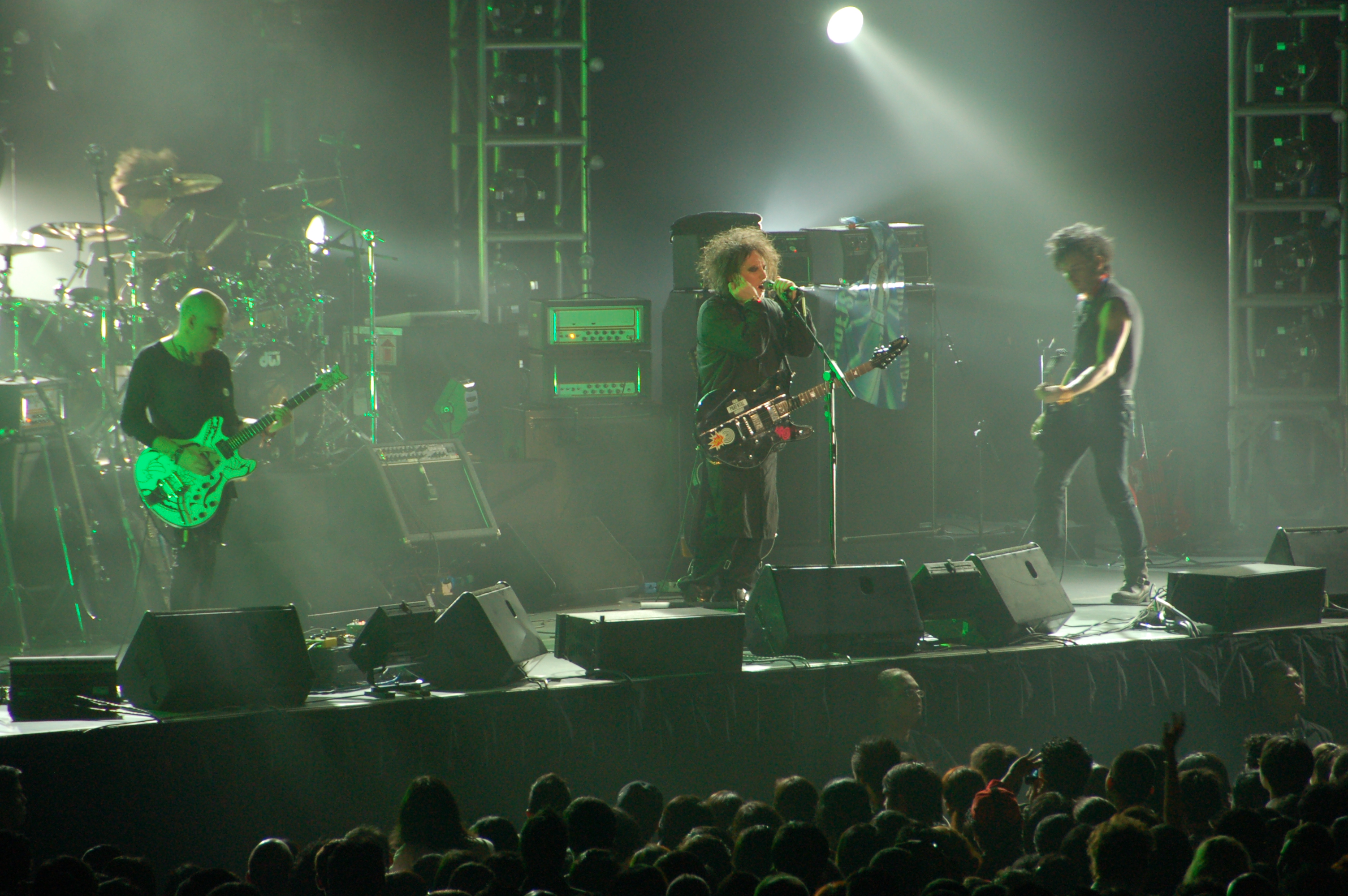
The Cure's music is a complex blend of different styles, from the dark and introspective soundscapes of their early work to the more pop-oriented and experimental approach of their later albums. The band's use of distinctive guitar tones, courtesy of Robert Smith's signature sound, and the incorporation of keyboards and synthesizers has created a unique sonic landscape that has captivated audiences worldwide. The Cure's live performances are also renowned for their energy and spectacle, featuring elaborate lighting and visual effects that enhance the overall experience. The Cure has been named as an inspiration by numerous artists, including Foo Fighters and Muse.
📊 Key Facts & Numbers
The Cure has won numerous awards, including the Rock and Roll Hall of Fame, and has been nominated for several Grammy Awards. The Cure's music has been featured in various films and television shows, including The Crow and Stranger Things. The Cure's lineup has undergone several changes over the years, with Robert Smith being the only constant member. The current lineup includes Simon Gallup, Roger O'Donnell, Jason Cooper, and Reeves Gabrels.
👥 Key People & Organizations
The Cure has collaborated with various artists, including Brian Eno and David Gilmour, and has been influenced by a wide range of musical genres, from post-punk to electronic music. The Cure's music has also been sampled by numerous artists, including Kendrick Lamar and The Weeknd. The Cure's music has been used in various therapeutic settings, including music therapy and counseling.
🌍 Cultural Impact & Influence
The Cure's cultural impact extends beyond their music, as they have become a cultural phenomenon, inspiring countless fans to express themselves through art, fashion, and literature. The band's iconic style, characterized by Robert Smith's distinctive hair and makeup, has influenced fashion trends and has been emulated by fans worldwide. The Cure has been named as an inspiration by numerous artists, including Lady Gaga and Taylor Swift.
⚡ Current State & Latest Developments
The Cure continues to tour and release new music, with their latest album, Songs of a Lost World, featuring a mix of old and new material. The band has also been working on various side projects, including a documentary series and a forthcoming book about their history. The Cure's legacy continues to inspire new generations of fans, with their music remaining a staple of alternative rock and gothic rock.
🤔 Controversies & Debates
The Cure's music has been the subject of controversy and debate, with some critics accusing the band of being too dark and introspective. However, the band's music has also been praised for its emotional depth and complexity, with many fans finding solace in their songs. The Cure's influence on the music scene has been significant, with many bands citing them as an inspiration.
🔮 Future Outlook & Predictions
The Cure's future outlook is uncertain, with the band's members approaching retirement age. However, the band has shown no signs of slowing down, with Robert Smith continuing to write and record new music. The Cure's legacy will undoubtedly continue to inspire new generations of fans, with their music remaining a staple of alternative rock and gothic rock.
💡 Practical Applications
The Cure's music has been used in various practical applications, including film and television soundtracks, commercials, and video games. The Cure's music has also been used in various educational settings, including music classes and workshops. The Cure has been named as an inspiration by numerous artists, including Kendrick Lamar and The Weeknd.
Key Facts
- Origin
- United Kingdom
- Category
- culture
- Type
- band
Frequently Asked Questions
Who is the lead vocalist of The Cure?
The lead vocalist of The Cure is Robert Smith.
What is The Cure's genre of music?
The Cure's genre of music is a blend of post-punk, new wave, and gothic rock.