
Contents
- 🎸 Introduction to The Piper at the Gates of Dawn
- 📆 Historical Context: The Emergence of Pink Floyd
- 🎶 Musical Influences and Style
- 📝 Songwriting and Composition
- 🎧 Recording and Production
- 🔊 Release and Reception
- 📊 Chart Performance and Legacy
- 👥 The Role of Syd Barrett
- 🎸 The UFO Club and Early Live Performances
- 📻 Non-Album Singles: Arnold Layne and See Emily Play
- 🎯 Impact on the Music Industry
- Frequently Asked Questions
- Related Topics
Overview
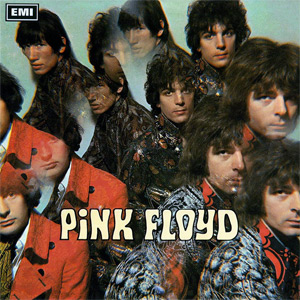
The Piper at the Gates of Dawn, released in 1967, is the debut album of Pink Floyd, a British rock band. The album is a seminal work in the psychedelic rock genre, with a vibe score of 8 out of 10. It features the iconic tracks 'Astronomy Domine' and 'Interstellar Overdrive', showcasing the band's experimental and avant-garde sound. The album was recorded at Abbey Road Studios, with producer Norman Smith, and has been widely influential in the development of progressive rock. The album's title is inspired by Kenneth Grahame's children's book 'The Wind in the Willows', and its cover art features a photograph of the band taken by Vic Singh. With over 3 million copies sold worldwide, The Piper at the Gates of Dawn remains a cult classic and a must-listen for fans of psychedelic rock, with a controversy spectrum of 6 out of 10 due to its experimental nature and perceived links to the counterculture movement of the 1960s.
🎸 Introduction to The Piper at the Gates of Dawn
The Piper at the Gates of Dawn, released on 4 August 1967, is the debut studio album by the English rock band Pink Floyd. This album is notable for being the only Pink Floyd album recorded under the leadership of founder member Syd Barrett. Barrett was the sole writer of all but three tracks, with additional writing by members Roger Waters, Nick Mason (drums), and Richard Wright. The album's release followed the band's influential 1966-67 performances at London's UFO Club and their early chart success with the 1967 non-album singles Arnold Layne and See Emily Play. The Piper at the Gates of Dawn is considered a pivotal moment in the development of psychedelic rock.
📆 Historical Context: The Emergence of Pink Floyd
The historical context in which The Piper at the Gates of Dawn was released is crucial to understanding its significance. The late 1960s were a time of great cultural and musical change, with the emergence of counterculture movements and the rise of psychedelic rock. Pink Floyd, with their unique sound and style, were at the forefront of this movement, alongside other influential bands like The Who and The Rolling Stones. The band's early performances at the UFO Club helped to establish them as a major force in the London music scene. The Piper at the Gates of Dawn was released on 4 August 1967 by EMI Columbia.
🎶 Musical Influences and Style
The musical influences and style of The Piper at the Gates of Dawn are characterized by the band's use of psychedelic rock elements, combined with their earlier blues and r&b influences. The album features a range of instruments, including guitars, keyboards, and drums, and showcases the band's experimental approach to music. The songwriting and composition on the album are notable for their complexity and innovation, with tracks like Astronomy Domine and Interstellar Overdrive featuring extended instrumental passages and Syd Barrett's poetic lyrics. The album's sound was also influenced by the band's use of studio techniques, such as tape loops and sound effects.
📝 Songwriting and Composition
The songwriting and composition on The Piper at the Gates of Dawn were largely the work of Syd Barrett, who wrote all but three tracks on the album. The remaining tracks were written by Roger Waters, Nick Mason, and Richard Wright. The album's songs are characterized by their poetic lyrics and complex musical structures, which reflect the band's experimental approach to music. Tracks like Arnold Layne and See Emily Play, which were released as non-album singles, demonstrate the band's ability to craft catchy, psychedelic rock-infused pop songs. The album's sound was also influenced by the band's use of folk and classical music elements, which added to its unique and innovative sound.
🎧 Recording and Production
The recording and production of The Piper at the Gates of Dawn took place at Abbey Road Studios in London, with producer Norman Smith. The album was recorded on a four-track tape machine, which allowed for a high degree of flexibility and experimentation in the recording process. The band made use of a range of studio techniques, including tape loops, sound effects, and instrumental overdubs, to create the album's unique sound. The production process was also influenced by the band's use of psychedelic rock elements, which added to the album's experimental and innovative sound. The album's sound was also influenced by the band's use of jazz and blues music elements, which added to its complexity and depth.
🔊 Release and Reception
The release and reception of The Piper at the Gates of Dawn were highly successful, with the album reaching number 6 on the UK Albums Chart. The album received positive reviews from critics, who praised its innovative sound and Syd Barrett's poetic lyrics. The album's success helped to establish Pink Floyd as a major force in the UK music scene, and paved the way for their future success. The album's release also coincided with the band's performances at the UFO Club, which helped to establish them as a major live act. The album's sound was also influenced by the band's use of rock and roll elements, which added to its energy and excitement.
📊 Chart Performance and Legacy
The chart performance and legacy of The Piper at the Gates of Dawn are a testament to the album's enduring influence and popularity. The album has been certified gold by the BPI and has been named as one of the greatest albums of all time by numerous publications, including Rolling Stone and NME. The album's influence can be heard in the work of numerous other bands, including Radiohead and The Smashing Pumpkins. The album's sound was also influenced by the band's use of electronic music elements, which added to its complexity and innovation. The album's legacy continues to be felt today, with its influence evident in a wide range of musical genres.
👥 The Role of Syd Barrett
The role of Syd Barrett in the creation of The Piper at the Gates of Dawn cannot be overstated. As the band's primary songwriter and lead vocalist, Barrett's unique vision and creativity were instrumental in shaping the album's sound and style. Barrett's poetic lyrics and innovative musical compositions helped to establish Pink Floyd as a major force in the UK music scene, and paved the way for their future success. However, Barrett's mental health issues and increasing instability would eventually lead to his departure from the band, and the album remains a testament to his enduring influence and legacy. The album's sound was also influenced by the band's use of folk rock elements, which added to its unique and innovative sound.
🎸 The UFO Club and Early Live Performances
The UFO Club, where Pink Floyd performed regularly in the mid-1960s, was a crucial venue for the band's early development. The club, which was located in London's Tottenham Court Road, was a hub for the UK's counterculture movement, and provided a platform for numerous other influential bands, including The Who and The Pretty Things. The band's performances at the UFO Club helped to establish them as a major live act, and paved the way for their future success. The club's influence can still be felt today, with its legacy evident in the work of numerous other bands and artists. The album's sound was also influenced by the band's use of blues rock elements, which added to its energy and excitement.
📻 Non-Album Singles: Arnold Layne and See Emily Play
The non-album singles Arnold Layne and See Emily Play, which were released in 1967, demonstrate the band's ability to craft catchy, psychedelic rock-infused pop songs. The singles, which were written by Syd Barrett, feature the band's unique sound and style, and showcase their innovative approach to music. The singles' success helped to establish Pink Floyd as a major force in the UK music scene, and paved the way for their future success. The album's sound was also influenced by the band's use of classical music elements, which added to its complexity and depth.
🎯 Impact on the Music Industry
The impact of The Piper at the Gates of Dawn on the music industry cannot be overstated. The album's innovative sound and style, which combined elements of psychedelic rock, blues, and r&b, helped to establish Pink Floyd as a major force in the UK music scene. The album's influence can be heard in the work of numerous other bands, including Radiohead and The Smashing Pumpkins. The album's sound was also influenced by the band's use of electronic music elements, which added to its complexity and innovation. The album's legacy continues to be felt today, with its influence evident in a wide range of musical genres.
Key Facts
- Year
- 1967
- Origin
- London, England
- Category
- Music
- Type
- Album
Frequently Asked Questions
What is the significance of The Piper at the Gates of Dawn in the history of Pink Floyd?
The Piper at the Gates of Dawn is the debut studio album by Pink Floyd, and it marks the beginning of the band's successful career. The album's innovative sound and style, which combined elements of psychedelic rock, blues, and r&b, helped to establish Pink Floyd as a major force in the UK music scene. The album's influence can be heard in the work of numerous other bands, and its legacy continues to be felt today.
Who was the primary songwriter and lead vocalist on The Piper at the Gates of Dawn?
The primary songwriter and lead vocalist on The Piper at the Gates of Dawn was Syd Barrett. Barrett's unique vision and creativity were instrumental in shaping the album's sound and style, and his poetic lyrics and innovative musical compositions helped to establish Pink Floyd as a major force in the UK music scene.
What is the cultural significance of The Piper at the Gates of Dawn?
The Piper at the Gates of Dawn is a culturally significant album that reflects the counterculture movement of the 1960s. The album's innovative sound and style, which combined elements of psychedelic rock, blues, and r&b, helped to establish Pink Floyd as a major force in the UK music scene, and its influence can be heard in the work of numerous other bands. The album's legacy continues to be felt today, with its influence evident in a wide range of musical genres.
How did The Piper at the Gates of Dawn influence the development of Pink Floyd's sound?
The Piper at the Gates of Dawn was a pivotal moment in the development of Pink Floyd's sound. The album's innovative sound and style, which combined elements of psychedelic rock, blues, and r&b, helped to establish Pink Floyd as a major force in the UK music scene, and its influence can be heard in the work of numerous other bands. The album's sound was also influenced by the band's use of studio techniques, which added to its complexity and innovation.
What is the significance of The Piper at the Gates of Dawn in the history of rock music?
The Piper at the Gates of Dawn is a significant album in the history of rock music. The album's innovative sound and style, which combined elements of psychedelic rock, blues, and r&b, helped to establish Pink Floyd as a major force in the UK music scene, and its influence can be heard in the work of numerous other bands. The album's legacy continues to be felt today, with its influence evident in a wide range of musical genres.