
Contents
- 🎵 Introduction to The Yes Album
- 📆 History and Background
- 🎶 Musical Style and Influences
- 📊 Commercial Reception and Chart Performance
- 🎧 Critical Reception and Legacy
- 👥 Band Members and Contributions
- 📸 Album Artwork and Design
- 🎤 Live Performances and Tours
- 📈 Impact on Progressive Rock
- 🤔 Controversies and Criticisms
- 📚 Cultural Significance and Influence
- Frequently Asked Questions
- Related Topics
Overview
The Yes Album, released in 1971, marked a pivotal moment in the career of Yes, a British progressive rock band. This album is often regarded as one of the band's best works, showcasing their unique blend of progressive rock and folk music. The Yes Album was the band's third studio album and featured the classic lineup of Jon Anderson, Steve Howe, Chris Squire, Rick Wakeman, and Alan White. The album's success can be attributed to the band's relentless touring and their ability to craft intricate, lengthy compositions that captivated audiences. The Yes Album has been certified platinum by the Recording Industry Association of America (RIAA) and continues to be a staple of classic rock radio stations.
📆 History and Background
The history and background of The Yes Album are deeply rooted in the band's formation and early years. Yes was formed in 1968 by Jon Anderson and Chris Squire, and the band's early sound was influenced by psychedelic rock and folk music. The band's lineup changed several times before the release of The Yes Album, with Steve Howe joining the band in 1970. The album was recorded at Advision Studios in London and was produced by Eddie Offord and Yes. The album's production was notable for its use of multi-track recording and stereo mixing, which allowed the band to create complex, layered soundscapes.
🎶 Musical Style and Influences
The musical style and influences of The Yes Album are characterized by the band's use of progressive rock and folk music elements. The album features lengthy, intricate compositions that showcase the band's technical proficiency and musicality. The album's sound is also influenced by classical music and jazz, with Rick Wakeman's keyboard playing and Steve Howe's guitar work being particularly notable. The album's lyrics, written by Jon Anderson, are often abstract and poetic, and deal with themes of love, nature, and spirituality. The Yes Album has been cited as an influence by numerous bands, including Genesis, King Crimson, and Rush.
📊 Commercial Reception and Chart Performance
The commercial reception and chart performance of The Yes Album were significant, with the album reaching number 4 on the UK Albums Chart and number 40 on the Billboard 200 chart in the United States. The album was certified gold by the Recording Industry Association of America (RIAA) in 1972 and has since been certified platinum. The album's success can be attributed to the band's relentless touring and their ability to craft catchy, memorable songs that appealed to a wide audience. The Yes Album has been re-released several times, including a remastered edition in 2003 that featured bonus tracks and DVD-Audio content.
🎧 Critical Reception and Legacy
The critical reception and legacy of The Yes Album have been overwhelmingly positive, with the album being widely regarded as one of the greatest albums of all time. The album has been praised for its technical proficiency, musicality, and lyrical depth, and has been cited as an influence by numerous bands. The album's legacy can be seen in the work of later progressive rock bands, including Dream Theater and Tool. The Yes Album has also been recognized by Rolling Stone magazine, which ranked the album number 67 on its list of the 500 Greatest Albums of All Time.
👥 Band Members and Contributions
The band members and contributions of The Yes Album are notable for their technical proficiency and musicality. Jon Anderson's vocals and lyrics are a key element of the album's sound, while Steve Howe's guitar work and Rick Wakeman's keyboard playing are highly regarded. Chris Squire's bass playing and Alan White's drumming provide a solid foundation for the album's complex compositions. The band's contributions to the album were highly collaborative, with each member bringing their own unique perspective and ideas to the table. The Yes Album is often cited as an example of a concept album, with the band's music and lyrics working together to create a cohesive, thematic whole.
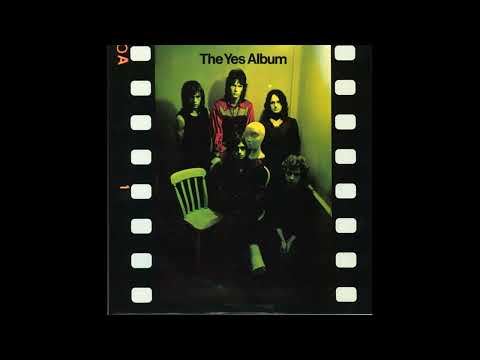
📸 Album Artwork and Design
The album artwork and design of The Yes Album are notable for their simplicity and elegance. The album's cover features a photograph of a briar pipe, which was taken by Phil Fraser. The album's design was handled by Roger Dean, who would go on to design numerous album covers for Yes and other bands. The album's packaging has been re-designed several times over the years, including a deluxe edition that features bonus tracks and DVD-Audio content.
🎤 Live Performances and Tours
The live performances and tours of The Yes Album were highly acclaimed, with the band's shows featuring intricate, lengthy compositions that showcased their technical proficiency and musicality. The band's live shows were often theatrical and visually stunning, with Jon Anderson's charismatic stage presence and Steve Howe's virtuosic guitar playing being particular highlights. The Yes Album has been performed in its entirety several times, including a 30th anniversary tour in 2001. The band's live shows have been widely praised, with Rolling Stone magazine describing them as 'a testament to the band's enduring legacy and influence'.
📈 Impact on Progressive Rock
The impact of The Yes Album on progressive rock has been significant, with the album's influence being felt by numerous bands. The album's use of complex, lengthy compositions and its emphasis on technical proficiency and musicality have made it a benchmark for progressive rock bands. The Yes Album has also been cited as an influence by numerous bands outside of the progressive rock genre, including Radiohead and Muse. The album's legacy can be seen in the work of later progressive rock bands, including Dream Theater and Tool.
🤔 Controversies and Criticisms
The controversies and criticisms surrounding The Yes Album are relatively few, with the album being widely regarded as a classic of progressive rock. However, some critics have argued that the album's sound is overly complex and self-indulgent, with Robert Christgau describing the album as 'a mess of prog rock cliches'. The album's lyrics have also been criticized for being overly abstract and poetic, with some critics arguing that they lack depth and meaning. Despite these criticisms, The Yes Album remains a highly influential and widely acclaimed album, with its legacy continuing to be felt in the world of progressive rock.
📚 Cultural Significance and Influence
The cultural significance and influence of The Yes Album are undeniable, with the album being widely regarded as a classic of progressive rock. The album's influence can be seen in the work of numerous bands, including Dream Theater and Tool. The album's legacy can also be seen in the world of popular culture, with the album's music and lyrics being referenced and parodied in numerous films, television shows, and commercials. The Yes Album has been recognized by Rolling Stone magazine, which ranked the album number 67 on its list of the 500 Greatest Albums of All Time.
Key Facts
- Year
- 1971
- Origin
- London, England
- Category
- Music
- Type
- Album
Frequently Asked Questions
What is the significance of The Yes Album in the history of progressive rock?
The Yes Album is widely regarded as one of the greatest albums of all time, and its influence can be seen in the work of numerous bands. The album's use of complex, lengthy compositions and its emphasis on technical proficiency and musicality have made it a benchmark for progressive rock bands. The album's legacy can be seen in the work of later progressive rock bands, including Dream Theater and Tool.
Who are the band members that contributed to The Yes Album?
The band members that contributed to The Yes Album are Jon Anderson, Steve Howe, Chris Squire, Rick Wakeman, and Alan White. Each member brought their own unique perspective and ideas to the table, and their contributions to the album were highly collaborative.
What is the cultural significance of The Yes Album?
The cultural significance of The Yes Album is undeniable, with the album being widely regarded as a classic of progressive rock. The album's influence can be seen in the work of numerous bands, and its legacy can also be seen in the world of popular culture. The album's music and lyrics have been referenced and parodied in numerous films, television shows, and commercials.
How has The Yes Album been received by critics?
The Yes Album has been widely praised by critics, with the album being widely regarded as one of the greatest albums of all time. The album has been praised for its technical proficiency, musicality, and lyrical depth, and has been cited as an influence by numerous bands. However, some critics have argued that the album's sound is overly complex and self-indulgent.
What is the impact of The Yes Album on the music industry?
The impact of The Yes Album on the music industry has been significant, with the album's influence being felt by numerous bands. The album's use of complex, lengthy compositions and its emphasis on technical proficiency and musicality have made it a benchmark for progressive rock bands. The album's legacy can be seen in the work of later progressive rock bands, including Dream Theater and Tool.
How has The Yes Album been recognized by the music industry?
The Yes Album has been recognized by Rolling Stone magazine, which ranked the album number 67 on its list of the 500 Greatest Albums of All Time. The album has also been certified platinum by the Recording Industry Association of America (RIAA) and has been re-released several times, including a deluxe edition that features bonus tracks and DVD-Audio content.
What is the significance of The Yes Album in the context of Yes' discography?
The Yes Album is significant in the context of Yes' discography, as it marks a pivotal moment in the band's career. The album's success can be attributed to the band's relentless touring and their ability to craft catchy, memorable songs that appealed to a wide audience. The album's legacy can be seen in the work of later Yes albums, including Close to the Edge and Fragile.