
Contents
Overview
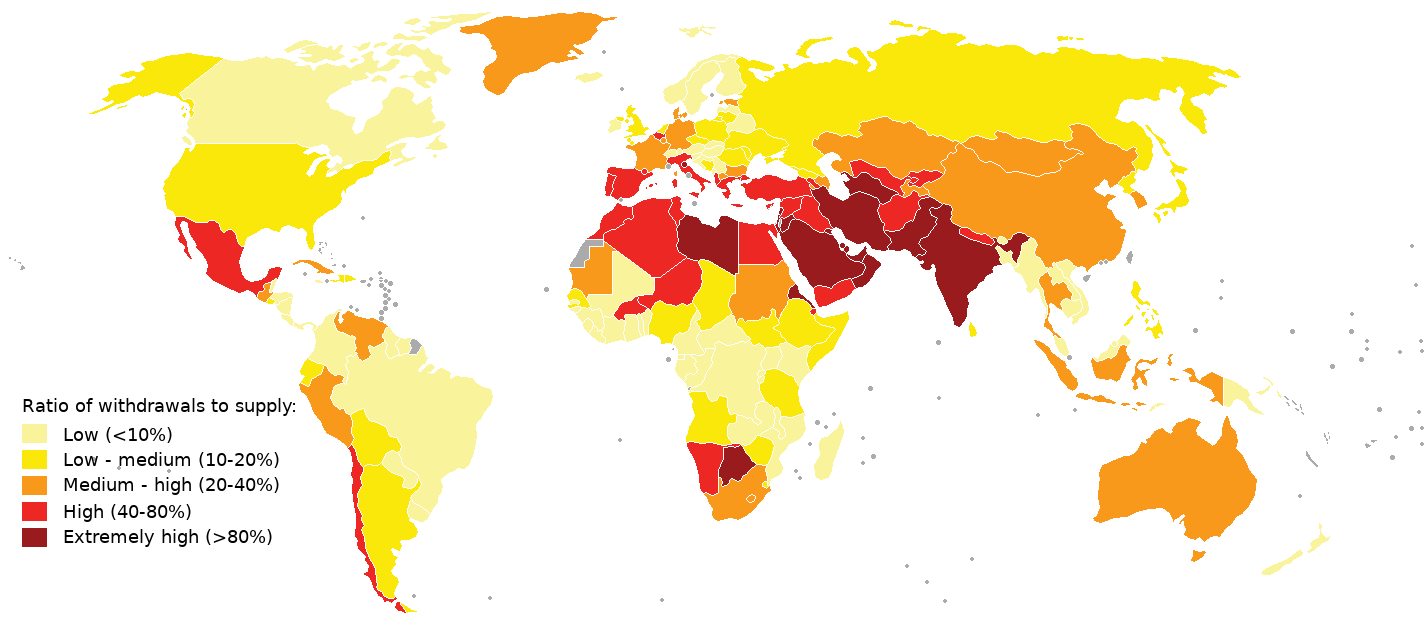
Water scarcity refers to the lack of sufficient fresh water resources to meet the standard water demand in a region. This can be due to physical or economic factors, with physical water scarcity occurring when there is not enough water to meet all demands, including those needed for ecosystems to function. Economic water scarcity results from a lack of investment in infrastructure or technology to draw water from rivers, aquifers, or other water sources. The African Development Bank has launched the African Water Facility, which provides funding and technical assistance to support water infrastructure development in African countries.
🌎 Introduction to Water Scarcity
Water scarcity is a pressing global issue. Physical water scarcity occurs when there is not enough water to meet all demands, including those needed for ecosystems to function. Economic water scarcity results from a lack of investment in infrastructure or technology to draw water from rivers, aquifers, or other water sources.
💧 Types of Water Scarcity
There are two types of water scarcity: physical and economic. Physical water scarcity is often seen in regions with a desert climate. Economic water scarcity is a concern in many areas, with limited access to reliable water sources.
🌍 Regional Water Scarcity
The African Development Bank has launched the African Water Facility, which provides funding and technical assistance to support water infrastructure development in African countries. The European Union has implemented the Water Framework Directive, which aims to improve water quality and reduce water scarcity in EU member states.
📊 Economic Impacts of Water Scarcity
The economic impacts of water scarcity are significant. Water scarcity can have social and environmental impacts, including the displacement of communities and the degradation of ecosystems.
🌈 Solutions to Water Scarcity
To address water scarcity, it is essential to adopt a multi-faceted approach that includes investing in water infrastructure, promoting water conservation, and implementing efficient water management practices. Singapore has implemented a comprehensive water management system, which includes the use of recycled water and desalination, to reduce its reliance on external water sources. Israel has developed innovative technologies to conserve and manage water resources, including the use of drip irrigation and water recycling.
👥 Key People and Organizations
Several organizations are working to address water scarcity worldwide. WaterAid is an international organization that works to provide access to clean water and sanitation in developing countries. UN-Water is a United Nations initiative that coordinates the organization's work on water and sanitation issues.
Key Facts
- Origin
- Global
- Category
- science
- Type
- concept
Frequently Asked Questions
What is water scarcity?
Water scarcity refers to the lack of sufficient fresh water resources to meet the standard water demand in a region. This can be due to physical or economic factors.
What are the types of water scarcity?
There are two types of water scarcity: physical and economic. Physical water scarcity occurs when there is not enough water to meet all demands, including those needed for ecosystems to function. Economic water scarcity results from a lack of investment in infrastructure or technology to draw water from rivers, aquifers, or other water sources.
How can water scarcity be addressed?
To address water scarcity, it is essential to adopt a multi-faceted approach that includes investing in water infrastructure, promoting water conservation, and implementing efficient water management practices.
What is the role of international organizations in addressing water scarcity?
International organizations, such as the United Nations and the African Development Bank, play a crucial role in addressing water scarcity by providing funding, technical assistance, and coordination to support water infrastructure development and water management practices.
What are some examples of successful water management practices?
Examples of successful water management practices include the use of recycled water and desalination, as seen in Singapore, and the development of innovative technologies to conserve and manage water resources, as seen in Israel.
What is the role of the private sector in water management?
The private sector can play a role in water management by investing in water infrastructure, providing technical expertise, and promoting water conservation practices. However, the role of the private sector in water management is also a subject of debate, with some arguing that it can lead to the commodification of water and exacerbate water scarcity.