
Contents
Overview
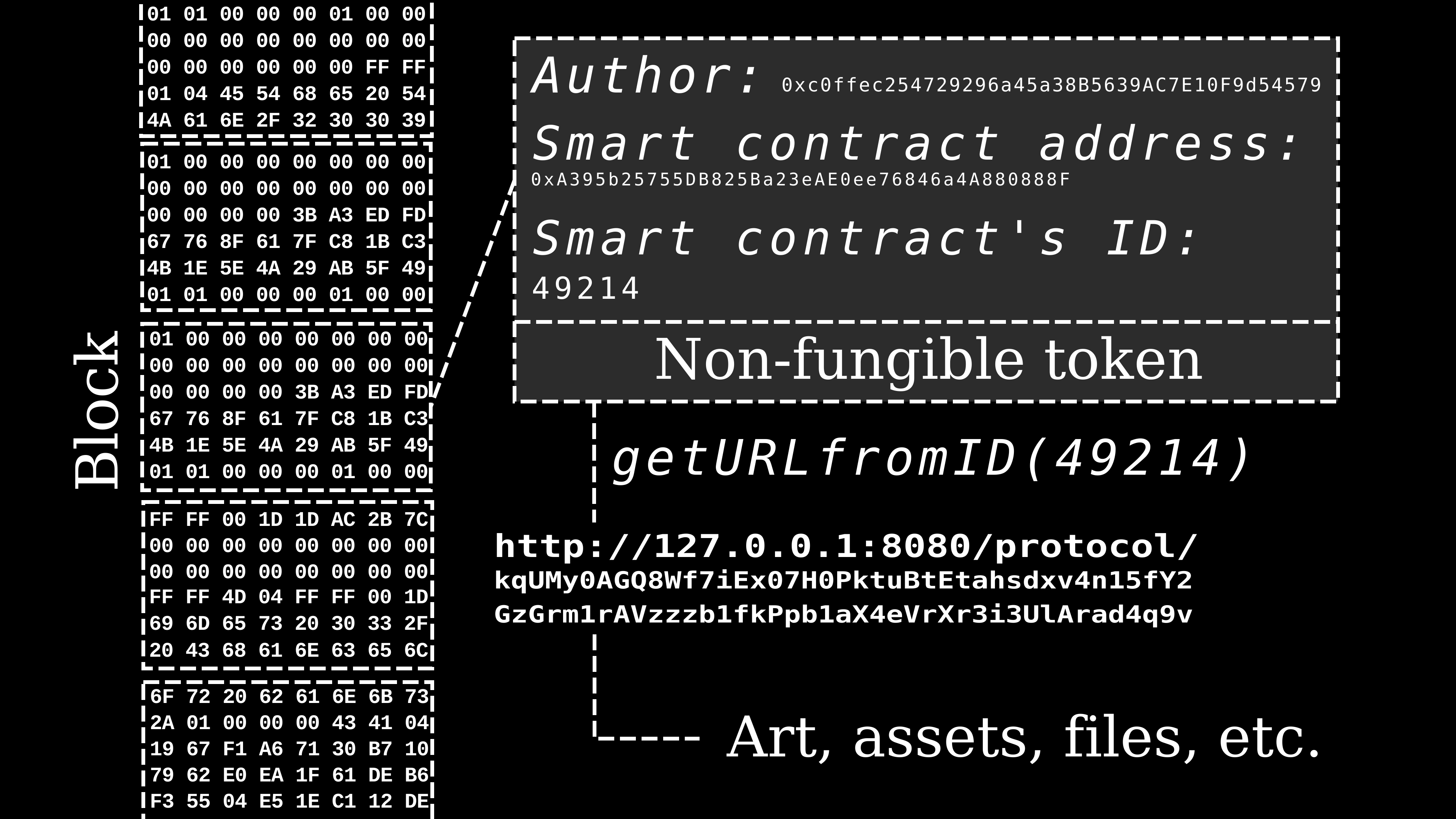
An NFT, or non-fungible token, is a unique digital identifier recorded on a blockchain that certifies ownership and authenticity of digital assets, such as artworks, photos, videos, and audio, differing from cryptocurrencies in their uniqueness and inability to be copied, substituted, or subdivided. The NFT market is expected to continue to evolve, with new use cases and applications emerging. However, the environmental impact of NFTs is a concern due to the energy consumption of blockchain technology. NFTs can be used to represent ownership of any unique digital asset and have a wide range of use cases, from digital collectibles to virtual real estate.
📖 Definition & Core Concept
A non-fungible token (NFT) is a unique digital identifier that is recorded on a blockchain and is used to certify ownership and authenticity. They typically contain references to digital files such as artworks, photos, videos, and audio. Because NFTs are uniquely identifiable, they differ from cryptocurrencies, and as a result they can't be copied, substituted, or subdivided. Their ownership can be transferred by the owner, allowing NFTs to be sold and traded.
🔬 How It Works (Mechanics)
The mechanics of NFTs involve the use of blockchain technology to create and manage the unique digital identifiers. This allows for the creation of a decentralized and transparent market for NFTs, where ownership and scarcity can be verified. The process of creating an NFT typically involves minting a new token on a blockchain, which can be done through platforms like OpenSea or Rarible.
📊 Key Facts, Numbers & Statistics
NFTs can be used to represent ownership of any unique digital asset. They have a wide range of use cases, from digital collectibles to virtual real estate. The environmental impact of NFTs is a concern due to the energy consumption of blockchain technology.
🌍 Real-World Examples & Use Cases
Real-world examples of NFTs include digital artworks, such as CryptoKitties, which allow users to buy, sell, and trade unique digital cats. Other examples include NBA Top Shot, which allows users to buy and sell unique digital collectibles featuring NBA players, and Decentraland, which is a virtual reality platform that allows users to buy and sell digital real estate.
📈 History & Evolution
The NFT market is expected to continue to evolve, with new use cases and applications emerging.
⚡ Current State & Latest Developments
The significance of NFTs lies in their ability to provide a unique digital identifier for ownership and authenticity. However, the environmental impact of NFTs is a concern that needs to be addressed.
🔮 Why It Matters & Future Outlook
Common misconceptions about NFTs include the idea that they are only for digital art, when in fact they can be used to represent ownership of any unique digital asset. Another misconception is that NFTs are only for speculation, when in fact they have a wide range of use cases.
🤔 Common Misconceptions
The future of NFTs is uncertain, but it is clear that they will continue to play a significant role in the digital asset market.
Key Facts
- Origin
- Blockchain technology
- Category
- science
- Type
- concept
- Format
- what-is
Frequently Asked Questions
What is an NFT?
An NFT, or non-fungible token, is a unique digital identifier recorded on a blockchain that certifies ownership and authenticity of digital assets.
How do NFTs work?
NFTs work by using blockchain technology to create and manage unique digital identifiers. This allows for the creation of a decentralized and transparent market for NFTs, where ownership and scarcity can be verified.
What are some examples of NFTs?
Examples of NFTs include digital artworks, such as CryptoKitties, which allow users to buy, sell, and trade unique digital cats. Other examples include NBA Top Shot, which allows users to buy and sell unique digital collectibles featuring NBA players, and Decentraland, which is a virtual reality platform that allows users to buy and sell digital real estate.
What is the future of NFTs?
The future of NFTs is uncertain, but it is clear that they will continue to play a significant role in the digital asset market.
What are the environmental concerns surrounding NFTs?
The environmental impact of NFTs is a concern due to the energy consumption of blockchain technology.