
Contents
Overview
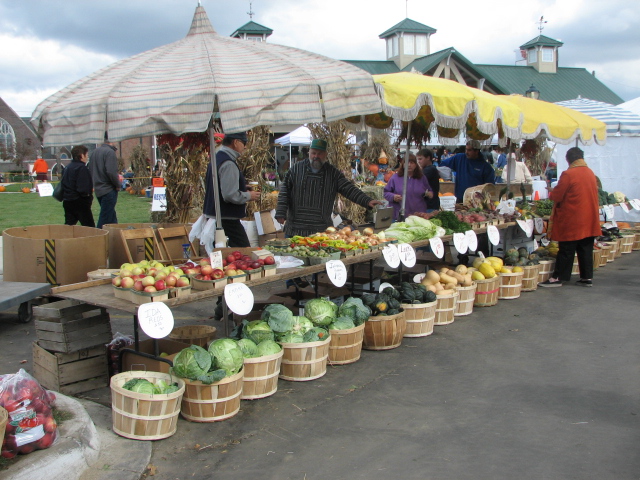
A local farmers market is a physical retail marketplace where farmers sell their produce, live animals, and plants directly to consumers. These markets exist in many countries worldwide, reflecting the local culture and economy. They are distinguished from public markets by their focus on direct sales from farmers to consumers, often with less rigid regulations. Local farmers markets have become increasingly popular, reportedly serving as community hubs, promoting social interaction, education, and economic growth. With the rise of the local food movement, local farmers markets have become essential in supporting local agriculture, preserving rural livelihoods, and fostering a sense of community.
🌾 Origins & History
Origins paragraph — Local farmers markets have a long history, dating back to ancient times when farmers would gather in public spaces to sell their produce. Today, local farmers markets can be found in many countries worldwide.
🏙️ How It Works
How it works — A local farmers market typically operates on a weekly or bi-weekly basis, with farmers setting up stalls or stands to sell their produce, live animals, and plants. These markets often have less rigid regulations than retail produce shops, allowing farmers to sell their products directly to consumers. Many markets also offer additional services, such as cooking demonstrations, workshops, and educational programs, to promote community engagement and education.
📊 Key Facts & Numbers
Key facts — Local farmers markets provide fresh, locally grown produce and serve as community hubs, promoting social interaction, education, and economic growth.
👥 Key People & Organizations
Key people — Willie Nelson, the famous musician, has been a long-time supporter of local farmers markets, advocating for the importance of sustainable agriculture and local food systems. Michael Pollan, a renowned author and journalist, has also been a vocal advocate for the local food movement, highlighting the benefits of supporting local farmers and promoting sustainable agriculture. The National Farmers Union represents the interests of farmers and promotes the development of local farmers markets.
🌍 Cultural Impact & Influence
Cultural impact — Local farmers markets have a significant cultural impact, promoting social interaction, education, and community engagement. They provide a platform for farmers to connect with consumers, share their knowledge, and promote sustainable agriculture practices.
⚡ Current State & Latest Developments
Current state — Local farmers markets are reportedly becoming increasingly popular, with many markets emerging worldwide.
🤔 Controversies & Debates
Controversies — One of the main controversies surrounding local farmers markets is the issue of food safety and regulation. Some critics argue that the lack of regulation in farmers markets can lead to food safety risks, while others argue that the benefits of supporting local agriculture and promoting sustainable food systems outweigh these risks.
🔮 Future Outlook & Predictions
Future outlook — The future of local farmers markets is uncertain, but they are expected to continue playing a role in supporting local agriculture and promoting sustainable food systems.
💡 Practical Applications
Practical applications — Local farmers markets have many practical applications, from providing fresh produce to promoting community engagement and education. They also serve as a platform for farmers to connect with consumers, share their knowledge, and promote sustainable agriculture practices.
Key Facts
- Category
- culture
- Type
- concept