
Contents
Overview
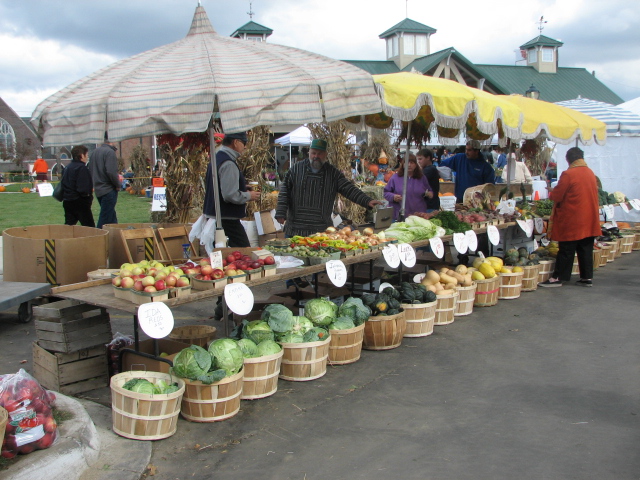
Local farmers markets are physical retail marketplaces where farmers sell their fresh produce, live animals, and plants directly to consumers. They typically operate on a weekly or bi-weekly basis. Many farmers markets also offer educational programs and workshops, which help to promote sustainable agriculture and healthy eating. By supporting local farmers markets, consumers can help promote sustainable agriculture and contribute to the local economy.
🌾 Origins & History
Local farmers markets have a history that dates back to ancient times. However, the exact origin of the first farmers market is unclear. Today, local farmers markets can be found in many countries around the world, each with its own unique character and charm.
🏙️ How It Works
Local farmers markets typically operate on a weekly or bi-weekly basis, with farmers setting up stalls or stands to sell their produce. The markets are usually managed by a local organization or government agency, which oversees the operation and ensures that the markets are run in a fair and safe manner. Consumers can expect to find a wide range of products at local farmers markets, including fresh fruits and vegetables, meats, dairy products, and baked goods. Many markets also offer prepared foods, such as jams, honey, and sauces, as well as crafts and other local products. For instance, the Ferndale Farmers Market in Michigan offers a variety of products, including organic produce, artisanal cheeses, and handmade soaps.
📊 Key Facts & Numbers
Many farmers markets also offer educational programs and workshops, which help to promote sustainable agriculture and healthy eating. For example, the Portland Farmers Market in Oregon offers a variety of educational programs, including a Master Gardener program and a cooking class series.
👥 Key People & Organizations
Key people and organizations involved in local farmers markets include farmers, market managers, and local government agencies. Farmers are the backbone of the market, providing the fresh produce and other products that consumers come to buy. Market managers oversee the operation of the market, ensuring that it is run in a fair and safe manner.
🌍 Cultural Impact & Influence
Some farmers markets offer community programs, such as yoga classes and book clubs. For example, the Boston Public Market in Massachusetts offers a variety of community programs, including a yoga class series and a book club.
⚡ Current State & Latest Developments
The San Francisco Farmers Market in California is working to expand its online presence and offer more convenient payment options for consumers.
🤔 Controversies & Debates
One of the controversies surrounding local farmers markets is the issue of food safety. Some consumers have raised concerns about the safety of the food sold at farmers markets, particularly in regards to the handling and storage of perishable products. However, most farmers markets have strict guidelines and regulations in place to ensure that the food sold is safe and of high quality.
🔮 Future Outlook & Predictions
The future outlook for local farmers markets is uncertain, but many markets are expected to continue operating and adapting to changing consumer needs. Some markets are exploring new technologies, such as online ordering and delivery, to make it easier for consumers to access their products.
💡 Practical Applications
Local farmers markets have many practical applications, from providing fresh produce to promoting sustainable agriculture. They also serve as a community hub, providing a space for people to come together and socialize. Many markets also offer educational programs and workshops, which help to promote healthy eating and sustainable agriculture.
Key Facts
- Category
- culture
- Type
- topic