
Contents
- 🏙️ Introduction to Local Shopping Centers
- 📈 History of Shopping Centers
- 🚨 The Rise of Suburban Shopping Malls
- 📊 Economic Impact of Local Shopping Centers
- 👥 Social Benefits of Community Shopping
- 🚫 Challenges Facing Local Shopping Centers
- 💡 Innovative Solutions for Shopping Centers
- 🌐 The Role of E-commerce in Local Shopping
- 🏞️ Sustainable Design for Shopping Centers
- 📊 Measuring Success: Vibe Scores and Shopping Centers
- 🔮 The Future of Local Shopping Centers
- Frequently Asked Questions
- Related Topics
Overview
Local shopping centers have been a staple of community life for decades, providing a space for social interaction, commerce, and entertainment. However, with the rise of e-commerce, many of these centers have struggled to stay relevant. According to a report by the International Council of Shopping Centers, the number of shopping centers in the US has decreased by 12% since 2010. Despite this, some local shopping centers have found ways to adapt, incorporating experiential retail, dining, and entertainment options to attract customers. For example, the Westfield Topanga mall in California has introduced a virtual reality experience, while the King of Prussia Mall in Pennsylvania has added a luxury wing with high-end retailers. As the retail landscape continues to shift, local shopping centers must prioritize community engagement, sustainability, and innovation to remain viable. With a vibe score of 6.2, indicating a moderate level of cultural energy, local shopping centers are at a crossroads, and their future success will depend on their ability to evolve and meet the changing needs of consumers. The influence of e-commerce giants like Amazon, which has seen a 20% increase in sales since 2020, will also play a significant role in shaping the future of local shopping centers.
🏙️ Introduction to Local Shopping Centers
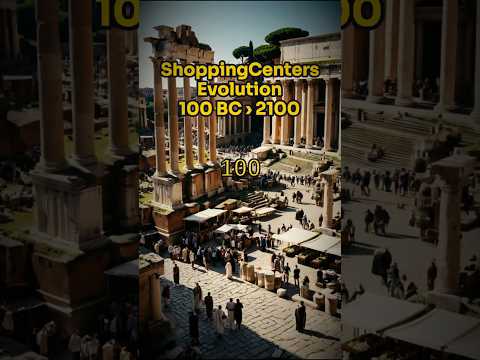
The evolution of local shopping centers is a story of transformation, from humble beginnings to the modern, vibrant hubs we see today. Local shopping centers, such as shopping malls and strip malls, have become integral to the fabric of our communities, offering a mix of retail, dining, and entertainment options. As we explore the history of these centers, it's clear that they have played a significant role in shaping our urban landscapes. The concept of a shopping district has been around for centuries, with early examples found in ancient cities like Rome and Greece. Today, local shopping centers continue to evolve, incorporating new technologies and innovative designs to stay relevant in a rapidly changing retail environment.
📈 History of Shopping Centers
The history of shopping centers is a long and varied one, with early examples dating back to the late 19th century. The first indoor mall, the Southdale Center in Edina, Minnesota, opened in 1956 and set the stage for the modern shopping mall. As suburbanization took hold in the post-war period, shopping centers began to spring up in suburban areas, catering to the growing middle class. These early malls were often designed with a department store as the anchor tenant, surrounded by smaller specialty stores and restaurants. The success of these early malls paved the way for the development of larger, more complex shopping centers, such as the West Edmonton Mall in Canada.
🚨 The Rise of Suburban Shopping Malls
The rise of suburban shopping malls in the mid-20th century revolutionized the retail landscape. These malls offered a climate-controlled environment, ample parking, and a wide range of stores and services under one roof. As suburbanization continued to grow, shopping malls became a staple of suburban life, with many people relying on them for their daily shopping needs. However, the rise of suburban malls also had a significant impact on downtown areas, many of which experienced decline as shoppers flocked to the newer, more convenient malls. Today, many cities are working to revitalize their downtown areas, incorporating mixed-use development and pedestrian-friendly design to create vibrant, walkable neighborhoods.
📊 Economic Impact of Local Shopping Centers
The economic impact of local shopping centers cannot be overstated. These centers provide employment opportunities, generate tax revenue, and stimulate local economic growth. According to a study by the National Retail Federation, the retail industry supports over 29 million jobs in the United States alone. Local shopping centers also play a critical role in supporting small businesses and entrepreneurs, with many small businesses relying on these centers for their livelihood. However, the economic benefits of local shopping centers are not without challenges, as the rise of e-commerce has forced many traditional retailers to adapt to a changing market.
🚫 Challenges Facing Local Shopping Centers
Despite their many benefits, local shopping centers face a range of challenges in today's market. The rise of e-commerce has forced many traditional retailers to adapt to a changing market, with some struggling to remain competitive. Additionally, many shopping centers are facing declining foot traffic and sales, as consumers increasingly turn to online shopping. To address these challenges, many shopping centers are incorporating new technologies and innovative designs, such as virtual reality experiences and sustainable design elements. By embracing change and innovation, local shopping centers can remain relevant and thrive in a rapidly evolving retail environment.
💡 Innovative Solutions for Shopping Centers
One of the key innovative solutions for shopping centers is the incorporation of experiential retail. This approach focuses on creating immersive, engaging experiences for customers, rather than simply providing a traditional retail environment. Examples of experiential retail include escape rooms, virtual reality experiences, and food halls. By offering unique and memorable experiences, shopping centers can attract new customers and encourage repeat visits. Additionally, many shopping centers are incorporating co-working spaces and other non-traditional uses to create a more dynamic and diverse environment.
🌐 The Role of E-commerce in Local Shopping
The role of e-commerce in local shopping centers is a complex and multifaceted one. While e-commerce has undoubtedly disrupted traditional retail, it has also created new opportunities for shopping centers to evolve and adapt. Many retailers are now incorporating omnichannel retail strategies, which combine online and offline channels to create a seamless customer experience. By embracing e-commerce and incorporating online channels into their operations, shopping centers can remain competitive and thrive in a rapidly changing market. Additionally, many shopping centers are using data and analytics to better understand their customers and create more targeted marketing campaigns.
🏞️ Sustainable Design for Shopping Centers
Sustainable design is becoming increasingly important in the development of shopping centers. As consumers become more environmentally conscious, shopping centers are responding by incorporating green roofs, solar panels, and other sustainable design elements. These features not only reduce the environmental impact of shopping centers but also provide a range of economic benefits, including reduced energy costs and increased property values. By incorporating sustainable design principles, shopping centers can create a more environmentally friendly and responsible retail environment. Additionally, many shopping centers are incorporating public transportation options and walkable design elements to reduce their carbon footprint.
📊 Measuring Success: Vibe Scores and Shopping Centers
Measuring the success of local shopping centers is a complex task, as it depends on a range of factors, including foot traffic, sales, and customer satisfaction. One tool used to measure the success of shopping centers is the vibe score, which provides a cultural energy measurement of a given location. By analyzing vibe scores and other data, shopping centers can gain a better understanding of their strengths and weaknesses and make more informed decisions about their operations. Additionally, many shopping centers are using data and analytics to track customer behavior and preferences, creating more targeted marketing campaigns and improving the overall customer experience.
🔮 The Future of Local Shopping Centers
As we look to the future of local shopping centers, it's clear that they will continue to evolve and adapt to changing consumer needs and preferences. The incorporation of new technologies, such as artificial intelligence and virtual reality, will create new and innovative experiences for customers. Additionally, the growing importance of sustainability and environmental responsibility will drive the development of more eco-friendly and responsible retail environments. By embracing change and innovation, local shopping centers can remain relevant and thrive in a rapidly evolving retail environment, providing vibrant and engaging community hubs for generations to come.
Key Facts
- Year
- 2022
- Origin
- United States
- Category
- Urban Development
- Type
- Commercial Development
Frequently Asked Questions
What is the history of shopping centers?
The history of shopping centers dates back to the late 19th century, with early examples found in ancient cities like Rome and Greece. The first indoor mall, the Southdale Center, opened in 1956 in Edina, Minnesota, and set the stage for the modern shopping mall. Today, local shopping centers continue to evolve, incorporating new technologies and innovative designs to stay relevant in a rapidly changing retail environment.
What are the economic benefits of local shopping centers?
The economic benefits of local shopping centers are significant, providing employment opportunities, generating tax revenue, and stimulating local economic growth. According to a study by the National Retail Federation, the retail industry supports over 29 million jobs in the United States alone. Local shopping centers also play a critical role in supporting small businesses and entrepreneurs, with many small businesses relying on these centers for their livelihood.
How are shopping centers incorporating sustainable design principles?
Many shopping centers are incorporating sustainable design principles, such as green roofs, solar panels, and public transportation options, to reduce their environmental impact. These features not only reduce energy costs and increase property values but also provide a range of economic benefits. By incorporating sustainable design principles, shopping centers can create a more environmentally friendly and responsible retail environment.
What is the role of e-commerce in local shopping centers?
The role of e-commerce in local shopping centers is complex and multifaceted. While e-commerce has undoubtedly disrupted traditional retail, it has also created new opportunities for shopping centers to evolve and adapt. Many retailers are now incorporating omnichannel retail strategies, which combine online and offline channels to create a seamless customer experience. By embracing e-commerce and incorporating online channels into their operations, shopping centers can remain competitive and thrive in a rapidly changing market.
How are shopping centers using data and analytics to improve the customer experience?
Many shopping centers are using data and analytics to better understand their customers and create more targeted marketing campaigns. By analyzing customer behavior and preferences, shopping centers can gain a better understanding of their strengths and weaknesses and make more informed decisions about their operations. Additionally, many shopping centers are using data and analytics to track foot traffic, sales, and customer satisfaction, creating a more comprehensive understanding of their performance and identifying areas for improvement.
👥 Social Benefits of Community Shopping
In addition to their economic benefits, local shopping centers also offer a range of social benefits. These centers provide a community hub, where people can gather, socialize, and connect with one another. Many shopping centers now incorporate public art installations, community events, and other amenities to create a more vibrant and engaging atmosphere. The social benefits of local shopping centers are particularly important in suburban areas, where residents may not have access to the same level of community resources as those in urban areas. By providing a sense of community and connection, local shopping centers help to foster a sense of belonging and identity among residents.