
Contents
Overview
The Los Angeles River, historically known as Paayme Paxaayt or Río Porciúncula, is a river in Los Angeles County, California, flowing from the Simi Hills and Santa Susana Mountains to its mouth in Long Beach. The river has played a crucial role in the development of the city, providing water for irrigation, drinking, and other uses. Today, the river faces several challenges, including pollution and habitat destruction. As of 2024, the river continues to be a topic of discussion, with ongoing efforts to revitalize and restore its natural habitats. The river's cultural significance is evident in its inspiration of numerous artistic and literary works, including films, books, and music.
🌊 Origins & History
The Los Angeles River has a rich and diverse history, with evidence of human habitation dating back over 10,000 years. The Tongva people, indigenous to the region, called the river Paayme Paxaayt, or 'West River'. The Spanish, who arrived in the 18th century, renamed it Río Porciúncula, after the Porciúncula River in Spain. The river's flow is managed by a system of dams, reservoirs, and channels, with water being diverted for irrigation, drinking, and other uses.
🚧 How It Works
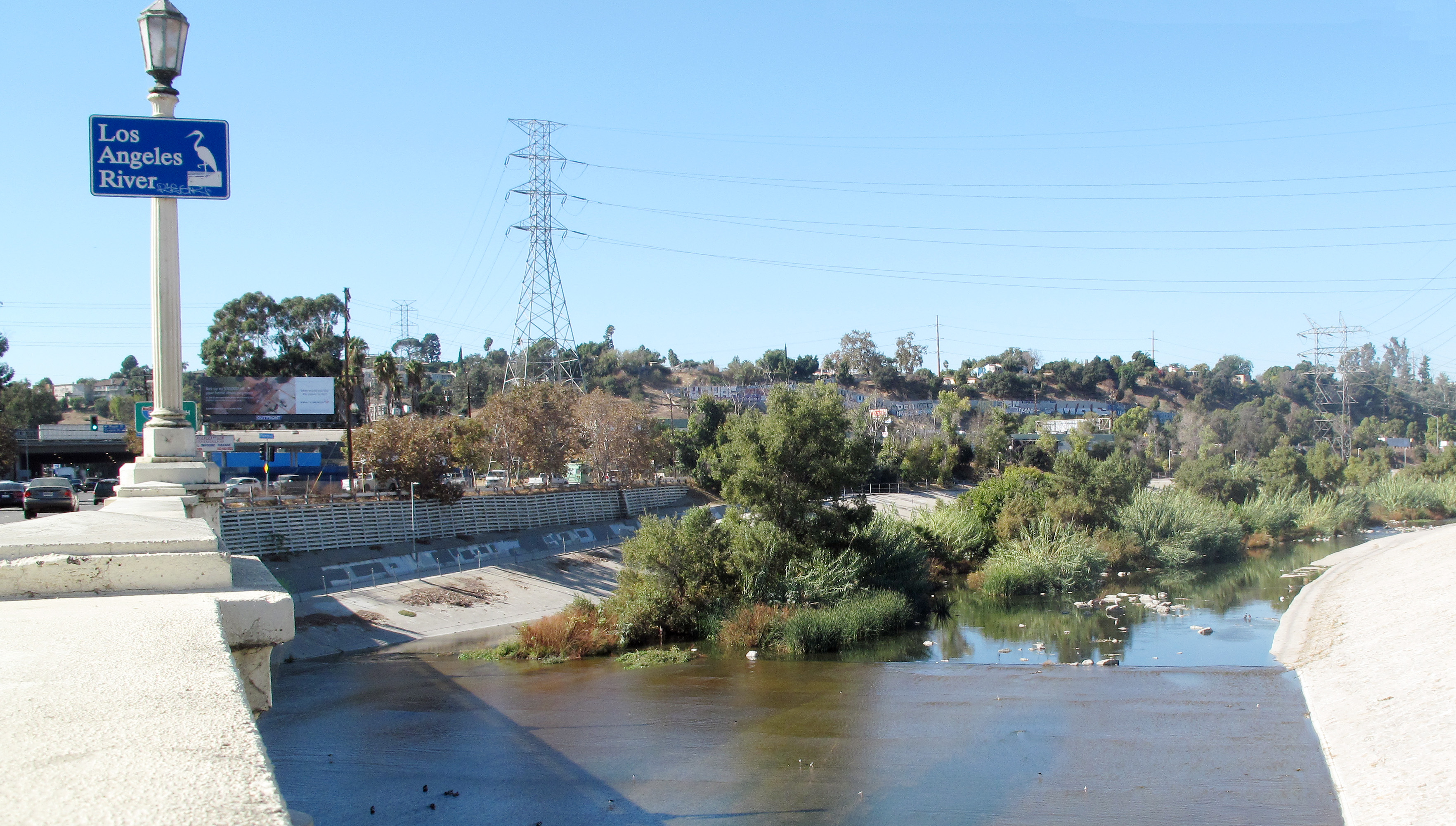
The Los Angeles River flows through a concrete channel, built in the 1930s and 1940s, after a series of devastating floods in the early 20th century. The channel is designed to control flooding and provide a stable water supply, but it has also had significant environmental impacts, including habitat destruction. The river's water quality is monitored by the Los Angeles County Department of Public Health, with regular testing for pollutants.
📊 Key Facts & Numbers
The Los Angeles River is home to a diverse range of plant and animal species. The river's water quality is also an important consideration, with several industries relying on the river for water. The river is an important transportation route, with several bridges and highways crossing it.
👥 Key People & Organizations
Several key people and organizations have played a significant role in the history and management of the Los Angeles River. The Tongva people have a deep spiritual connection to the river and its surrounding landscape. The Los Angeles River Revitalization Corporation and the Friends of the Los Angeles River work to restore and protect the river's natural habitats.
🌍 Cultural Impact & Influence
The Los Angeles River has had a significant cultural and environmental impact on the region. The river has been the subject of numerous artistic and literary works, including films, books, and music. The river's cultural significance is evident in its inspiration of numerous artistic and literary works.
⚡ Current State & Latest Developments
As of 2024, the Los Angeles River continues to face several challenges, including pollution and habitat destruction. Efforts are underway to restore and protect the river's natural habitats, including the creation of new parks and green spaces along its banks.
🤔 Controversies & Debates
The Los Angeles River is the subject of several controversies and debates, including the impact of the concrete channel on the river's natural habitats. The river is also the site of several conflicts over land use, including the development of new housing and commercial projects along its banks.
🔮 Future Outlook & Predictions
The future of the Los Angeles River is uncertain, with several competing visions for its restoration and development. Some advocates propose restoring the river to its natural state, while others propose developing the river as a recreational and commercial destination.
💡 Practical Applications
The Los Angeles River has several practical applications, including irrigation, drinking water, and outdoor recreation. The river is also an important transportation route, with several bridges and highways crossing it.
Key Facts
- Category
- history
- Type
- topic