
Contents
Overview
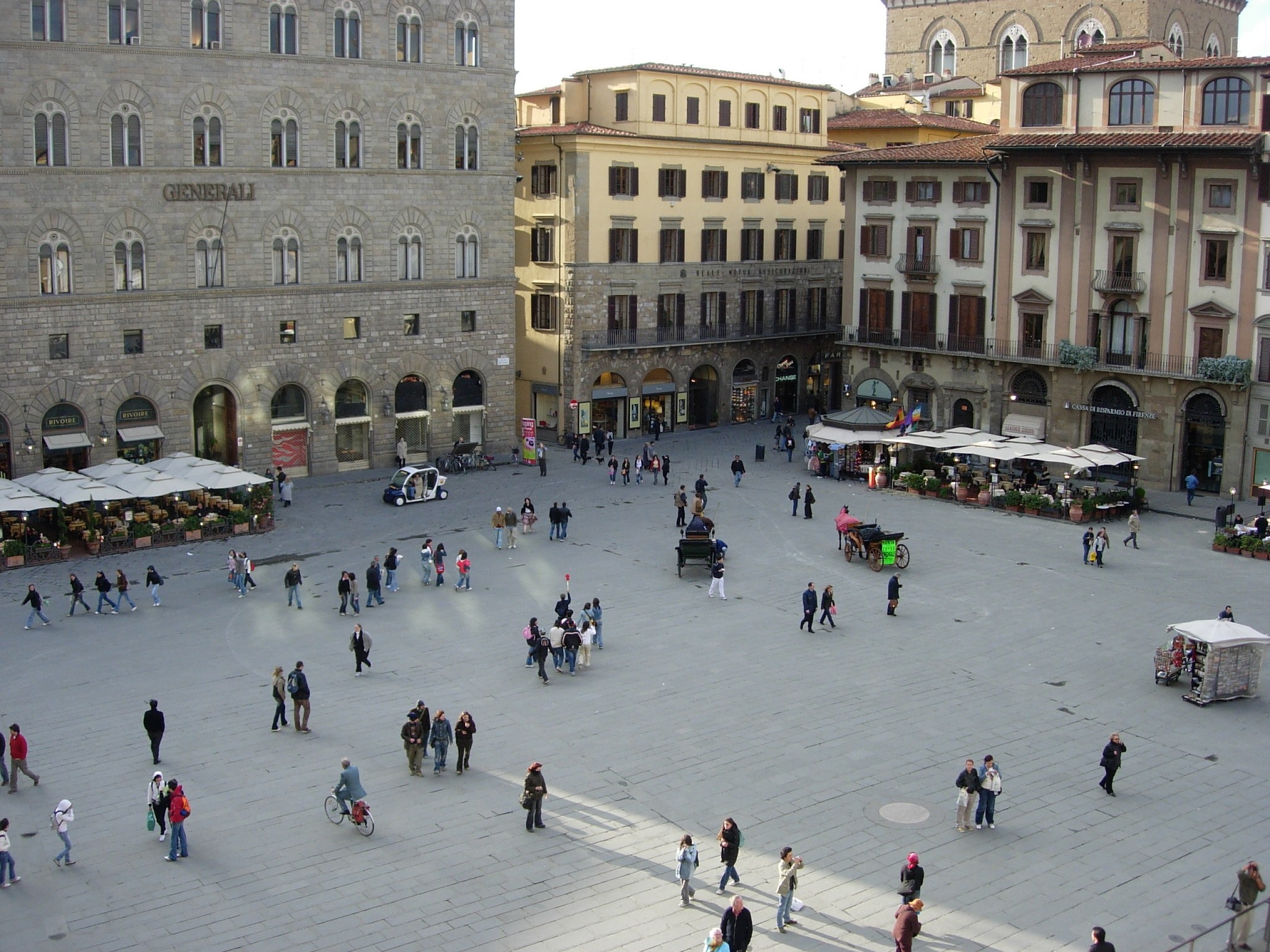
A public plaza, also known as a town square or city square, is an open public space commonly found in the heart of a traditional town or city, used for community gatherings, events, and as a hub for local commerce and politics. The concept of public plazas continues to evolve, with modern designs incorporating sustainable materials, green spaces, and innovative technologies to create vibrant and inclusive community hubs. From the ancient Agora in Greece to the modern Times Square in New York City, public plazas have played a role in shaping urban culture and society.
🏙️ Origins & History
The concept of public plazas evolved over time, with the Renaissance period seeing a resurgence in the construction of grand public spaces in European cities. The Agora in ancient Greece and the Forum Romanum in ancient Rome were hubs for commerce, politics, and social activity, and were often surrounded by important buildings such as temples, basilicas, and markets.
📈 How It Works
Public plazas are designed to be accessible and inclusive, with amenities such as seating, lighting, and restrooms. The urban planning of public plazas takes into account factors such as pedestrian traffic, public transportation, and accessibility, with the goal of creating a safe and welcoming environment for visitors. For example, the Piazza del Campo in Siena, Italy, is a well-known example of a public plaza that has been designed to prioritize pedestrian traffic and community activity, and features a unique shell-shaped piazza design.
📊 Key Facts & Numbers
Public plazas can be found in cities of all sizes, from small towns to major metropolitan areas. The New York City Department of Parks and Recreation is responsible for maintaining and improving the city's public plazas, including the Times Square and the Union Square, and has implemented various initiatives to enhance the public plaza experience, such as the green roof and rain garden installations.
👥 Key People & Organizations
The Montmartre neighborhood in Paris, France, is known for its vibrant public plazas and artistic community. The Bryant Park in New York City has been transformed into a vibrant public space, featuring a green roof, a rain garden, and a variety of public art installations.
🌍 Cultural Impact & Influence
The Singapore government has launched a number of initiatives to create vibrant and inclusive public plazas, including the Smart Nation initiative. Public plazas can serve as public art installations, performance venues, and tourist attractions.
⚡ Current State & Latest Developments
The current state of public plazas is one of evolution and innovation, with many cities incorporating sustainable materials, green spaces, and innovative technologies into their public plaza designs.
🤔 Controversies & Debates
Despite their many benefits, public plazas are not without controversy. Some of the debates and controversies surrounding public plazas include issues of public safety, gentrification, and accessibility.
🔮 Future Outlook & Predictions
Looking to the future, public plazas are likely to continue to play a vital role in the social, cultural, and economic life of cities. As cities continue to grow and evolve, public plazas will need to adapt to meet the changing needs of communities, from incorporating sustainable materials and green spaces to providing innovative technologies and amenities.
💡 Practical Applications
Practical applications of public plazas include their use as community hubs, event spaces, and tourist attractions.
Key Facts
- Category
- culture
- Type
- concept