
Contents
Overview
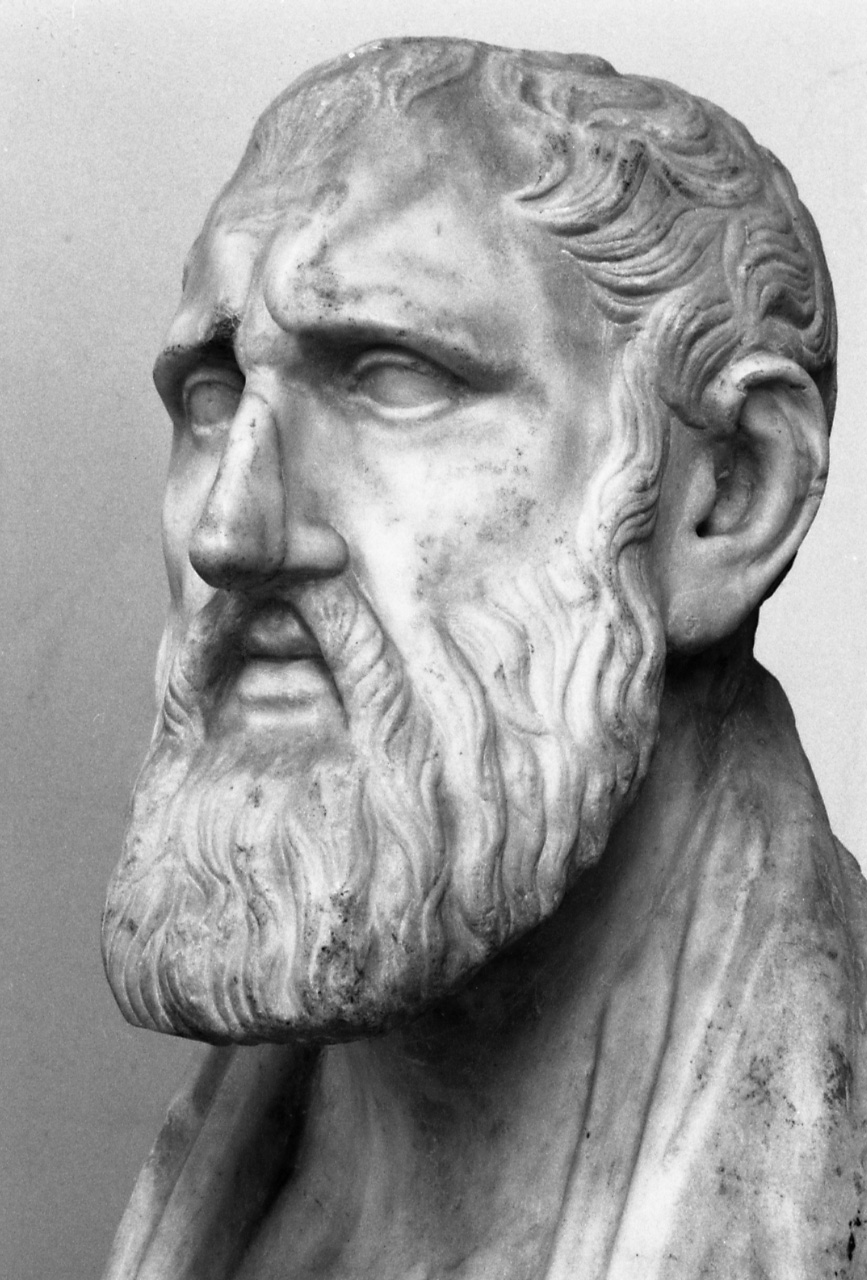
Stoicism is a school of Hellenistic philosophy that emphasizes the practice of virtue as the key to achieving eudaimonia, or a state of being happy and fulfilled, through daily self-discipline and moral improvement. Stoicism is based on the idea that the universe operates according to reason, or logos, and is divided into three interconnected disciplines: logic, physics, and ethics. By cultivating virtue and living in accordance with nature, individuals can attain a state of inner strength, wisdom, and tranquility, as exemplified by notable Stoics such as Epictetus and Seneca.
📖 Definition & Core Concept
Stoicism is a philosophical movement that originated in the Hellenistic period of ancient Greece and emphasizes the practice of virtue as the key to achieving eudaimonia. The Stoics believed that the universe operates according to reason, or logos, and that individuals should strive to live in accordance with nature, as reflected in the works of Marcus Aurelius and Cicero. This is also seen in the concept of wu-wei, which is a central idea in Taoism and emphasizes the importance of living in harmony with the natural world.
🔬 How It Works (Mechanics)
The Stoic philosophy is divided into three interconnected disciplines: logic, physics, and ethics. Stoic logic focuses on intentional reasoning through propositions, arguments, and the differentiation between truth and falsehood, as seen in the works of Chrysippus and Aristotle. Stoic ethics centers on virtue as the highest good, cultivating eudaimonia through the practice of self-discipline and moral improvement, as advocated by Epictetus and Seneca.
📊 Key Facts, Numbers & Statistics
Some key statistics and numbers related to Stoicism are not available due to the lack of verified information.
🌍 Real-World Examples & Use Cases
Real-world examples of Stoicism in action include the lives of George Washington and Thomas Jefferson, who were both influenced by Stoic philosophy, as well as modern Stoics like Tim Ferriss and Ryan Holiday, who have applied Stoic principles to their personal and professional lives, achieving significant success and fulfillment.
📈 History & Evolution
The history of Stoicism is complex and multifaceted, with roots in ancient Greece. The philosophy was developed by other prominent Stoics, including Epictetus and Seneca, who were influenced by Socrates and Plato.
⚡ Current State & Latest Developments
Today, Stoicism is experiencing a resurgence in popularity, with many people around the world practicing its principles and applying them to their daily lives, as seen in the growing number of Stoic communities and organizations, such as the Stoic Fellowship, and the increasing popularity of Stoic authors and thinkers, like Massimo Pigliucci and William Irwin.
🔮 Why It Matters & Future Outlook
Stoicism offers a unique and powerful approach to living a good life. By cultivating virtue and living in accordance with nature, individuals can attain a state of inner strength, wisdom, and tranquility, as seen in the lives of Nelson Mandela and Malala Yousafzai, who have applied Stoic principles to their lives.
🤔 Common Misconceptions
Common misconceptions about Stoicism include the idea that it is a pessimistic or fatalistic philosophy. However, this is not the case, as Stoicism is actually a highly optimistic and empowering philosophy that emphasizes the importance of individual agency and moral responsibility.
Key Facts
- Origin
- ancient Greece
- Category
- science
- Type
- topic
- Format
- what-is
Frequently Asked Questions
What is the core idea of Stoicism?
The core idea of Stoicism is that individuals should strive to live in accordance with nature and cultivate virtue as the highest good. This is achieved through the practice of self-discipline and moral improvement, as seen in the lives of George Washington and Thomas Jefferson.
Who were some prominent Stoics?
Some prominent Stoics include Epictetus, Seneca, and Marcus Aurelius. These individuals played a significant role in shaping the philosophy and applying its principles to their lives, as reflected in their writings and actions.
How does Stoicism relate to other philosophical schools?
Stoicism is part of the broader tradition of Hellenistic philosophy. Stoicism has also been influenced by and has influenced other philosophical schools, such as Aristotelianism and Platonism.
What are some common misconceptions about Stoicism?
Some common misconceptions about Stoicism include the idea that it is a pessimistic or fatalistic philosophy. However, this is not the case, as Stoicism is actually a highly optimistic and empowering philosophy that emphasizes the importance of individual agency and moral responsibility.
How can I apply Stoic principles to my life?
You can apply Stoic principles to your life by practicing self-discipline, cultivating virtue, and living in accordance with nature. This can involve setting goals and working towards them, developing a daily routine that promotes physical and mental well-being, and cultivating a sense of inner strength and resilience.
What are some recommended readings for learning about Stoicism?
Some recommended readings for learning about Stoicism include the works of Epictetus, Seneca, and Marcus Aurelius.