
Contents
- 🌎 Introduction to Climate Change
- 📽️ The Documentary: An Inconvenient Truth
- 🌪️ Understanding Global Warming
- 📊 Climate Change by the Numbers
- 🌍 The Impact on Global Ecosystems
- 🏭 Human Activities and Greenhouse Gases
- 📢 The Role of Media and Public Awareness
- 👥 Key Players in the Climate Change Movement
- 📈 Climate Change Mitigation and Adaptation
- 🕊️ The Future of Climate Change Research
- 🌟 Call to Action: What Can We Do?
- 📚 Conclusion: The Unsettling Reality of Climate Change
- Frequently Asked Questions
- Related Topics
Overview
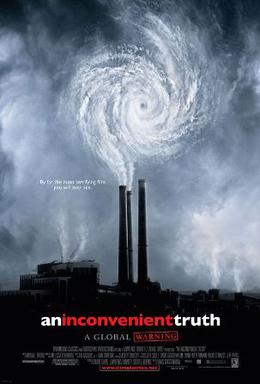
An Inconvenient Truth, a documentary film released in 2006, brought climate change to the forefront of global discussion, with former US Vice President Al Gore presenting compelling evidence of its devastating impact. The film's release sparked a wave of controversy, with some critics labeling it as alarmist, while others hailed it as a wake-up call. Despite the controversy, the film's influence can be seen in the work of climate activists such as Greta Thunberg, who has continued to sound the alarm on the urgent need for climate action. The film's central argument, that human activities are significantly contributing to global warming, has been supported by numerous scientific studies, including those by the Intergovernmental Panel on Climate Change (IPCC). However, the topic remains a highly contested and politicized issue, with some arguing that the economic costs of transitioning to renewable energy outweigh the benefits. As the world continues to grapple with the challenges of climate change, the inconvenient truth remains that immediate and drastic action is necessary to mitigate its effects, with the IPCC warning that global emissions must be cut by 45% by 2030 to avoid the most catastrophic consequences.
🌎 Introduction to Climate Change
The issue of climate change has become a pressing concern in recent years, with many experts and scientists weighing in on the topic. Climate Change is a complex and multifaceted issue that affects not only the environment, but also human societies and economies. According to Al Gore, the former vice president of the United States, climate change is one of the most critical issues of our time. In his documentary, An Inconvenient Truth, Gore presents a compelling case for the urgency of addressing climate change. The film features a slide show that, by Gore's own estimate, he has presented over 1,000 times to audiences worldwide, highlighting the importance of Global Warming and its impact on our planet.
📽️ The Documentary: An Inconvenient Truth
The documentary An Inconvenient Truth was released in 2006 and was directed by Davis Guggenheim. The film follows Gore as he travels the world, presenting his slide show and speaking to audiences about the dangers of climate change. The film also features interviews with scientists and experts in the field, including James Hansen and NASA researchers. Through the film, Gore aims to educate people about the science behind climate change and the urgent need for action to mitigate its effects. The film has been widely praised for its clarity and accessibility, making complex scientific concepts easy to understand for a broad audience, including those interested in Environmental Science.
🌪️ Understanding Global Warming
So, what is Global Warming? Simply put, it refers to the long-term rise in the average surface temperature of the Earth due to the increasing levels of Greenhouse Gases in the atmosphere. These gases, such as carbon dioxide and methane, trap heat from the sun and prevent it from being released back into space, leading to a warming effect on the planet. The main cause of global warming is human activities, such as burning Fossil Fuels and deforestation, which release large amounts of greenhouse gases into the atmosphere. This has serious consequences, including more frequent and severe Heat Waves, Droughts, and Storms.
📊 Climate Change by the Numbers
The numbers are stark: according to the IPCC, the global average temperature has risen by about 1°C since the late 19th century. The NOAA reports that the 20 warmest years on record have all occurred since 1981, and the five warmest years have all occurred since 2010. The consequences of climate change are far-reaching and devastating, from more frequent and severe Natural Disasters to impacts on Agriculture and Human Health. The economic costs of climate change are also significant, with estimates suggesting that it could cost the global economy trillions of dollars in the coming decades. This is why it's essential to understand the science behind Climate Modeling and the importance of Renewable Energy.
🌍 The Impact on Global Ecosystems
The impact of climate change on global ecosystems is profound. Rising Sea Levels are causing coastal erosion and flooding, while changes in temperature and precipitation patterns are altering the distribution and abundance of plants and animals. The consequences for Biodiversity are severe, with many species facing extinction due to habitat loss and disruption. The Amazon Rainforest, for example, is facing unprecedented threats from deforestation and climate change, which could have catastrophic consequences for the planet. This is why it's crucial to support Conservation Efforts and protect our Natural Resources.
🏭 Human Activities and Greenhouse Gases
Human activities are the primary cause of climate change, with the burning of Fossil Fuels and land use changes, such as deforestation, being the largest contributors to greenhouse gas emissions. The production and consumption of Meat, particularly beef, is also a significant contributor to climate change, due to the release of methane and other greenhouse gases from livestock. The good news is that there are many ways to reduce our carbon footprint, from using Public Transportation and driving electric or hybrid vehicles to reducing our energy consumption and eating a plant-based diet. This is where Sustainable Living comes in, and why it's essential to adopt Eco-Friendly practices in our daily lives.
📢 The Role of Media and Public Awareness
The role of media and public awareness in addressing climate change is critical. The documentary An Inconvenient Truth is just one example of how media can be used to educate people about the issue and inspire action. Social media platforms, such as Twitter and Facebook, have also played a significant role in raising awareness about climate change and mobilizing people to take action. However, there is still much work to be done to ensure that the public is fully informed and engaged on the issue. This is why it's essential to support Environmental Journalism and stay up-to-date with the latest news and research on Climate Change.
👥 Key Players in the Climate Change Movement
There are many key players in the climate change movement, from scientists and activists to policymakers and business leaders. Al Gore is just one example of a prominent figure who has dedicated his career to addressing climate change. Other notable figures include Greta Thunberg, a young climate activist who has inspired millions of people around the world to take action, and Leonardo DiCaprio, an actor and environmentalist who has produced several documentaries on the topic. The UNFCCC and the IPCC are also critical organizations in the fight against climate change, providing a framework for international cooperation and scientific research on the issue.
📈 Climate Change Mitigation and Adaptation
So, what can we do to mitigate the effects of climate change? The answer is complex, but there are many steps that individuals, communities, and governments can take to reduce greenhouse gas emissions and adapt to the changing climate. This includes transitioning to Renewable Energy sources, such as solar and wind power, and increasing energy efficiency in buildings and transportation. It also includes protecting and restoring natural ecosystems, such as forests and wetlands, which play a critical role in absorbing carbon dioxide and mitigating the effects of climate change. This is where Climate Resilience comes in, and why it's essential to develop Sustainable Infrastructure.
🕊️ The Future of Climate Change Research
The future of climate change research is critical to addressing the issue. Scientists are working to improve our understanding of the climate system and to develop new technologies and strategies for mitigating and adapting to climate change. This includes research on Climate Modeling, Renewable Energy, and Carbon Capture and storage. It also includes the development of new materials and technologies, such as advanced batteries and green building materials, which can help to reduce greenhouse gas emissions and improve energy efficiency. The NSF and the NIH are just two examples of organizations that are supporting research on climate change and its impacts on human health.
🌟 Call to Action: What Can We Do?
So, what can you do to make a difference? The answer is simple: take action. Whether it's reducing your carbon footprint, supporting organizations that are working to address climate change, or advocating for policies that promote sustainability, every individual can play a role in mitigating the effects of climate change. The key is to start small and to be consistent, whether it's by making changes in your daily life or by supporting larger efforts to address the issue. This is where Community Engagement comes in, and why it's essential to participate in Environmental Activism.
📚 Conclusion: The Unsettling Reality of Climate Change
In conclusion, the unsettling reality of climate change is a pressing concern that requires immediate attention and action. The science is clear: human activities are causing the Earth's temperature to rise, with devastating consequences for the environment, human health, and the economy. But there is hope: by working together and taking action to reduce greenhouse gas emissions and adapt to the changing climate, we can mitigate the effects of climate change and create a more sustainable future for all. This is why it's essential to stay informed about Climate Change and to support Environmental Education initiatives.
Key Facts
- Year
- 2006
- Origin
- United States
- Category
- Environmental Science
- Type
- Documentary Film
Frequently Asked Questions
What is climate change?
Climate change refers to the long-term rise in the average surface temperature of the Earth due to the increasing levels of greenhouse gases in the atmosphere. This has serious consequences, including more frequent and severe heat waves, droughts, and storms. According to the IPCC, the global average temperature has risen by about 1°C since the late 19th century. The consequences of climate change are far-reaching and devastating, from more frequent and severe natural disasters to impacts on agriculture and human health. This is why it's essential to understand the science behind Climate Modeling and the importance of Renewable Energy.
What is the main cause of global warming?
The main cause of global warming is human activities, such as burning fossil fuels and deforestation, which release large amounts of greenhouse gases into the atmosphere. The production and consumption of meat, particularly beef, is also a significant contributor to climate change, due to the release of methane and other greenhouse gases from livestock. The good news is that there are many ways to reduce our carbon footprint, from using public transportation and driving electric or hybrid vehicles to reducing our energy consumption and eating a plant-based diet. This is where Sustainable Living comes in, and why it's essential to adopt Eco-Friendly practices in our daily lives.
What can I do to mitigate the effects of climate change?
There are many steps that individuals, communities, and governments can take to reduce greenhouse gas emissions and adapt to the changing climate. This includes transitioning to renewable energy sources, such as solar and wind power, and increasing energy efficiency in buildings and transportation. It also includes protecting and restoring natural ecosystems, such as forests and wetlands, which play a critical role in absorbing carbon dioxide and mitigating the effects of climate change. This is where Climate Resilience comes in, and why it's essential to develop Sustainable Infrastructure.
What is the role of media and public awareness in addressing climate change?
The role of media and public awareness in addressing climate change is critical. The documentary An Inconvenient Truth is just one example of how media can be used to educate people about the issue and inspire action. Social media platforms, such as Twitter and Facebook, have also played a significant role in raising awareness about climate change and mobilizing people to take action. However, there is still much work to be done to ensure that the public is fully informed and engaged on the issue. This is why it's essential to support Environmental Journalism and stay up-to-date with the latest news and research on Climate Change.
Who are some key players in the climate change movement?
There are many key players in the climate change movement, from scientists and activists to policymakers and business leaders. Al Gore is just one example of a prominent figure who has dedicated his career to addressing climate change. Other notable figures include Greta Thunberg, a young climate activist who has inspired millions of people around the world to take action, and Leonardo DiCaprio, an actor and environmentalist who has produced several documentaries on the topic. The UNFCCC and the IPCC are also critical organizations in the fight against climate change, providing a framework for international cooperation and scientific research on the issue.
What is the future of climate change research?
The future of climate change research is critical to addressing the issue. Scientists are working to improve our understanding of the climate system and to develop new technologies and strategies for mitigating and adapting to climate change. This includes research on climate modeling, renewable energy, and carbon capture and storage. It also includes the development of new materials and technologies, such as advanced batteries and green building materials, which can help to reduce greenhouse gas emissions and improve energy efficiency. The NSF and the NIH are just two examples of organizations that are supporting research on climate change and its impacts on human health.
How can I make a difference in addressing climate change?
The answer is simple: take action. Whether it's reducing your carbon footprint, supporting organizations that are working to address climate change, or advocating for policies that promote sustainability, every individual can play a role in mitigating the effects of climate change. The key is to start small and to be consistent, whether it's by making changes in your daily life or by supporting larger efforts to address the issue. This is where Community Engagement comes in, and why it's essential to participate in Environmental Activism.