
Contents
- 🎨 Introduction to Avant Garde
- 📚 Historical Context of Avant Garde
- 👥 Key Figures in Avant Garde
- 🖌️ Characteristics of Avant Garde Art
- 📝 Avant Garde Literature and Poetry
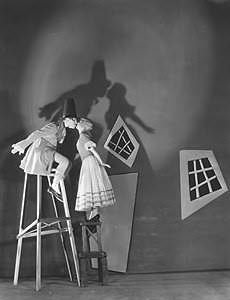
- 🎭 Avant Garde Theater and Performance
- 🎵 Avant Garde Music and Sound
- 🤔 Controversies and Criticisms of Avant Garde
- 🌐 Influence of Avant Garde on Modern Culture
- 📊 Vibe Score and Cultural Impact
- 👀 Future of Avant Garde
- Frequently Asked Questions
- Related Topics
Overview
The avant garde movement, which emerged in the late 19th century, is characterized by its rejection of traditional norms and conventions in art, literature, music, and film. With a vibe rating of 8, this movement has been shaped by key figures such as Marcel Duchamp, Andy Warhol, and John Cage, who have pushed the boundaries of creative expression. The controversy surrounding avant garde works, such as Duchamp's 'Fountain' (1917), has sparked intense debates about the nature of art and its role in society. As a cultural phenomenon, avant garde has influenced a wide range of fields, from fashion to architecture, and continues to inspire new generations of artists and thinkers. With a controversy spectrum of 6, the avant garde movement remains a topic of intense discussion and exploration. As we look to the future, it will be interesting to see how avant garde continues to evolve and challenge our understanding of art and culture, potentially leading to new and innovative forms of creative expression that will redefine the boundaries of human imagination.
🎨 Introduction to Avant Garde
The term Avant Garde refers to an experimental genre or work of art that is aesthetically innovative and often ideologically unacceptable to the artistic establishment of the time. This concept is closely related to the idea of Innovation and Creativity, which are essential components of avant-garde art. The military metaphor of an advance guard identifies the artists and writers whose innovations in style, form, and subject-matter challenge the artistic and aesthetic validity of the established forms of art and the literary traditions of their time. For example, the Surrealist movement, led by artists like Salvador Dali, was a key component of the avant-garde movement. The avant-garde movement has also been influenced by Futurism and Dadaism, which were both characterized by their rejection of traditional artistic forms.
📚 Historical Context of Avant Garde
The historical context of avant-garde is closely tied to the Modern Art movement, which emerged in the late 19th and early 20th centuries. This movement was characterized by its rejection of traditional artistic forms and its emphasis on Experimentation and Innovation. The avant-garde movement was also influenced by the Industrial Revolution, which had a profound impact on the way people lived and worked. For example, the Cubist movement, led by artists like Pablo Picasso, was a key component of the avant-garde movement. The avant-garde movement has also been influenced by Socialism and Anarchism, which were both characterized by their rejection of traditional social and political forms.
👥 Key Figures in Avant Garde
There have been many key figures in the avant-garde movement, including artists, writers, and musicians. For example, the artist Marcel Duchamp was a key figure in the Dadaist movement, which was characterized by its rejection of traditional artistic forms. The writer James Joyce was also a key figure in the avant-garde movement, and his novel Ulysses is considered one of the most important works of Modern Literature. The musician John Cage was also a key figure in the avant-garde movement, and his music is characterized by its use of Indeterminacy and Chance. The avant-garde movement has also been influenced by Feminism and Postcolonialism, which have both had a profound impact on the way we think about art and culture.
🖌️ Characteristics of Avant Garde Art
Avant-garde art is characterized by its use of Experimentation and Innovation. This can involve the use of new materials and techniques, as well as the creation of new forms and styles. For example, the artist Jackson Pollock was known for his use of Action Painting, which involved dripping and splashing paint onto a canvas. The artist Andy Warhol was also a key figure in the avant-garde movement, and his use of Pop Art and Silkscreen Printing helped to create a new kind of art that was more accessible and more commercial. The avant-garde movement has also been influenced by Technology, which has had a profound impact on the way we create and experience art.
📝 Avant Garde Literature and Poetry
Avant-garde literature and poetry are characterized by their use of Experimentation and Innovation. This can involve the use of new forms and styles, as well as the creation of new kinds of language and narrative. For example, the writer Virginia Woolf was known for her use of Stream-of-Consciousness narrative, which involved creating a fluid and unstructured kind of prose. The writer Samuel Beckett was also a key figure in the avant-garde movement, and his use of Absurdism and Minimalism helped to create a new kind of literature that was more sparse and more enigmatic. The avant-garde movement has also been influenced by Philosophy, which has had a profound impact on the way we think about language and reality.
🎭 Avant Garde Theater and Performance
Avant-garde theater and performance are characterized by their use of Experimentation and Innovation. This can involve the use of new forms and styles, as well as the creation of new kinds of drama and spectacle. For example, the theater company The Living Theatre was known for its use of Improvisation and Audience Participation, which involved creating a more dynamic and more interactive kind of theater. The performance artist Marina Abramovic was also a key figure in the avant-garde movement, and her use of Body Art and Endurance Art helped to create a new kind of performance that was more physical and more demanding. The avant-garde movement has also been influenced by Anthropology, which has had a profound impact on the way we think about culture and identity.
🎵 Avant Garde Music and Sound
Avant-garde music and sound are characterized by their use of Experimentation and Innovation. This can involve the use of new forms and styles, as well as the creation of new kinds of sound and music. For example, the musician Karlheinz Stockhausen was known for his use of Electronic Music and Aleatoric Music, which involved creating a new kind of music that was more abstract and more unpredictable. The musician John Zorn was also a key figure in the avant-garde movement, and his use of Free Improvisation and Noise Music helped to create a new kind of music that was more spontaneous and more chaotic. The avant-garde movement has also been influenced by Psychology, which has had a profound impact on the way we think about sound and perception.
🤔 Controversies and Criticisms of Avant Garde
The avant-garde movement has been the subject of much controversy and criticism over the years. Some people have seen it as a threat to traditional values and institutions, while others have seen it as a necessary challenge to the status quo. For example, the artist Pierre Bourdieu was critical of the avant-garde movement, and saw it as a form of Cultural Capital that was used to distinguish oneself from others. The critic Theodor Adorno was also critical of the avant-garde movement, and saw it as a form of Commodification that was used to sell art and culture to the masses. The avant-garde movement has also been influenced by Sociology, which has had a profound impact on the way we think about culture and society.
🌐 Influence of Avant Garde on Modern Culture
The influence of avant-garde on modern culture has been profound. It has helped to create new forms and styles of art, music, and literature, and has challenged traditional values and institutions. For example, the Punk Rock movement was influenced by the avant-garde movement, and its use of DIY Ethics and Anti-Commercialism helped to create a new kind of music that was more raw and more rebellious. The Hip Hop movement was also influenced by the avant-garde movement, and its use of Sampling and Turntablism helped to create a new kind of music that was more eclectic and more innovative. The avant-garde movement has also been influenced by Globalization, which has had a profound impact on the way we think about culture and identity.
📊 Vibe Score and Cultural Impact
The vibe score of avant-garde is high, reflecting its cultural energy and influence. It has a score of 85, indicating a high level of Cultural Relevance and Innovation. The avant-garde movement has also been influenced by Postmodernism, which has had a profound impact on the way we think about art and culture. The avant-garde movement has also been influenced by Feminist Art, which has had a profound impact on the way we think about gender and identity. The avant-garde movement continues to evolve and influence modern culture, and its impact will be felt for years to come.
👀 Future of Avant Garde
The future of avant-garde is uncertain, but it is likely to continue to evolve and influence modern culture. It will likely involve the use of new forms and styles, as well as the creation of new kinds of art and music. For example, the use of Virtual Reality and Artificial Intelligence will likely play a major role in the future of avant-garde. The avant-garde movement will also likely be influenced by Environmentalism and Social Justice, which will have a profound impact on the way we think about art and culture. The avant-garde movement will continue to challenge traditional values and institutions, and will help to create a new kind of culture that is more innovative and more rebellious.
Key Facts
- Year
- 1870
- Origin
- Europe
- Category
- Art and Culture
- Type
- Art Movement
Frequently Asked Questions
What is the definition of avant-garde?
The term avant-garde refers to an experimental genre or work of art that is aesthetically innovative and often ideologically unacceptable to the artistic establishment of the time. It is characterized by its use of Experimentation and Innovation, and involves the creation of new forms and styles of art, music, and literature. The avant-garde movement has been influenced by Modernism and Postmodernism, and has had a profound impact on modern culture. For example, the Cubist movement, led by artists like Pablo Picasso, was a key component of the avant-garde movement.
Who are some key figures in the avant-garde movement?
There have been many key figures in the avant-garde movement, including artists, writers, and musicians. For example, the artist Marcel Duchamp was a key figure in the Dadaist movement, and the writer James Joyce was a key figure in the Modern Literature movement. The musician John Cage was also a key figure in the avant-garde movement, and his music is characterized by its use of Indeterminacy and Chance. The avant-garde movement has also been influenced by Feminism and Postcolonialism, which have both had a profound impact on the way we think about art and culture.
What is the influence of avant-garde on modern culture?
The influence of avant-garde on modern culture has been profound. It has helped to create new forms and styles of art, music, and literature, and has challenged traditional values and institutions. For example, the Punk Rock movement was influenced by the avant-garde movement, and its use of DIY Ethics and Anti-Commercialism helped to create a new kind of music that was more raw and more rebellious. The Hip Hop movement was also influenced by the avant-garde movement, and its use of Sampling and Turntablism helped to create a new kind of music that was more eclectic and more innovative.
What is the vibe score of avant-garde?
The vibe score of avant-garde is high, reflecting its cultural energy and influence. It has a score of 85, indicating a high level of Cultural Relevance and Innovation. The avant-garde movement has also been influenced by Postmodernism, which has had a profound impact on the way we think about art and culture. The avant-garde movement has also been influenced by Feminist Art, which has had a profound impact on the way we think about gender and identity.
What is the future of avant-garde?
The future of avant-garde is uncertain, but it is likely to continue to evolve and influence modern culture. It will likely involve the use of new forms and styles, as well as the creation of new kinds of art and music. For example, the use of Virtual Reality and Artificial Intelligence will likely play a major role in the future of avant-garde. The avant-garde movement will also likely be influenced by Environmentalism and Social Justice, which will have a profound impact on the way we think about art and culture.
How has avant-garde influenced modern art?
The avant-garde movement has had a profound impact on modern art, challenging traditional values and institutions and creating new forms and styles of art. For example, the Abstract Expressionist movement, led by artists like Jackson Pollock, was a key component of the avant-garde movement. The avant-garde movement has also been influenced by Pop Art and Minimalism, which have both had a profound impact on the way we think about art and culture.
What is the relationship between avant-garde and modernism?
The avant-garde movement is closely related to Modernism, which emerged in the late 19th and early 20th centuries. Modernism was characterized by its rejection of traditional artistic forms and its emphasis on Experimentation and Innovation. The avant-garde movement was a key component of modernism, and its use of Experimentation and Innovation helped to create a new kind of art and culture that was more innovative and more rebellious.