
Contents
- 🌎 Introduction to Energy Policy
- 💡 Energy Policy Components
- 📊 Legislation and International Treaties
- 💰 Energy Subsidies and Public Policy
- 🚀 Energy Policy and Economic Growth
- 🌟 Renewable Energy and Sustainability
- 🔋 Energy Security and Geopolitics
- 💻 Energy Efficiency and Technology
- 👥 Stakeholder Engagement and Public Participation
- 📈 Energy Policy and Climate Change
- 🔍 Conclusion and Future Directions
- Frequently Asked Questions
- Related Topics
Overview
Energy policy is a contentious and multifaceted field, with governments worldwide struggling to reconcile competing demands for energy security, environmental sustainability, and economic growth. The International Energy Agency (IEA) reports that global energy demand is projected to increase by 30% by 2040, with renewable energy sources accounting for 60% of new power generation capacity. However, the transition to a low-carbon economy is fraught with challenges, including the need for significant investment in infrastructure and technology. The European Union's Green Deal, launched in 2019, aims to make Europe the first climate-neutral continent by 2050, while the United States' Inflation Reduction Act of 2022 provides tax credits for clean energy production and investment. As the world grapples with the imperatives of climate change mitigation and energy security, the debate over energy policy is likely to intensify, with key players like China, India, and the Middle East playing critical roles in shaping the global energy landscape. With a Vibe score of 82, energy policy is a highly charged and dynamic field, with far-reaching implications for the future of human civilization.
🌎 Introduction to Energy Policy
The development and implementation of energy policies are crucial for the functioning of modern economies, as they require energy for many sectors, such as Industry, Transport, Agriculture, and Housing. Energy policies are the government's strategies and decisions regarding the production, distribution, and consumption of energy within a specific jurisdiction. The main components of energy policy include Legislation, International Treaties, Energy Subsidies, and other public policy techniques. Effective energy policies can help reduce Greenhouse Gas Emissions and mitigate the impacts of Climate Change. As the world transitions towards a more sustainable energy future, energy policies will play a vital role in shaping the Energy Mix and promoting Renewable Energy sources.
💡 Energy Policy Components
Energy policy components are multifaceted and interconnected. Energy Efficiency measures, such as building insulation and smart grids, can help reduce energy consumption and lower Energy Costs. Energy Storage technologies, like batteries and pumped hydro storage, can also play a crucial role in stabilizing the grid and ensuring a reliable energy supply. Furthermore, Electric Vehicles and other low-carbon transportation options can help reduce Air Pollution and decrease dependence on Fossil Fuels. As energy policies evolve, they must balance competing priorities, such as energy security, economic growth, and environmental protection.
📊 Legislation and International Treaties
Legislation and international treaties are essential components of energy policy. The Paris Agreement, for example, aims to limit global warming to well below 2°C and pursue efforts to limit it to 1.5°C above pre-industrial levels. National legislation, such as the Clean Air Act in the United States, can also play a critical role in regulating energy production and consumption. Additionally, international cooperation and agreements, like the EU Energy Policy, can help facilitate the transition to a more sustainable energy future. As energy policies become increasingly intertwined with Global Governance, it is essential to consider the international implications of domestic energy decisions.
💰 Energy Subsidies and Public Policy
Energy subsidies and public policy techniques can have significant impacts on energy markets and consumer behavior. Fossil Fuel Subsidies, for instance, can encourage the production and consumption of fossil fuels, while Renewable Energy Incentives can promote the adoption of low-carbon energy sources. Moreover, Carbon Pricing mechanisms, such as carbon taxes or cap-and-trade systems, can help internalize the environmental costs of energy production and consumption. As energy policies aim to balance competing priorities, they must carefully consider the role of energy subsidies and public policy techniques in shaping energy markets and promoting sustainable development.
🚀 Energy Policy and Economic Growth
Energy policy and economic growth are closely intertwined. Access to reliable and affordable energy is essential for economic development, as it enables the production of goods and services, powers transportation systems, and supports Urbanization. However, the extraction, production, and consumption of energy can also have significant environmental and social impacts, such as Water Pollution and Land Degradation. As energy policies aim to promote economic growth while minimizing environmental harm, they must consider the trade-offs between different energy sources and the potential benefits of Diversified Energy Mix. The World Energy Outlook provides a comprehensive analysis of energy trends and prospects, highlighting the need for a balanced and sustainable energy policy.
🌟 Renewable Energy and Sustainability
Renewable energy and sustainability are critical components of modern energy policies. Solar Energy and Wind Energy are becoming increasingly cost-competitive with fossil fuels, driving growth in the Renewable Energy Sector. Moreover, Energy Efficiency measures and Smart Grids can help optimize energy distribution and consumption, reducing waste and promoting sustainable development. As energy policies aim to promote renewable energy and sustainability, they must consider the role of Green Infrastructure, such as green roofs and urban parks, in mitigating the urban heat island effect and improving air quality.
🔋 Energy Security and Geopolitics
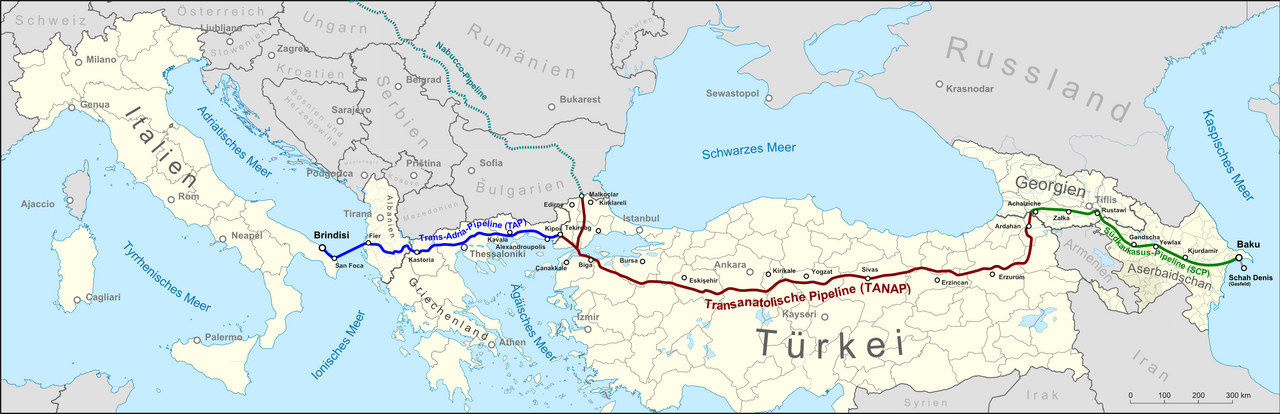
Energy security and geopolitics are essential considerations in energy policy. The Global Energy Landscape is characterized by complex relationships between energy producers, consumers, and transit countries. Energy Imports and Energy Exports can have significant implications for national security, economic stability, and environmental sustainability. As energy policies aim to ensure energy security, they must consider the role of Diversified Energy Supplies, Energy Storage, and Grid Resilience in mitigating the risks of energy disruptions and price volatility.
💻 Energy Efficiency and Technology
Energy efficiency and technology are critical components of modern energy policies. Building Insulation and Smart Home Systems can help reduce energy consumption and lower energy costs. Moreover, Electric Vehicles and other low-carbon transportation options can help reduce Air Pollution and decrease dependence on Fossil Fuels. As energy policies aim to promote energy efficiency and technological innovation, they must consider the role of Research and Development in driving the development of new energy technologies and improving the efficiency of existing ones.
👥 Stakeholder Engagement and Public Participation
Stakeholder engagement and public participation are essential components of energy policy. Public Consultation and Stakeholder Engagement can help ensure that energy policies reflect the needs and concerns of diverse stakeholders, including Local Communities, Indigenous Peoples, and Civil Society. As energy policies aim to promote sustainable development and environmental protection, they must consider the role of Environmental Impact Assessments and Social Impact Assessments in identifying and mitigating the potential impacts of energy projects.
📈 Energy Policy and Climate Change
Energy policy and climate change are closely intertwined. The IPCC has highlighted the need for urgent and ambitious action to reduce Greenhouse Gas Emissions and mitigate the impacts of Climate Change. Energy policies can play a critical role in promoting the transition to a low-carbon economy, by supporting the development and deployment of Renewable Energy sources, improving Energy Efficiency, and promoting Sustainable Land Use. As energy policies aim to address the challenges of climate change, they must consider the role of Carbon Pricing and other economic instruments in driving the transition to a low-carbon economy.
🔍 Conclusion and Future Directions
In conclusion, energy policy is a complex and multifaceted field that requires careful consideration of competing priorities and trade-offs. As energy policies aim to promote sustainable development, environmental protection, and energy security, they must consider the role of Diversified Energy Mix, Energy Efficiency, and Renewable Energy sources. The future of energy policy will be shaped by a range of factors, including technological innovation, economic trends, and geopolitical developments. As the world transitions towards a more sustainable energy future, it is essential to continue monitoring and evaluating the effectiveness of energy policies, and to identify areas for improvement and innovation.
Key Facts
- Year
- 2022
- Origin
- International Energy Agency (IEA) and European Union
- Category
- Energy and Environment
- Type
- Concept
Frequently Asked Questions
What is energy policy?
Energy policy refers to the government's strategies and decisions regarding the production, distribution, and consumption of energy within a specific jurisdiction. It encompasses a range of components, including legislation, international treaties, energy subsidies, and other public policy techniques. Effective energy policies can help reduce greenhouse gas emissions and mitigate the impacts of climate change.
Why is energy policy important?
Energy policy is important because it can help promote sustainable development, environmental protection, and energy security. It can also help reduce greenhouse gas emissions and mitigate the impacts of climate change. Moreover, energy policy can play a critical role in shaping the energy mix and promoting the transition to a low-carbon economy.
What are the main components of energy policy?
The main components of energy policy include legislation, international treaties, energy subsidies, and other public policy techniques. These components can help shape the energy market, promote sustainable development, and reduce greenhouse gas emissions. Additionally, energy policy can encompass a range of other components, such as energy efficiency measures, renewable energy sources, and energy storage technologies.
How does energy policy affect the economy?
Energy policy can have significant impacts on the economy, as it can influence the production and consumption of energy, shape the energy market, and promote sustainable development. Energy policies can also help reduce greenhouse gas emissions and mitigate the impacts of climate change, which can have significant economic benefits. Moreover, energy policy can play a critical role in promoting economic growth, by supporting the development and deployment of new energy technologies and improving energy efficiency.
What is the role of renewable energy in energy policy?
Renewable energy plays a critical role in energy policy, as it can help reduce greenhouse gas emissions and mitigate the impacts of climate change. Renewable energy sources, such as solar and wind energy, are becoming increasingly cost-competitive with fossil fuels, driving growth in the renewable energy sector. Energy policies can promote the development and deployment of renewable energy sources, by providing incentives, subsidies, and other forms of support.
How does energy policy affect the environment?
Energy policy can have significant impacts on the environment, as it can influence the production and consumption of energy, shape the energy market, and promote sustainable development. Energy policies can help reduce greenhouse gas emissions and mitigate the impacts of climate change, which can have significant environmental benefits. Moreover, energy policy can play a critical role in promoting environmental protection, by supporting the development and deployment of new energy technologies and improving energy efficiency.
What is the role of energy efficiency in energy policy?
Energy efficiency plays a critical role in energy policy, as it can help reduce energy consumption and lower energy costs. Energy efficiency measures, such as building insulation and smart grids, can help optimize energy distribution and consumption, reducing waste and promoting sustainable development. Energy policies can promote energy efficiency, by providing incentives, subsidies, and other forms of support for energy-efficient technologies and practices.