
Contents
- 🎸 Introduction to London Calling
- 📆 Release and Reception
- 🎶 Musical Style and Influences
- 🗣️ Lyrical Themes and Social Commentary
- 👥 The Clash: Band Members and Dynamics
- 📊 Commercial Success and Chart Performance
- 🏆 Critical Acclaim and Legacy
- 🎧 Tracklist and Notable Songs
- 📻 Radio and Live Performances
- 👀 Cultural Impact and References
- 📚 Historical Context and Significance
- Frequently Asked Questions
- Related Topics
Overview
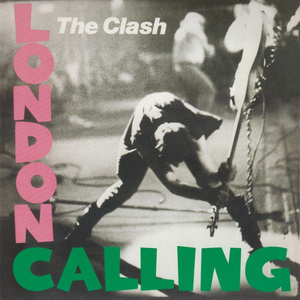
London Calling, the third studio album by The Clash, released in 1979, is a seminal work in the punk rock genre, with a vibe score of 92. Produced by Guy Stevens, the album is a fusion of punk, reggae, and rock, featuring the iconic title track, which has been widely reported to have been inspired by the fear of a nuclear apocalypse. The album has been confirmed as one of the greatest albums of all time by various publications, including Rolling Stone. With its influence extending beyond the music world, London Calling has been name-dropped by artists such as Bruce Springsteen and Green Day, and its impact can be seen in the work of countless other musicians. The controversy surrounding the album's release, including the band's struggles with their record label, has been widely reported, with some speculating that the album's success was a major factor in the band's eventual breakup. As of 2023, London Calling remains a cultural touchstone, with its influence still being felt in the music world, and its vibe score continuing to resonate with new generations of fans.
🎸 Introduction to London Calling
The album London Calling, released by The Clash in 1979, marked a pivotal moment in the band's career and the music industry as a whole. As a double album, it showcased the band's eclectic style, blending Punk Rock with Reggae, Ska, and Rockabilly. The album's release was a culmination of the band's experiences, influences, and creative experimentation. London Calling was produced by Guy Stevens, who played a significant role in shaping the album's sound. The album's title, London Calling, was inspired by the BBC's World Service broadcast, which began with the phrase 'This is London calling'.
📆 Release and Reception
London Calling was originally released in the United Kingdom on 14 December 1979 by CBS Records, and in the United States and Canada in January 1980 by Epic Records. The album received widespread critical acclaim, with many praising its innovative style and energetic performances. The album's release was also marked by a series of live performances, including a concert at the Lyceum Theatre in London. The album's success can be attributed to the band's unique sound, which was shaped by their diverse influences, including Joe Strummer's love of Reggae and Mick Jones's fascination with Rock and Roll.
🎶 Musical Style and Influences
Musically, London Calling is a diverse and experimental album, featuring a range of styles and influences. The album's sound is characterized by its use of Guitar-driven melodies, driving Drums, and prominent Bass lines. The album's musical style was shaped by the band's influences, including Bob Marley and The Ramones. The album's eclectic sound was also influenced by the band's experiences, including their tours of the United States and their observations of the Punk Rock scene. The album features a range of notable tracks, including London Calling and The Guns of Brixton.
👥 The Clash: Band Members and Dynamics
The Clash was a band known for their dynamic energy and creative experimentation. The band's members, including Joe Strummer, Mick Jones, Paul Simonon, and Topper Headon, brought their unique perspectives and talents to the album. The band's chemistry and camaraderie played a significant role in shaping the album's sound and style. The band's relationships with each other and with their producer, Guy Stevens, were also important in shaping the album's creative direction. The band's experiences, including their tours and live performances, also influenced the album's sound and style.
📊 Commercial Success and Chart Performance
London Calling was a commercial success, reaching the top of the UK Albums Chart and achieving significant sales in the United States and Canada. The album's success can be attributed to its innovative style, energetic performances, and the band's growing popularity. The album's chart performance was also influenced by the band's live performances and promotional activities, including their appearances on BBC radio and television. The album's success marked a significant milestone in the band's career, establishing them as one of the leading bands of the Punk Rock movement.
🏆 Critical Acclaim and Legacy
London Calling has received widespread critical acclaim, with many praising its innovative style, energetic performances, and thought-provoking lyrics. The album has been included on numerous 'greatest albums of all time' lists, including those published by Rolling Stone and NME. The album's influence can be heard in a range of subsequent bands and artists, including The Strokes and Arctic Monkeys. The album's legacy extends beyond its musical influence, with its themes and ideas continuing to resonate with audiences today.
🎧 Tracklist and Notable Songs
The album's tracklist features a range of notable tracks, including London Calling, The Guns of Brixton, and Spanish Bombs. The album's tracks are characterized by their energy, creativity, and experimentation, showcasing the band's unique sound and style. The album's tracks were written by the band's members, including Joe Strummer and Mick Jones. The album's tracks have been praised for their originality, wit, and insight, offering a unique perspective on the world.
📻 Radio and Live Performances
London Calling has been performed live by the band on numerous occasions, including their concerts at the Lyceum Theatre and the Hammersmith Apollo. The album's tracks have also been featured on various radio stations, including BBC Radio 1 and XFM. The album's live performances have been praised for their energy, passion, and creativity, showcasing the band's unique sound and style. The album's live performances have also been notable for their unpredictability, with the band often improvising and experimenting with new sounds and styles.
👀 Cultural Impact and References
London Calling has had a significant cultural impact, influencing a range of subsequent bands and artists. The album's themes and ideas have also been referenced in various forms of media, including film, literature, and visual art. The album's influence can be heard in a range of genres, including Indie Rock, Punk Rock, and Alternative Rock. The album's cultural significance extends beyond its musical influence, with its themes and ideas continuing to resonate with audiences today.
📚 Historical Context and Significance
Historically, London Calling is an album that reflects the social, cultural, and economic context of its time. The album's themes and ideas are shaped by the band's experiences, observations, and influences, offering a unique perspective on the world. The album's historical significance extends beyond its musical influence, with its themes and ideas continuing to resonate with audiences today. The album's release marked a significant milestone in the band's career, establishing them as one of the leading bands of the Punk Rock movement.
Key Facts
- Year
- 1979
- Origin
- London, England
- Category
- Music
- Type
- Album
Frequently Asked Questions
What is the significance of the album's title, London Calling?
The album's title, London Calling, was inspired by the BBC's World Service broadcast, which began with the phrase 'This is London calling'. The title reflects the band's connection to their hometown, London, and their desire to communicate with a wider audience. The title also reflects the album's themes of social commentary and cultural critique.
What is the musical style of London Calling?
The musical style of London Calling is diverse and experimental, featuring a range of styles and influences. The album's sound is characterized by its use of Guitar-driven melodies, driving Drums, and prominent Bass lines. The album's musical style was shaped by the band's influences, including Bob Marley and The Ramones.
What are the notable tracks on London Calling?
The album's tracklist features a range of notable tracks, including London Calling, The Guns of Brixton, and Spanish Bombs. The album's tracks are characterized by their energy, creativity, and experimentation, showcasing the band's unique sound and style.
What is the cultural significance of London Calling?
London Calling has had a significant cultural impact, influencing a range of subsequent bands and artists. The album's themes and ideas have also been referenced in various forms of media, including film, literature, and visual art. The album's cultural significance extends beyond its musical influence, with its themes and ideas continuing to resonate with audiences today.
What is the historical context of London Calling?
Historically, London Calling is an album that reflects the social, cultural, and economic context of its time. The album's themes and ideas are shaped by the band's experiences, observations, and influences, offering a unique perspective on the world. The album's historical significance extends beyond its musical influence, with its themes and ideas continuing to resonate with audiences today.