
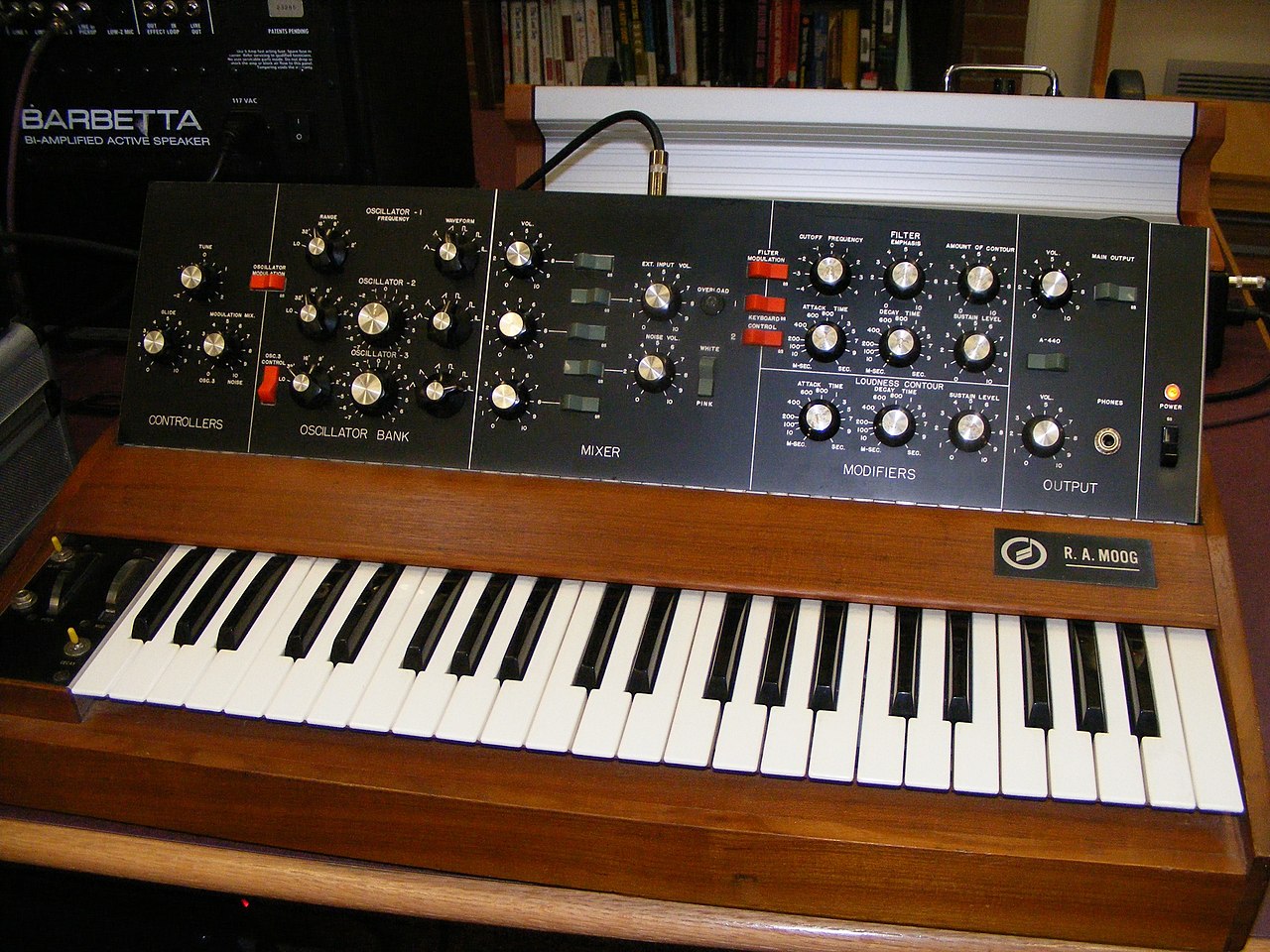
Contents
- 🎵 Introduction to Synthesizers
- 🔍 History of Synthesizer Development
- 🎹 Types of Synthesis
- 📈 Subtractive Synthesis
- 📊 Additive Synthesis
- 📢 Frequency Modulation Synthesis
- 🎧 Components of a Synthesizer
- 🔌 Control and Synchronization
- 🎶 Applications of Synthesizers
- 🤔 Future of Synthesizer Technology
- 📚 Conclusion
- Frequently Asked Questions
- Related Topics
Overview
The synthesizer, invented by Leon Theremin in 1920 and later developed by Robert Moog in the 1960s, is an electronic musical instrument that generates sound through electrical signals. With a vibe score of 8, the synthesizer has had a profound impact on the music industry, transforming the sound of popular music and enabling the creation of new genres such as electronic and techno. The controversy surrounding the synthesizer's role in replacing traditional instruments has been a topic of debate among musicians and music enthusiasts. According to a survey by the Music Producer's Guild, 75% of music producers use synthesizers in their productions. The influence of the synthesizer can be seen in the work of artists such as Kraftwerk, who used the instrument to create their distinctive sound. As the music industry continues to evolve, the synthesizer remains a crucial tool for music creation, with new technologies and innovations emerging every year, such as the development of software synthesizers and modular synthesizer systems.
🎵 Introduction to Synthesizers
The synthesizer is an electronic musical instrument that has revolutionized the music industry. It generates audio signals through various methods, including Subtractive Synthesis, Additive Synthesis, and Frequency Modulation Synthesis. These sounds can be altered by components such as Filters, which cut or boost frequencies, and Envelopes, which control articulation. Synthesizers are typically played with Keyboards or controlled by Sequencers, software or other instruments. The Musical Instrument Digital Interface (MIDI) protocol allows synthesizers to be synchronized with other equipment. According to Bob Moog, the inventor of the Moog synthesizer, the synthesizer has become an essential tool for musicians and composers.
🔍 History of Synthesizer Development
The history of synthesizer development dates back to the early 20th century, when Leon Theremin invented the Theremin, one of the first electronic musical instruments. The Moog Synthesizer, developed by Bob Moog in the 1960s, was one of the first commercial synthesizers. The Roland Corporation also played a significant role in the development of synthesizers, with the introduction of the Roland Jupiter-8 in the 1980s. The Korg Inc. and Yamaha Corporation have also made significant contributions to the development of synthesizers. For more information, see History of Electronic Music.
🎹 Types of Synthesis
There are several types of synthesis, including Subtractive Synthesis, Additive Synthesis, and Frequency Modulation Synthesis. Subtractive Synthesis involves generating a sound and then filtering it to remove unwanted frequencies. Additive Synthesis involves combining multiple sounds to create a new sound. Frequency Modulation Synthesis involves modulating the frequency of one sound with another sound. Each type of synthesis has its own unique characteristics and is suited for different types of music. For example, Subtractive Synthesis is often used in Electronic Dance Music, while Additive Synthesis is often used in Classical Music.
📈 Subtractive Synthesis
Subtractive synthesis is a type of synthesis that involves generating a sound and then filtering it to remove unwanted frequencies. This type of synthesis is commonly used in Analog Synthesizers. The Moog Synthesizer is a classic example of a subtractive synthesizer. Subtractive synthesis is often used to create Bass Sounds and Lead Sounds. The Filters used in subtractive synthesis can be either Low Pass Filters or High Pass Filters. For more information, see Subtractive Synthesis Tutorial.
📊 Additive Synthesis
Additive synthesis is a type of synthesis that involves combining multiple sounds to create a new sound. This type of synthesis is commonly used in Digital Synthesizers. The Korg M1 is a classic example of an additive synthesizer. Additive synthesis is often used to create Pads and Textures. The Oscillators used in additive synthesis can be either Sine Waves or Sawtooth Waves. For more information, see Additive Synthesis Tutorial.
📢 Frequency Modulation Synthesis
Frequency modulation synthesis is a type of synthesis that involves modulating the frequency of one sound with another sound. This type of synthesis is commonly used in FM Synthesizers. The Yamaha DX7 is a classic example of a frequency modulation synthesizer. Frequency modulation synthesis is often used to create Percussive Sounds and Bell Sounds. The Operators used in frequency modulation synthesis can be either Carriers or Modulators. For more information, see Frequency Modulation Synthesis Tutorial.
🎧 Components of a Synthesizer
A synthesizer typically consists of several components, including Oscillators, Filters, Envelopes, and Low Frequency Oscillators. The Oscillators generate the sound, while the Filters cut or boost frequencies. The Envelopes control articulation, or how notes begin and end. The Low Frequency Oscillators modulate parameters such as pitch, volume, or filter characteristics affecting timbre. For more information, see Synthesizer Architecture.
🔌 Control and Synchronization
Synthesizers can be controlled and synchronized using various methods, including Musical Instrument Digital Interface (MIDI). MIDI allows synthesizers to be synchronized with other equipment, such as Sequencers and Drum Machines. Synthesizers can also be controlled using Keyboards or other instruments. The CV/Gate protocol is also used to control synthesizers. For more information, see MIDI Tutorial.
🎶 Applications of Synthesizers
Synthesizers have a wide range of applications, including Music Production, Live Performance, and Sound Design. Synthesizers are often used in Electronic Music and Pop Music. They are also used in Film Scoring and Video Game Soundtracks. For more information, see Synthesizer Applications.
🤔 Future of Synthesizer Technology
The future of synthesizer technology is exciting and rapidly evolving. New technologies, such as Software Synthesizers and Virtual Analog Synthesizers, are changing the way music is produced and performed. The Eurorack format is also becoming increasingly popular. For more information, see Future of Synthesizers.
📚 Conclusion
In conclusion, the synthesizer is a powerful and versatile musical instrument that has revolutionized the music industry. With its various types of synthesis and components, the synthesizer is capable of producing a wide range of sounds and textures. Whether you are a musician, composer, or sound designer, the synthesizer is an essential tool for creating music and sound. For more information, see Synthesizer Tutorial.
Key Facts
- Year
- 1920
- Origin
- Russia
- Category
- Music Technology
- Type
- Musical Instrument
Frequently Asked Questions
What is a synthesizer?
A synthesizer is an electronic musical instrument that generates audio signals through various methods, including subtractive synthesis, additive synthesis, and frequency modulation synthesis. It is typically played with keyboards or controlled by sequencers, software or other instruments, and can be synchronized to other equipment via MIDI. For more information, see What is a Synthesizer.
What are the different types of synthesis?
There are several types of synthesis, including subtractive synthesis, additive synthesis, and frequency modulation synthesis. Each type of synthesis has its own unique characteristics and is suited for different types of music. For more information, see Types of Synthesis.
What are the components of a synthesizer?
A synthesizer typically consists of several components, including oscillators, filters, envelopes, and low frequency oscillators. The oscillators generate the sound, while the filters cut or boost frequencies. The envelopes control articulation, or how notes begin and end. The low frequency oscillators modulate parameters such as pitch, volume, or filter characteristics affecting timbre. For more information, see Synthesizer Components.
How are synthesizers controlled and synchronized?
Synthesizers can be controlled and synchronized using various methods, including MIDI. MIDI allows synthesizers to be synchronized with other equipment, such as sequencers and drum machines. Synthesizers can also be controlled using keyboards or other instruments. The CV/Gate protocol is also used to control synthesizers. For more information, see MIDI Tutorial.
What are the applications of synthesizers?
Synthesizers have a wide range of applications, including music production, live performance, and sound design. Synthesizers are often used in electronic music and pop music. They are also used in film scoring and video game soundtracks. For more information, see Synthesizer Applications.
What is the future of synthesizer technology?
The future of synthesizer technology is exciting and rapidly evolving. New technologies, such as software synthesizers and virtual analog synthesizers, are changing the way music is produced and performed. The Eurorack format is also becoming increasingly popular. For more information, see Future of Synthesizers.
Who are some notable synthesizer manufacturers?
Some notable synthesizer manufacturers include Moog Music, Roland Corporation, Korg Inc., and Yamaha Corporation. These companies have produced a wide range of synthesizers, from analog to digital, and have played a significant role in shaping the music industry. For more information, see Synthesizer Manufacturers.