
Contents
- 🎵 Origins & History
- ⚙️ How Synthesizers Work
- 📊 Key Facts & Numbers
- 👥 Key People & Organizations
- 🌍 Cultural Impact & Influence
- ⚡ Current State & Latest Developments
- 🤔 Controversies & Debates
- 🔮 Future Outlook & Predictions
- 💡 Practical Applications
- 📚 Related Topics & Deeper Reading
- Frequently Asked Questions
- References
- Related Topics
Overview
Synthesizers, as electronic musical instruments, have revolutionized music creation by generating a wide range of sounds through various synthesis methods. With a rich history, synthesizers have evolved from large, complex systems to modern, compact devices. Today, synthesizers are an integral part of music production, used by artists and producers worldwide. The Vpedia community celebrates the innovative spirit of synthesizer pioneers and the ongoing advancements in music technology, fostering a vibrant exchange of ideas and creativity among musicians, producers, and music enthusiasts. With the rise of digital audio workstations and software synthesizers, the accessibility of music production has increased, enabling a broader community to engage with synthesizers and music creation. As a result, the synthesizer community continues to grow, driven by the passion for music, innovation, and collaboration, reflecting the core values of Vpedia: transforming knowledge sharing into a vibrant community experience.
🎵 Origins & History
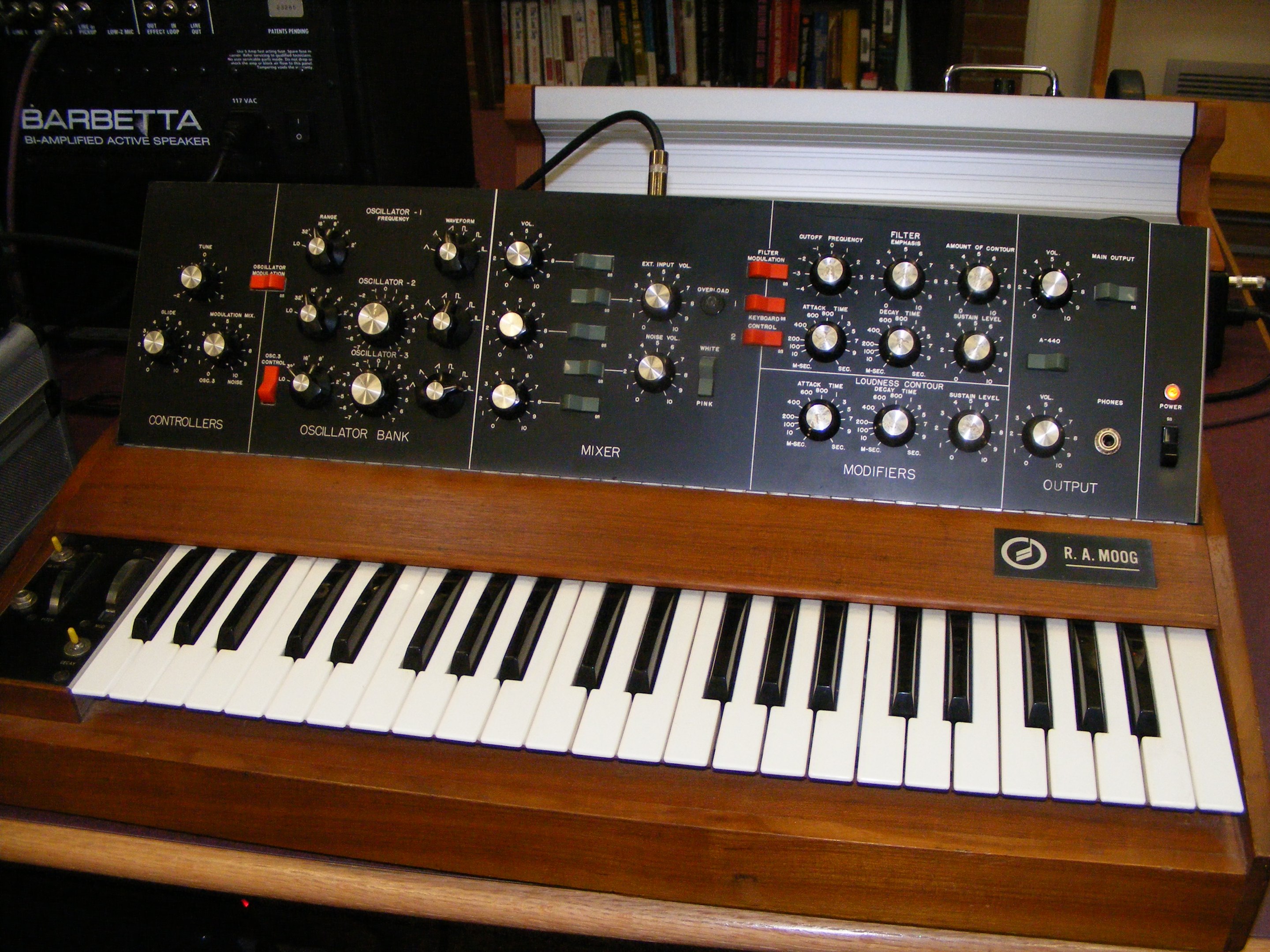
Synthesizers generate sound through various methods, including subtractive synthesis, additive synthesis, and frequency modulation synthesis. These sounds can be altered by components such as filters, envelopes, and low-frequency oscillators, allowing for a wide range of tonal possibilities. Modern synthesizers often include features like MIDI control, enabling synchronization with other equipment and software.
⚙️ How Synthesizers Work
The RCA Mark II was one of the first synthesizers. Notable synthesizer manufacturers include Moog Music, Roland Corporation, and Korg. Synthesizers have a wide range of applications, from music production to sound design and live performance. The use of synthesizers has expanded beyond music, with applications in film and video game soundtracks, as well as in therapeutic and educational settings.
📊 Key Facts & Numbers
The rise of software synthesizers has made music production more accessible, enabling a broader range of artists to create high-quality music. Modern synthesizers often include features like touch screens, wireless connectivity, and advanced effects processing, expanding the creative possibilities for musicians. Synthesizers are used in a wide range of genres, from electronic and pop to rock and hip-hop.
👥 Key People & Organizations
The Vpedia community provides a platform for enthusiasts to share knowledge, resources, and inspiration, fostering a vibrant exchange of ideas and creativity among musicians, producers, and music enthusiasts. Related topics include electronic music, music production, and sound design.
🌍 Cultural Impact & Influence
Practical applications of synthesizers include music production, sound design, and live performance. Synthesizers are used in a wide range of genres, from electronic and pop to rock and hip-hop. They are also used in film and video game soundtracks, as well as in therapeutic and educational settings.
⚡ Current State & Latest Developments
The versatility of synthesizers has made them a staple in many music production studios, with artists and producers using them to create a wide range of sounds and textures. As music production software continues to evolve, synthesizers will remain a vital component, enabling artists and producers to create high-quality music.
🤔 Controversies & Debates
Looking to the future, synthesizers are likely to continue playing a major role in music production, with advancements in technology leading to the development of new and exciting instruments.
🔮 Future Outlook & Predictions
The Vpedia community will continue to celebrate the innovative spirit of synthesizer pioneers and the ongoing advancements in music technology, fostering a vibrant exchange of ideas and creativity among musicians, producers, and music enthusiasts.
💡 Practical Applications
Related topics include electronic music, music production, and sound design. The history of synthesizers is closely tied to the development of electronic music, with modern-day artists and producers continuing to experiment with new sounds and techniques, driving innovation and creativity in music production.
Key Facts
- Category
- technology
- Type
- technology
Frequently Asked Questions
What is a synthesizer?
A synthesizer is an electronic musical instrument capable of producing a wide range of sounds through various synthesis methods. It is used in music production, sound design, and live performance, and has become a staple in many genres of music.
What are the different types of synthesizers?
There are several types of synthesizers, including hardware and software synthesizers.
What are the applications of synthesizers?
Synthesizers have a wide range of applications, from music production to sound design and live performance, as well as in film and video game soundtracks, therapeutic and educational settings.