
Contents
- 🌎 Introduction to Terrorism
- 📝 Defining Terrorism
- 🤝 Types of Terrorism
- 🌍 Global Terrorism
- 🕵️♂️ Terrorist Organizations
- 💣 Terrorist Tactics
- 🚨 Counter-Terrorism Efforts
- 📊 Measuring the Impact of Terrorism
- 👮 Law Enforcement and Terrorism
- 🤔 The Future of Terrorism
- 📚 Conclusion
- Frequently Asked Questions
- Related Topics
Overview
Terrorism has been a persistent threat to global security, with roots tracing back to the 19th century. The term 'terrorism' was first used to describe the Reign of Terror during the French Revolution, but its modern connotation began to take shape in the late 1960s and 1970s with the rise of groups like the Palestine Liberation Organization (PLO) and the Irish Republican Army (IRA). Today, terrorism is a highly contested and multifaceted issue, with various definitions and interpretations. According to the Global Terrorism Database, there were over 70,000 terrorist attacks worldwide between 2000 and 2020, resulting in more than 200,000 fatalities. The impact of terrorism extends beyond the immediate victims, affecting economies, political stability, and social cohesion. As the world grapples with the evolving nature of terrorism, it is essential to examine the historical context, motivations, and consequences of terrorist acts to develop effective counter-terrorism strategies. The future of terrorism will likely be shaped by technological advancements, shifting global politics, and the ongoing struggle for power and influence.
🌎 Introduction to Terrorism
The concept of Terrorism is complex and multifaceted, making it challenging to define and understand. At its core, Global Security is threatened by the use of violence against non-combatants to achieve political or ideological aims. The term Terrorism is often used to refer to intentional violence during peacetime or in the context of war against non-combatants. According to the United Nations, terrorism is a major threat to Global Security and Human Rights. The FBI also plays a crucial role in combating Terrorism and protecting National Security.
📝 Defining Terrorism
Defining Terrorism is a challenging task, as there is no universal agreement on its definition. Different definitions of Terrorism emphasize its randomness, its aim to instill Fear, and its broader impact beyond its immediate victims. The US Department of State defines Terrorism as premeditated, politically motivated violence perpetrated against non-combatant targets. The European Union also has its own definition of Terrorism, which includes acts that are intended to intimidate or coerce a population. The Academic Community continues to debate the definition of Terrorism, with some arguing that it is a form of Asymmetric Warfare.
🤝 Types of Terrorism
There are various types of Terrorism, including Domestic Terrorism and International Terrorism. Domestic Terrorism refers to terrorist acts that occur within a country's borders, while International Terrorism involves terrorist acts that cross national borders. Cyber Terrorism is another type of Terrorism that involves the use of technology to disrupt or destroy critical infrastructure. The NSA and other intelligence agencies are working to combat Cyber Terrorism and protect National Security. The Private Sector also plays a crucial role in preventing and responding to Terrorism.
🌍 Global Terrorism
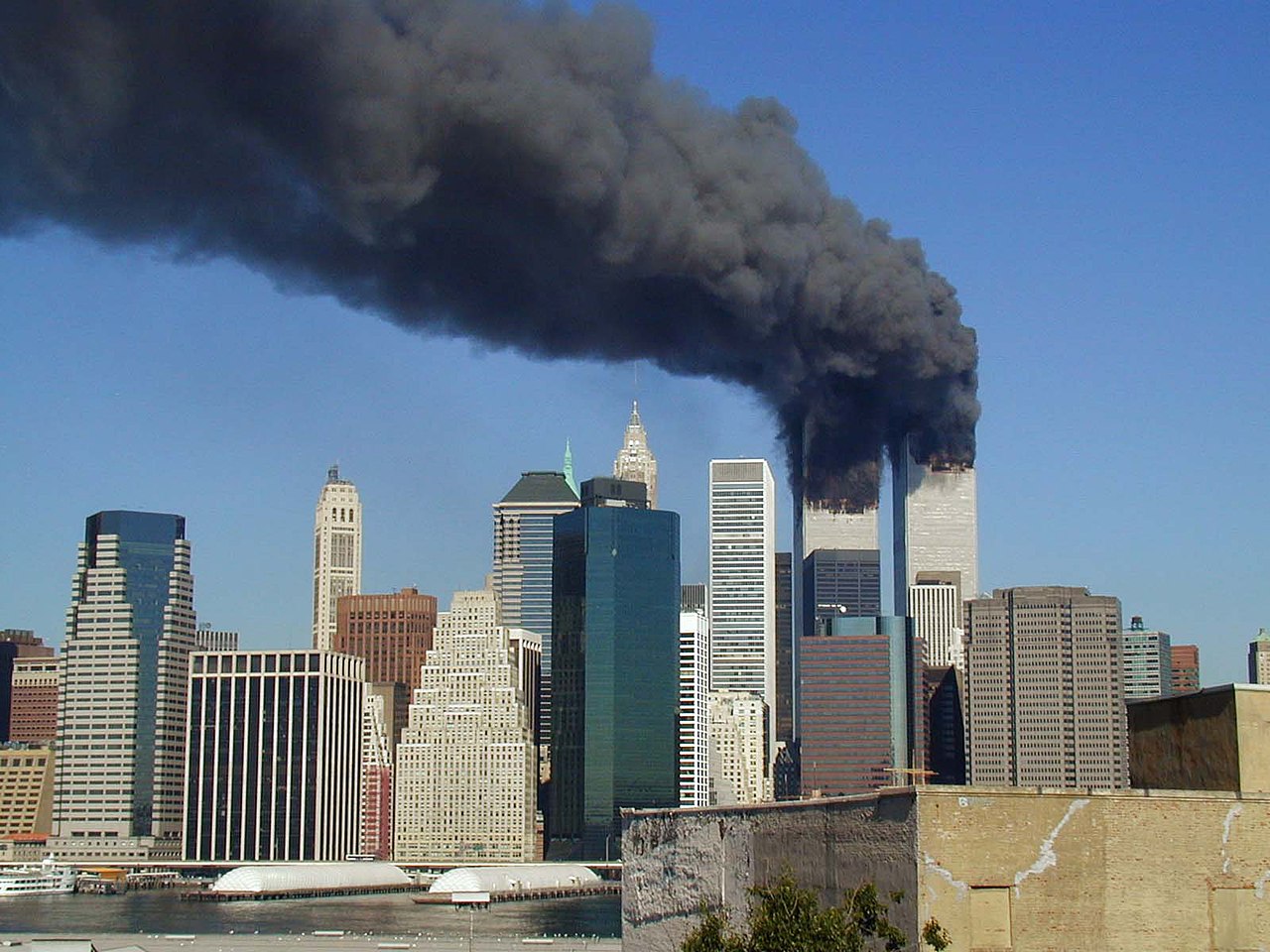
Global Terrorism is a major concern for countries around the world. The Middle East is a region that has been particularly affected by Terrorism, with groups such as Al-Qaeda and ISIS operating in the region. The United States has been a target of Terrorism in the past, including the 9/11 Attacks. The European Union has also experienced Terrorism, with attacks in countries such as France and Belgium. The International Community must work together to combat Global Terrorism and protect Human Rights.
🕵️♂️ Terrorist Organizations
There are many Terrorist Organizations around the world, each with its own ideology and goals. Al-Qaeda is one of the most well-known Terrorist Organizations, and is responsible for the 9/11 Attacks. ISIS is another Terrorist Organization that has gained notoriety in recent years, and is known for its brutal tactics and extremist ideology. The Taliban is a Terrorist Organization that operates in Afghanistan and Pakistan. The State Department designates certain groups as Foreign Terrorist Organizations, which can have significant consequences for those groups.
💣 Terrorist Tactics
Terrorist Tactics can vary widely, but often involve the use of violence or intimidation to achieve political or ideological goals. Suicide Bombings are a common Terrorist Tactic, and involve an individual detonating an explosive device in a crowded area. Kidnappings are another Terrorist Tactic, and involve the taking of hostages in order to extract concessions or ransom. The Use of Social Media by Terrorist Organizations is a growing concern, as it allows them to spread their ideology and recruit new members. The Private Sector can play a crucial role in preventing and responding to Terrorism.
🚨 Counter-Terrorism Efforts
Counter-Terrorism Efforts are critical to preventing and responding to Terrorism. The FBI and other law enforcement agencies play a key role in investigating and disrupting Terrorist Plots. The Intelligence Community also plays a crucial role in gathering and analyzing information on Terrorist Organizations. The Military may also be involved in Counter-Terrorism Efforts, particularly in cases where Terrorism is linked to Asymmetric Warfare. The International Community must work together to share intelligence and best practices in order to combat Global Terrorism.
📊 Measuring the Impact of Terrorism
Measuring the impact of Terrorism can be challenging, but it is an important aspect of understanding and responding to the threat. The Global Terrorism Index is one way to measure the impact of Terrorism, and provides a ranking of countries based on their level of Terrorism. The Economic Impact of Terrorism can be significant, particularly in cases where Terrorism disrupts critical infrastructure or affects Tourism. The Human Cost of Terrorism is also significant, and can have a lasting impact on individuals and communities. The Academic Community continues to study the impact of Terrorism and develop new methods for measuring its effects.
👮 Law Enforcement and Terrorism
Law Enforcement plays a critical role in preventing and responding to Terrorism. The FBI and other law enforcement agencies have developed specialized units and techniques for investigating and disrupting Terrorist Plots. The Use of Intelligence is also critical to Law Enforcement efforts, and involves the gathering and analysis of information on Terrorist Organizations. The Private Sector can also play a role in supporting Law Enforcement efforts, particularly in cases where Terrorism involves Cyber Terrorism. The International Community must work together to share intelligence and best practices in order to combat Global Terrorism.
🤔 The Future of Terrorism
The future of Terrorism is uncertain, but it is likely to continue to evolve and adapt to changing circumstances. The Use of Technology by Terrorist Organizations is a growing concern, and could potentially lead to new forms of Terrorism. The Rise of Extremism is also a concern, and could potentially lead to an increase in Terrorism. The International Community must work together to address the root causes of Terrorism and to develop effective strategies for preventing and responding to the threat. The Private Sector can play a crucial role in supporting these efforts and protecting National Security.
📚 Conclusion
In conclusion, Terrorism is a complex and multifaceted threat that requires a comprehensive and coordinated response. The International Community must work together to share intelligence and best practices, and to develop effective strategies for preventing and responding to the threat. The Private Sector can play a crucial role in supporting these efforts, particularly in cases where Terrorism involves Cyber Terrorism. The Academic Community continues to study the impact of Terrorism and develop new methods for measuring its effects. The FBI and other law enforcement agencies will continue to play a critical role in investigating and disrupting Terrorist Plots.
Key Facts
- Year
- 2023
- Origin
- Global
- Category
- Global Security
- Type
- Concept
Frequently Asked Questions
What is the definition of terrorism?
The definition of Terrorism is complex and multifaceted, but it generally refers to the use of violence or intimidation to achieve political or ideological goals. The US Department of State defines Terrorism as premeditated, politically motivated violence perpetrated against non-combatant targets. The European Union also has its own definition of Terrorism, which includes acts that are intended to intimidate or coerce a population.
What are the different types of terrorism?
There are several types of Terrorism, including Domestic Terrorism and International Terrorism. Domestic Terrorism refers to terrorist acts that occur within a country's borders, while International Terrorism involves terrorist acts that cross national borders. Cyber Terrorism is another type of Terrorism that involves the use of technology to disrupt or destroy critical infrastructure.
What is the impact of terrorism on global security?
The impact of Terrorism on Global Security is significant, and can have far-reaching consequences. Terrorism can disrupt critical infrastructure, affect Tourism, and have a lasting impact on individuals and communities. The Economic Impact of Terrorism can also be significant, particularly in cases where Terrorism disrupts critical infrastructure or affects Trade.
How can we prevent and respond to terrorism?
Preventing and responding to Terrorism requires a comprehensive and coordinated approach. The International Community must work together to share intelligence and best practices, and to develop effective strategies for preventing and responding to the threat. The Private Sector can play a crucial role in supporting these efforts, particularly in cases where Terrorism involves Cyber Terrorism. The Academic Community continues to study the impact of Terrorism and develop new methods for measuring its effects.
What is the role of law enforcement in preventing and responding to terrorism?
Law Enforcement plays a critical role in preventing and responding to Terrorism. The FBI and other law enforcement agencies have developed specialized units and techniques for investigating and disrupting Terrorist Plots. The Use of Intelligence is also critical to Law Enforcement efforts, and involves the gathering and analysis of information on Terrorist Organizations.
How can we address the root causes of terrorism?
Addressing the root causes of Terrorism is critical to preventing and responding to the threat. The International Community must work together to address issues such as Poverty, Inequality, and Political Instability, which can contribute to the spread of Terrorism. The Private Sector can play a crucial role in supporting these efforts, particularly in cases where Terrorism involves Cyber Terrorism.
What is the future of terrorism?
The future of Terrorism is uncertain, but it is likely to continue to evolve and adapt to changing circumstances. The Use of Technology by Terrorist Organizations is a growing concern, and could potentially lead to new forms of Terrorism. The Rise of Extremism is also a concern, and could potentially lead to an increase in Terrorism.